Guided by Respected Maraja
Give Qurbani
Qurbani is an act of worship during Eid al-Adha that honours the devotion of Prophet Ibrahim (AS). Your Qurbani provides essential nourishment to families in need during the days of Eid and beyond.
Give Qurbani Now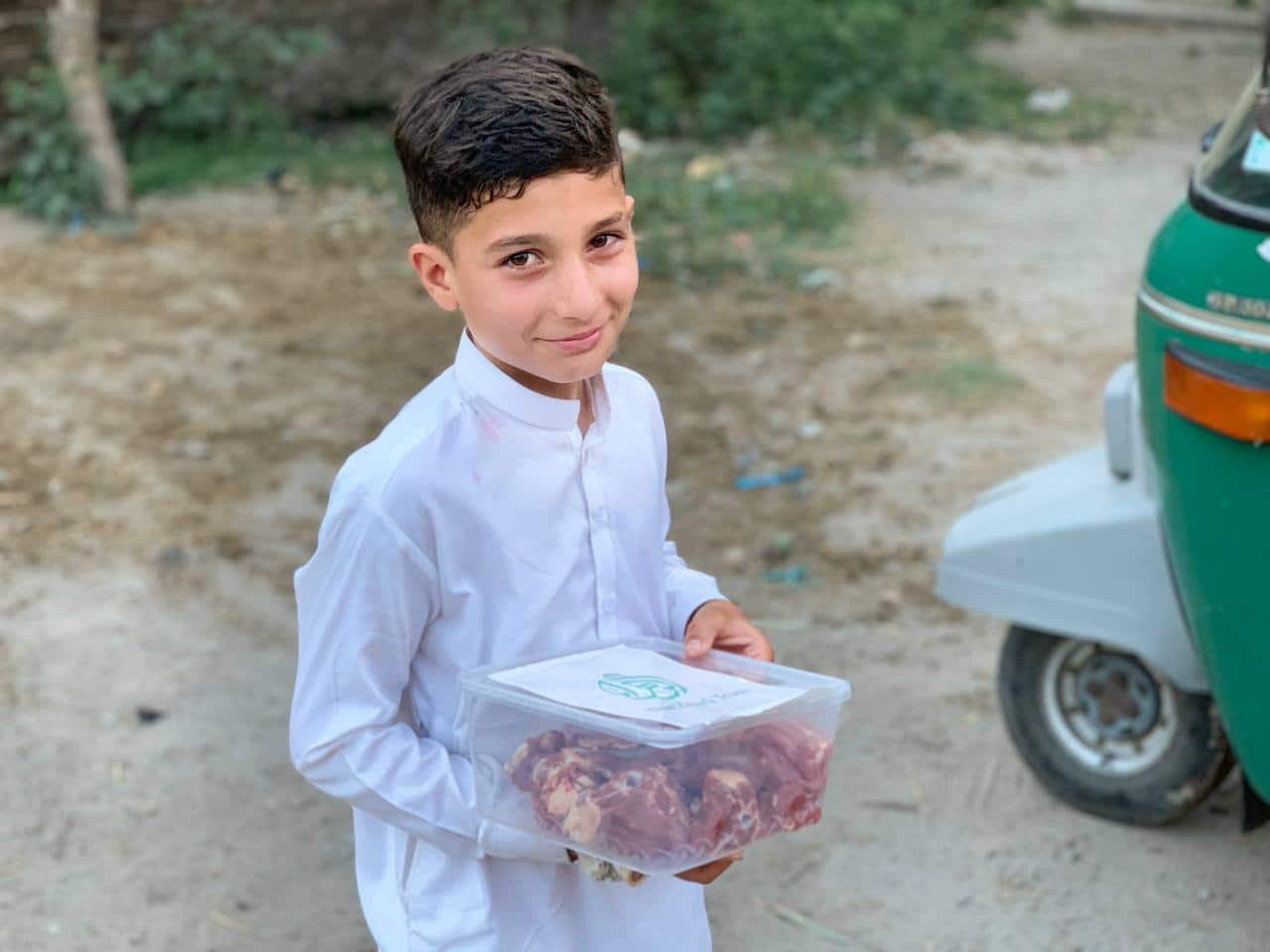 Eid al-Adha · Qurbani
“One Qurbani. One lasting impact.”
— Feeding families through Eid and beyondChoose your Qurbani
One Qurbani. One lasting impact.
Your Qurbani can help families meet urgent needs – providing essential nourishment during the days of Eid and beyond.





A sacred act of worship
What is Qurbani?
Qurbani means sacrifice – the offering of livestock as an act of worship during Eid al-Adha.
It commemorates the devotion and obedience of Prophet Ibrahim (AS), who was willing to sacrifice for the sake of Allah (SWT). Through Qurbani, we honour this legacy while providing essential support to families in need.
At The Zahra Trust, we coordinate with trusted local teams to carry out your Qurbani in full accordance with Shariah.
“Never will the animals’ flesh or their blood reach Allāh; however, what reaches Him from you is piety.”Qur’an 22:37
Your Qurbani’s reach
How many people your Qurbani feeds
The number of people supported depends on the type of animal.
“The Zahra Trust has a dedicated and energetic team — transparent, strategic, proactive.”
Verified Donor · Birmingham, UK“Reaches some of the most vulnerable communities with honesty and transparency.”
Verified Donor · Melbourne, AU“I fully trust that donations go to the right place and the right people.”
Verified Donor · Dubai, UAESee your Qurbani reach families
Watch how The Zahra Trust delivers Qurbani to communities in need.
Frequently Asked Questions
Answers to common questions about giving Qurbani with The Zahra Trust.
When is Eid al-Adha 2026?
Eid al-Adha is estimated to fall on 27 May 2026, depending on the sighting of the moon.
When is Qurbani due?
Qurbani is performed after the Eid prayer on the first day of Eid al-Adha and can be carried out until the 13th of Dhul Hijjah.
Who should give Qurbani?
Qurbani is obligatory for those performing Hajj and carries great reward for those who are able to give, even if they are not on pilgrimage.
How does Qurbani work at The Zahra Trust?
At The Zahra Trust, we take orders through our website or email and coordinate with trusted local teams to carry out your Qurbani in full accordance with Shariah.
Why do Qurbani prices vary each year?
Qurbani prices are carefully set based on real-time market conditions in each country of delivery. Factors such as currency fluctuations, rising livestock costs, transportation, and local economic changes all impact pricing.
We work closely with trusted local partners to ensure that every contribution is used efficiently and responsibly. This means your Qurbani not only fulfils your religious obligation but also reaches as many families as possible – maximising impact and delivering essential nourishment where it is needed most.
How many people does a Qurbani feed?
The number of people supported depends on the type of animal:
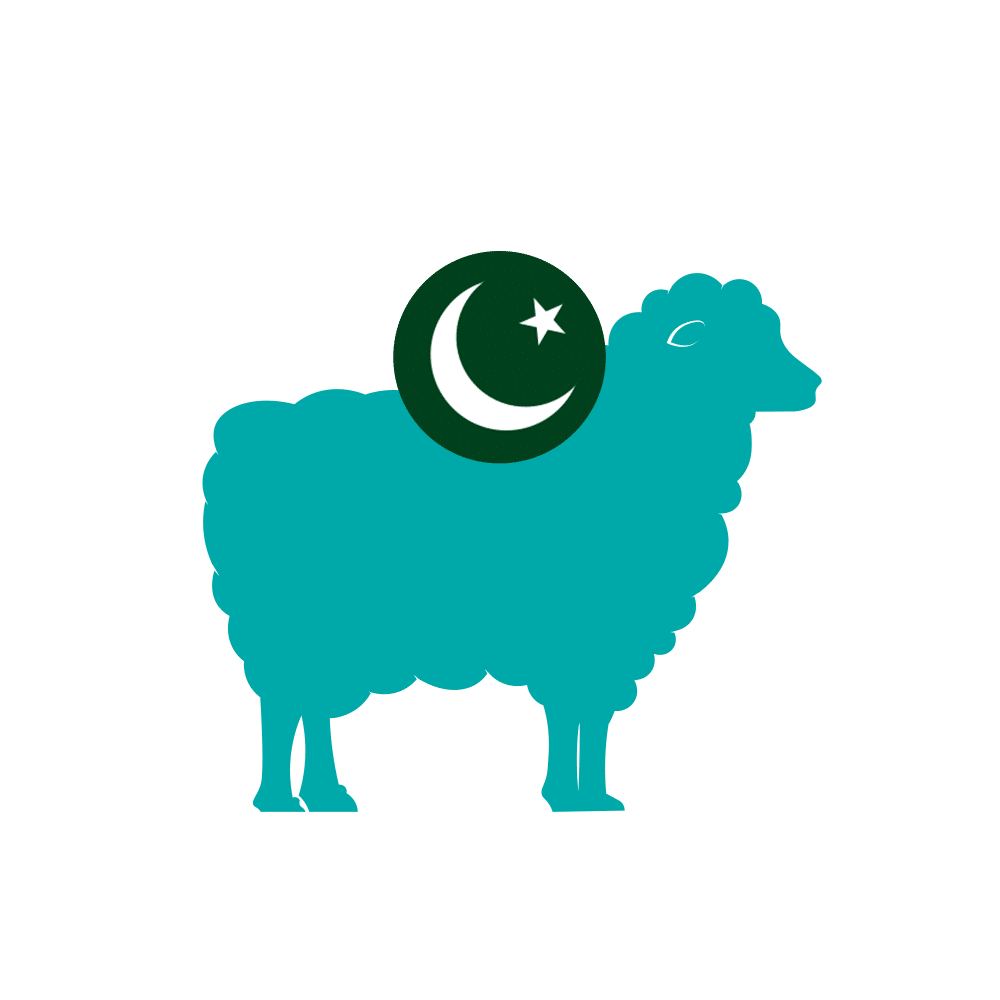
- Sheep: approximately 9 families (45 people)
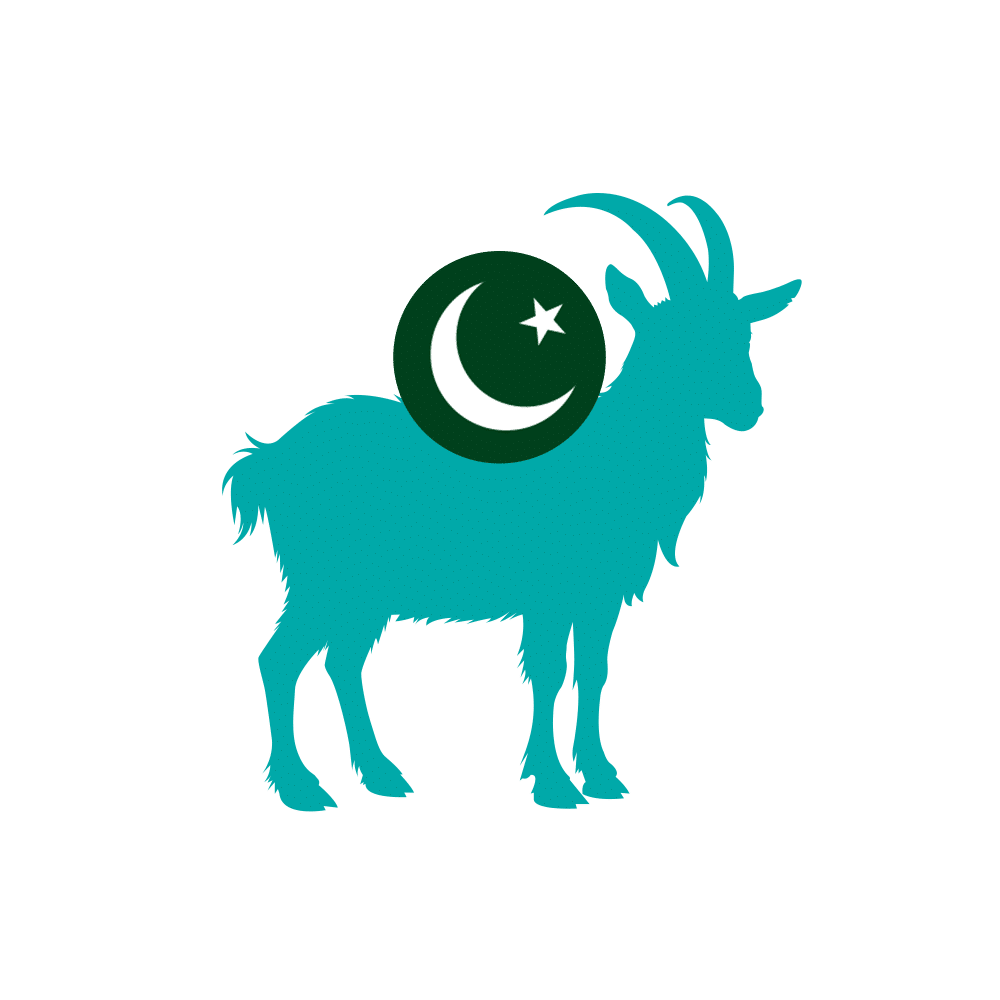
- Goat: approximately 8 families (40 people)
- Cow: approximately 90 families (around 450 people)
- Chicken: approximately 1 family (5 people)
More ways to give
Explore our causes
Every cause is delivered with care and managed in line with Islamic principles.