
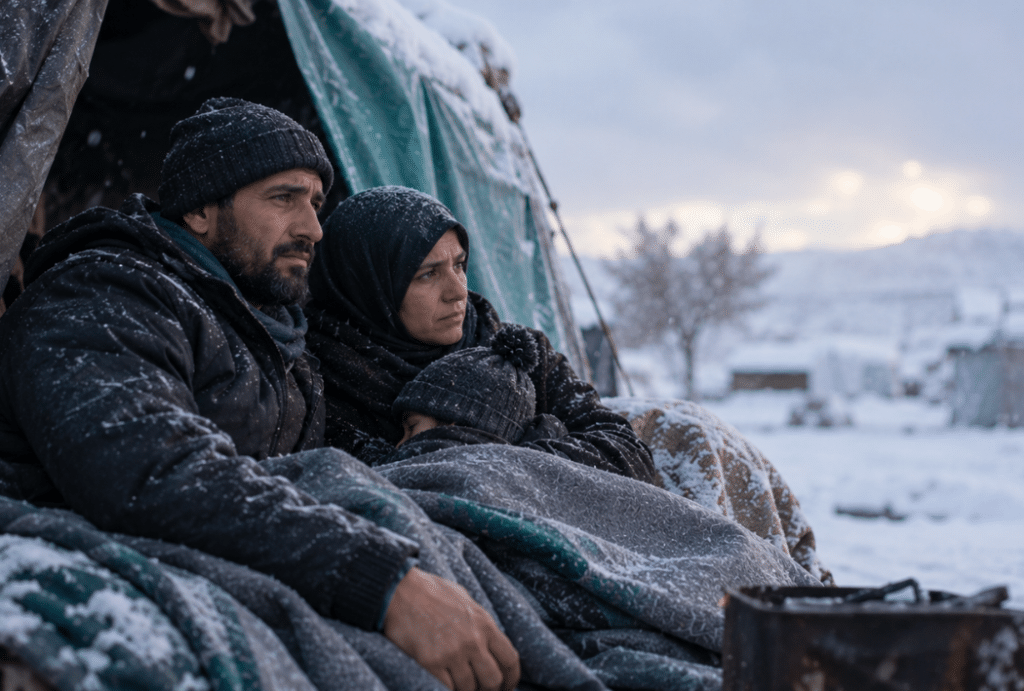
For many of us, winter means shorter days, colder mornings and reaching for a warmer coat.
But for families already living through poverty, displacement or a humanitarian crisis, winter can make ordinary parts of daily life much harder.
A home that was already difficult to heat becomes colder. A journey to school or work becomes more difficult. Buying food, fuel or warm clothing becomes another financial decision. Even accessing clean water or keeping children healthy can become more challenging.
Winter does not create every hardship. But it can make existing hardship much harder to manage.
Here are seven everyday things that can become significantly more difficult when the temperature drops.
1. Staying Warm at Home
For a family with reliable heating, staying warm may simply mean turning up the thermostat.
For families without reliable heating, adequate insulation or enough fuel, it can be a much bigger challenge.
In humanitarian settings, people may be living in temporary shelters, damaged homes or overcrowded accommodation that offers little protection from cold, wind and rain. When household finances are already stretched, paying for heating fuel or repairing a damaged home may be out of reach.
This can force families to make difficult choices between warmth and other essentials.
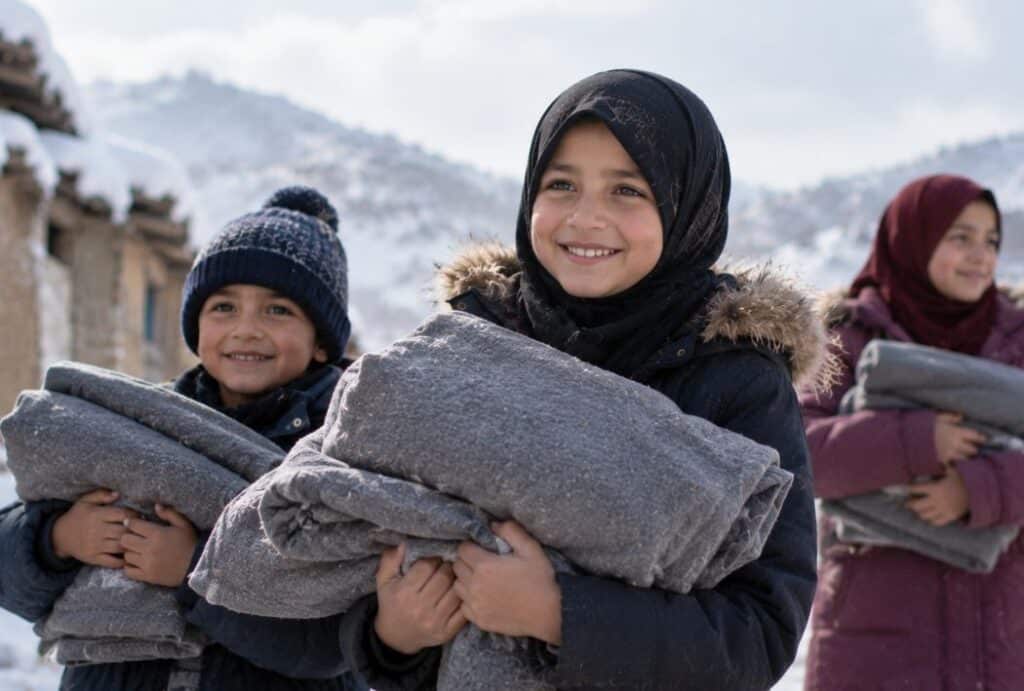
Winter support such as blankets, warm clothing, heating fuel and cash assistance can therefore be about much more than comfort. It can help families protect their health and maintain a safer living environment.
2. Cooking and Putting Food on the Table
Cold weather can make the cost of meeting basic needs even harder to manage.
Families may need additional fuel to heat their homes and cook hot meals at the same time. For households already struggling with food insecurity or reduced income, those extra costs can quickly add up.
In some humanitarian settings, disruption to markets, transportation or livelihoods can make food harder to access as well.
A hot meal can provide warmth, nourishment and comfort. But having the fuel, food and safe space needed to prepare one cannot always be taken for granted.
Winter assistance that includes food support can help families meet an essential need while reducing some of the pressure created by the season.
3. Getting Around Safely
A journey that takes twenty minutes in mild weather can become much more difficult in winter.
Snow, ice, heavy rain and poor road conditions can make travel slower and less safe. For people living in remote or mountainous areas, the difficulties can be even greater.
This can affect access to schools, healthcare, markets, work and humanitarian services.
For families already facing displacement or limited transportation options, winter weather can make isolation worse.
When people cannot easily move around, it is not just convenience that is affected. Their ability to access essential services and opportunities can be affected too.
4. Accessing Water and Keeping Clean
Clean water remains essential in every season, but winter can create additional barriers to accessing it.
In colder environments, freezing temperatures can affect water sources and infrastructure. Heavy rain, flooding or damaged systems can also make safe water and sanitation harder to maintain.
For families living in temporary or overcrowded shelters, maintaining hygiene can be particularly difficult when facilities are limited.
This matters because safe water, sanitation and hygiene play a major role in preventing illness.
What might seem like a simple daily task—collecting water, washing hands or keeping a living space clean—can become considerably harder when services are disrupted or the weather is severe.
5. Staying Healthy
Cold weather can place additional pressure on people who are already vulnerable.
Children, older people and those living with poor nutrition or existing health problems can be particularly exposed when temperatures fall.
Damp and cold living conditions can also increase the risk of respiratory illness and other health problems. When healthcare services are already stretched or difficult to reach, getting treatment can become another challenge.
This is why winter humanitarian responses often focus on prevention as well as immediate relief.
Warm clothing, blankets, heating support, safe shelter, food and access to healthcare can all help reduce the risks that become more serious during the colder months.
6. Going to School or Work
Winter can interrupt education and livelihoods in ways that are easy to overlook.
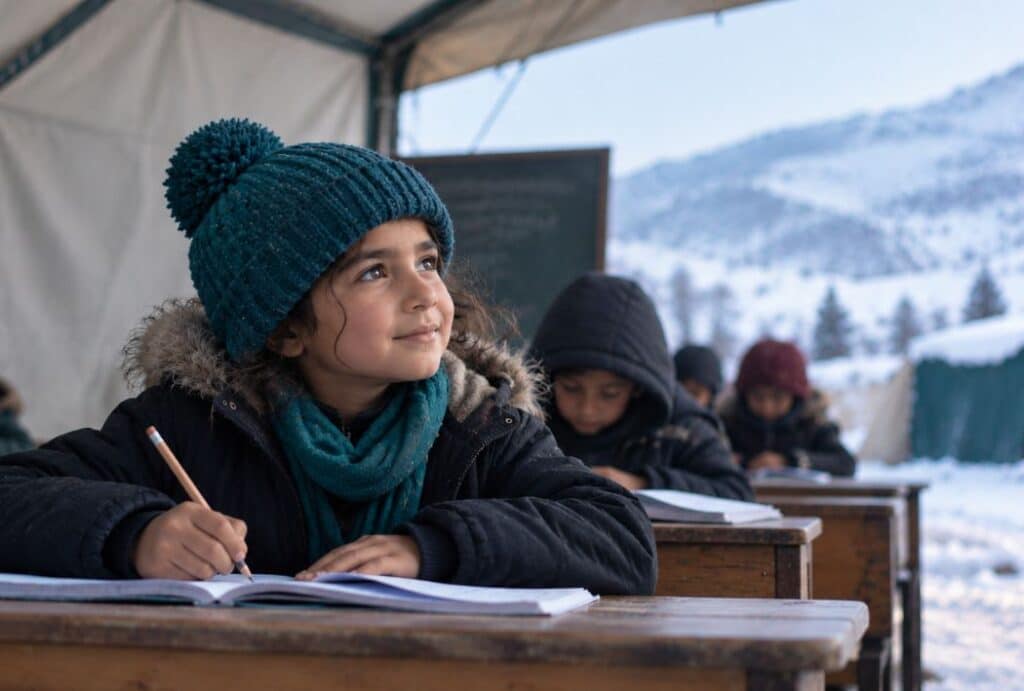
For children, cold classrooms, unsafe roads, damaged schools or a lack of heating can make attending school difficult. In humanitarian emergencies, schools may already be closed, damaged or being used as shelters, and winter can add another layer of disruption.
Adults can face similar challenges when travelling to work or earning an income outdoors.
When work stops or school attendance falls, the effects can continue beyond winter. Lost income can make it harder to afford essentials, while interrupted education can affect children’s learning and future opportunities.
Keeping schools, workplaces and essential services functioning during winter can therefore be an important part of protecting longer-term wellbeing.
7. Feeling Safe and Secure
Perhaps one of the biggest differences winter can make is to the feeling of safety at home.
A home should offer protection from the elements. But for someone living in a damaged building, temporary shelter or overcrowded accommodation, cold weather can make that sense of security much harder to maintain.
Heavy rain can cause flooding. Strong winds can damage fragile shelters. Cold temperatures can make already difficult living conditions dangerous.
For displaced families, winter can also bring back the reality that they are living without the stability of a permanent home.
Providing shelter materials, blankets, heating support and other winter essentials can help restore some of that security.
Winter Does Not Affect Everyone Equally
Winter is a shared season, but its impact is not shared equally.
For a household with secure housing, heating, reliable transportation and enough income, cold weather may simply mean higher energy bills and a few uncomfortable mornings.
For a family already experiencing poverty or displacement, the same drop in temperature can affect food, health, education, mobility and safety all at once.
That is why winter relief matters.
Humanitarian winter support is not simply about helping people feel warmer. It is about helping families protect their health, maintain dignity and continue meeting their everyday needs when the season makes everything harder.
A Qur’an Reminder
Allah (swt) reminds us of the importance of giving to those in need:
“And they give food in spite of love for it to the needy, the orphan and the captive, [saying], ‘We only feed you for the countenance of Allah. We wish not from you reward or thanks.’” (Qur’an 76:8–9)
Winter can remind us how much we rely on things that are easy to take for granted: a warm home, a hot meal, clean water, safe transport and somewhere secure to sleep.
For families without those things, a helping hand can make a meaningful difference.
How You Can Help
Winter hardship can affect every part of daily life, but timely support can help families prepare for the coldest months and cope with the challenges they bring.
Your support can help provide practical assistance when it is needed most.
Frequently Asked Questions
Why is winter harder for families living in poverty?
Families living in poverty may have limited access to heating, warm clothing, nutritious food, safe housing and reliable transportation. When winter arrives, the cost and difficulty of meeting these basic needs can increase.
How does winter affect displaced families?
Displaced families may be living in temporary shelters or damaged homes that offer limited protection from cold, rain and wind. Winter can make these conditions more difficult and increase the need for heating, blankets, warm clothing and safe shelter.
What is winter humanitarian aid?
Winter humanitarian aid provides practical support to people facing increased risks during cold weather. This can include blankets, warm clothing, heating fuel, food assistance, shelter support and other essential items.
Why is winter aid important for children?
Cold and unstable living conditions can affect children’s health, education, safety and wellbeing. Winter support can help families create warmer and safer conditions for children.
How can I help families affected by winter hardship?
You can support winter relief programmes that provide vulnerable families with essential items and assistance during the colder months. Even practical support can help protect health, dignity and safety.
More from Blog
What Prolonged Hardship Can Take Away From a Child
Discover how prolonged hardship can affect a child's routine, education, safety and sense of stability, and why protecting childhood matters in humanitarian…
What Your Support Made Possible Last Winter
Learn how your support helped 27,800 people through winter in 2025, with 123,000 meals and winter essentials provided to vulnerable communities.
Before the Year Ends: Reflecting on the Impact We Choose to Leave Behind
As the year comes to an end, take a moment to reflect on gratitude, intentional giving and the lasting impact we can…