
As another year comes to an end, life can feel particularly busy.
There are plans to make, celebrations to prepare for and another year to look back on. But somewhere between everything we have done and everything still left to do, the end of the year also gives us an opportunity to pause.
What are we grateful for?
What have we learned?
And perhaps most importantly, what impact do we want to leave behind?
For many of us, this reflection naturally brings us back to how we spend our time, our resources and our generosity.
Giving is not only something we do when there is an immediate need in front of us. It can be an intentional choice to help create something better for someone else, whether that means meeting an urgent need today or helping build a more secure future tomorrow.
Why Does the End of the Year Make Us Reflect?
There is something natural about reaching the end of a year and looking back.
We remember the people who supported us, the moments that challenged us and the blessings we may have overlooked while moving through everyday life.
That reflection can also change how we think about giving.
Instead of asking only, “What can I give?”, we can ask:
“What difference could my giving make?”
This small shift matters.
It moves giving away from simply completing a donation and towards thinking intentionally about the person, family or community on the other side of it.
Giving With Intention
Islam encourages us to give generously, but charity is also deeply connected to intention.
A donation may meet an urgent need. It may provide food, warmth or clean water. It may also contribute to something that takes longer to build, such as a home, an education or a sustainable source of support.
The value of giving is not only in the amount.
It is also in the purpose behind it.
Intentional giving means thinking about the kind of impact we want to help create and choosing to give in a way that reflects our values.
Sometimes that means responding to an immediate crisis.
Sometimes it means helping address the conditions that allow hardship to continue.
And sometimes, it means both.
The Impact We Choose to Leave Behind
When we think about our own year, we often measure it through milestones.
What did we achieve? What changed? What did we manage to accomplish?
But there is another way to measure a year.
Who was helped because we chose to act?
A family may have had food when they needed it.
Someone may have stayed warm through a difficult winter.
A child may have had access to education.
A family may have moved closer to having safe and secure housing.
A community may have gained better access to clean water.
These changes may not always be visible to the person giving. But they can become part of a much bigger story of change.
From Immediate Relief to Lasting Change
Humanitarian support is often associated with responding to an immediate crisis.
That response is essential.
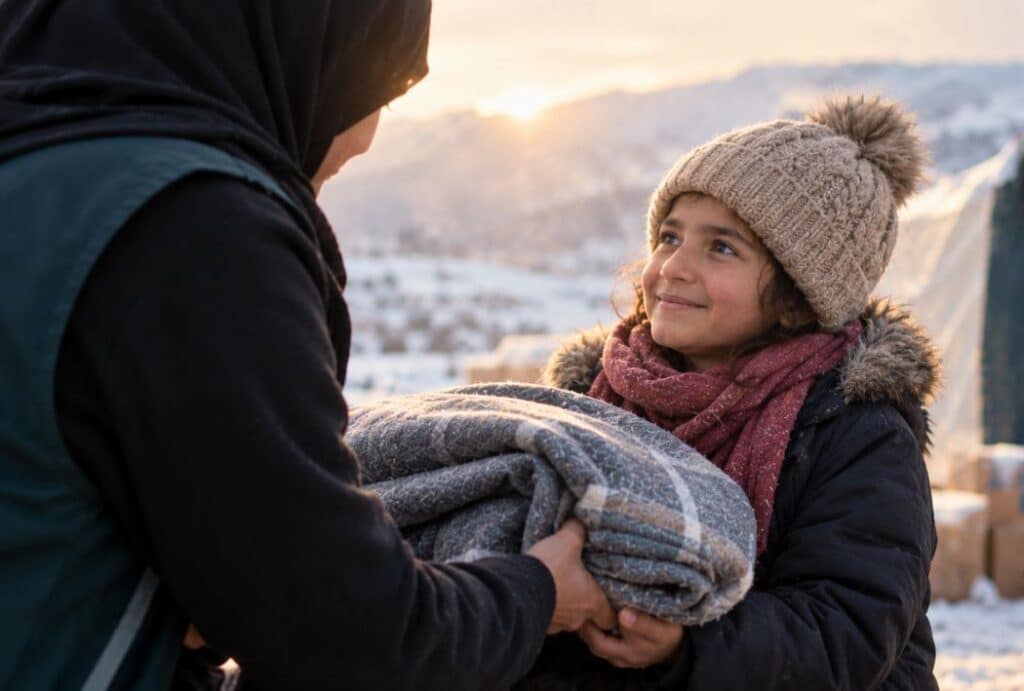
When families are facing winter without enough food, fuel, blankets or warm clothing, they need practical support when they need it most.
But hardship does not always end when the immediate emergency does.
Families and communities may continue to face barriers around housing, clean water, education, livelihoods and long-term stability.
This is why meaningful giving can look beyond the immediate moment.
Relief can help someone through today.
Longer-term support can help create better possibilities for tomorrow.
A Year-End Opportunity to Give With Purpose
The end of the year can therefore be more than a deadline on the calendar.
It can be an opportunity to think about the kind of impact we want our giving to have.
The Zahra Trust’s Winter Appeal Year-End Giving campaign brings these two ideas together.
During the year-end giving period, support can help provide urgent winter essentials, including food, fuel, blankets and winter clothing, for displaced and vulnerable families.
At the same time, the campaign creates an opportunity to support longer-term development needs, including housing, water access, education and orphan support.
This means winter relief is not viewed simply as a short-term response. It can become a gateway to continued support that helps communities work towards greater stability.
Giving Before the Year Ends
Year-end giving does not have to be about giving more simply because the calendar is changing.
It can be about giving with greater intention.
It can mean looking at what we have been blessed with and deciding to share some of it with someone who needs support.
It can mean choosing a cause that reflects our values.
And it can mean remembering that even a single act of generosity can become part of something much bigger.
As the year closes, we may not be able to change everything.
But we can choose to leave something better behind.
A Qur’anic Reminder
“O you who believe! Fear (displeasing) Allah (by following His commandments), and let every soul (seriously) consider what it has sent forth for tomorrow.” (Qur’an 59:18)
The end of the year gives us a natural opportunity to do exactly that.
To look back with gratitude.
To recognize the blessings we have received.
And to consider what we want to put forward through our actions and our giving.
What Will You Choose to Leave Behind?
A year is made up of countless decisions.
Some seem small. Others shape the direction of our lives.
Giving can be one of those choices.
Before the year ends, take a moment to think about the impact you want to help create, not only for today, but for the days, months and years that follow.
Because sometimes, the most meaningful way to look back on a year is to ask what we chose to give back.
Frequently Asked Questions
What is year-end giving?
Year-end giving refers to charitable donations made towards the end of the calendar year. It can be an opportunity to reflect on the year and support causes that matter to you before the year comes to a close.
Why is year-end giving important?
Year-end giving can help charities respond to immediate needs while supporting longer-term programs. It can also give donors an opportunity to make intentional charitable choices based on the impact they want to create.
What is intentional giving?
Intentional giving means thinking carefully about why, where and how you give. Rather than giving simply because it is expected, it involves choosing to support work that reflects your values and the kind of change you want to help create.
What does The Zahra Trust’s Year-End Giving campaign support?
The 2026 campaign brings together urgent winter relief with longer-term development support. This includes winter essentials such as food, fuel, blankets and warm clothing, alongside longer-term areas including housing, water access, education and orphan support.
Can my year-end donation support both immediate and long-term needs?
The Year-End Giving and Winter Appeal campaign is designed to connect immediate winter relief with longer-term support, allowing giving to contribute to both urgent needs and ongoing development.
How can I make my year-end giving more meaningful?
Start by reflecting on the kind of impact you want to create. Consider the needs you care about, the causes that reflect your values and how your donation could support people both now and in the future.
More from Blog
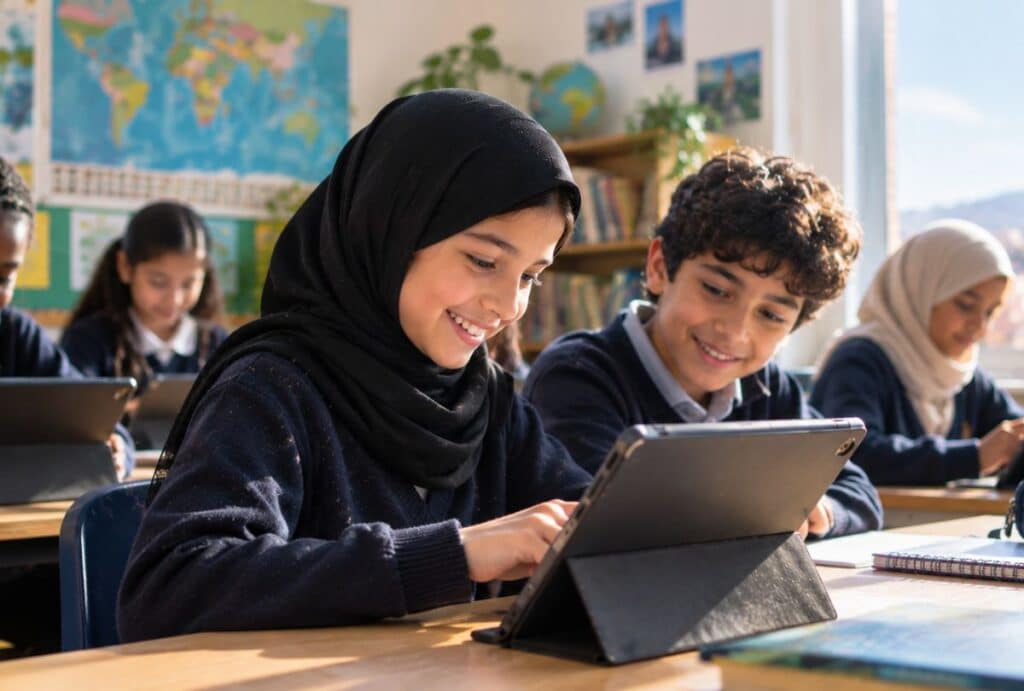
Bridging the Digital Divide Through Education
Explore how technology can make education more accessible and create equal learning opportunities for children. Support digital inclusion and help equip young…
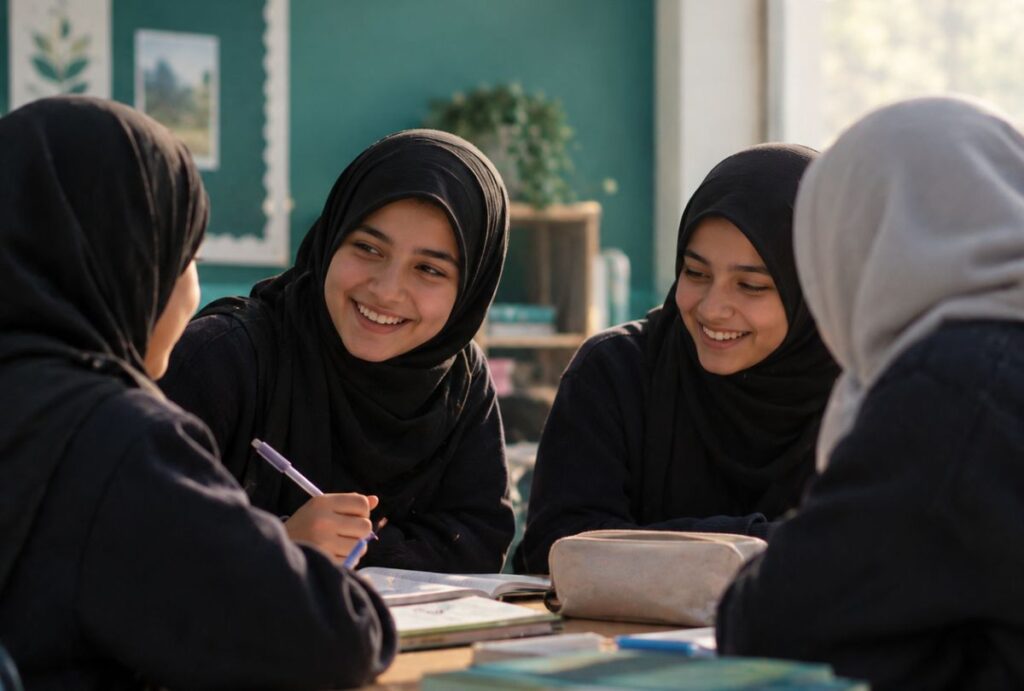
The Future Starts with Education
Help vulnerable children access education, technology and skills for a brighter future. Support The Zahra Trust with a Back to School gift…
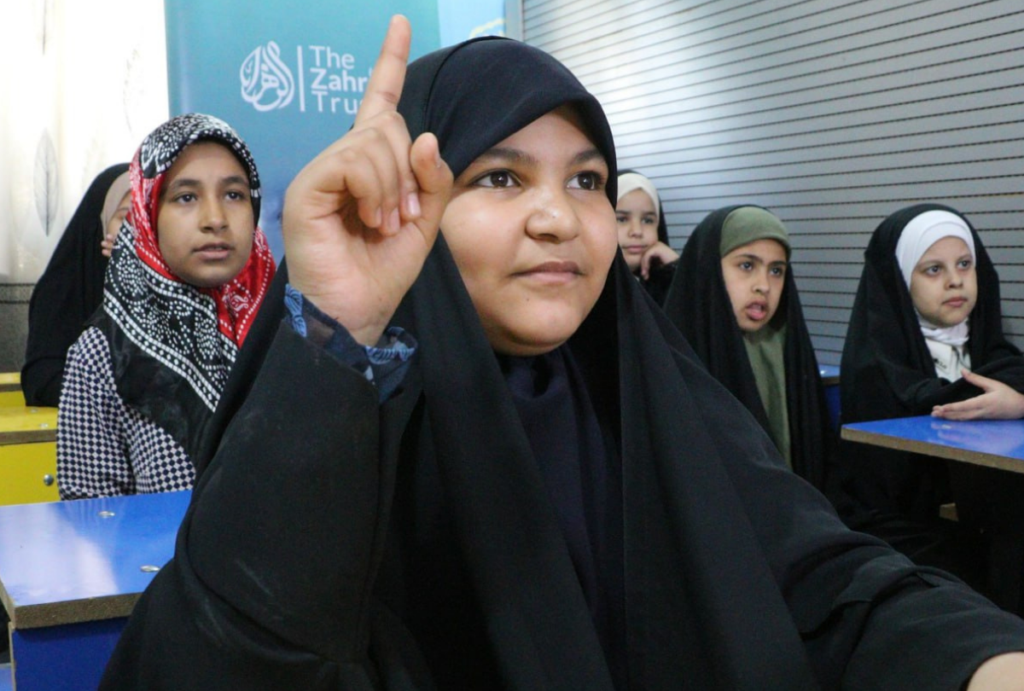
Rebuilding Futures Through Education: Restoring Hope, Dignity and Opportunity
When communities experience crisis, the effects can continue long after the immediate hardship has passed. Conflict, poverty, and displacement can interrupt a…