

In everyday life, emotions can feel overwhelming. From moments of joy to times of sadness, these feelings shape how we experience the world.
In Islam, emotions are not seen as weaknesses but as part of the way Allah (swt) created us.
The Qur’an acknowledges human emotions and provides guidance on how to understand and manage them.
Emotions are part of our nature
The Qur’an recognises emotions such as fear, hope, love and grief
It teaches believers to guide these emotions through faith.
“… and He ordained affection and mercy between you …”
Surah Ar-Rum, Ayah 21
The example of the Prophet (saww)
The Prophet Muhammad (saww) demonstrated emotional balance through patience, compassion, and trust in Allah (swt).
He experienced:
- Grief at the loss of loved ones
- Compassion for others
- Patience during hardship
Yet he always responded with dignity, faith, and trust in Allah (swt).
Balancing emotion with faith
Islam teaches believers to align their emotions with remembrance of Allah (swt).
For example:
- Fear can lead to awareness of Allah (swt)
- Hope can strengthen trust in His mercy
- Sadness can encourage patience and reflection
“O you who have faith! Be maintainers of justice and witnesses for the sake of Allah …”
Surah An-Nisa, Ayah 135
A source of reflection
The Qur’an helps believers understand emotions and respond with patience and faith.
FAQs
It recognises emotions and provides guidance.
No, they are part of human nature.
With patience and trust in Allah (swt).
Through faith and remembrance.
It helps believers stay strong in faith.
More from Blog

Bridging the Digital Divide Through Education
Explore how technology can make education more accessible and create equal learning opportunities for children. Support digital inclusion and help equip young…

The Future Starts with Education
Help vulnerable children access education, technology and skills for a brighter future. Support The Zahra Trust with a Back to School gift…
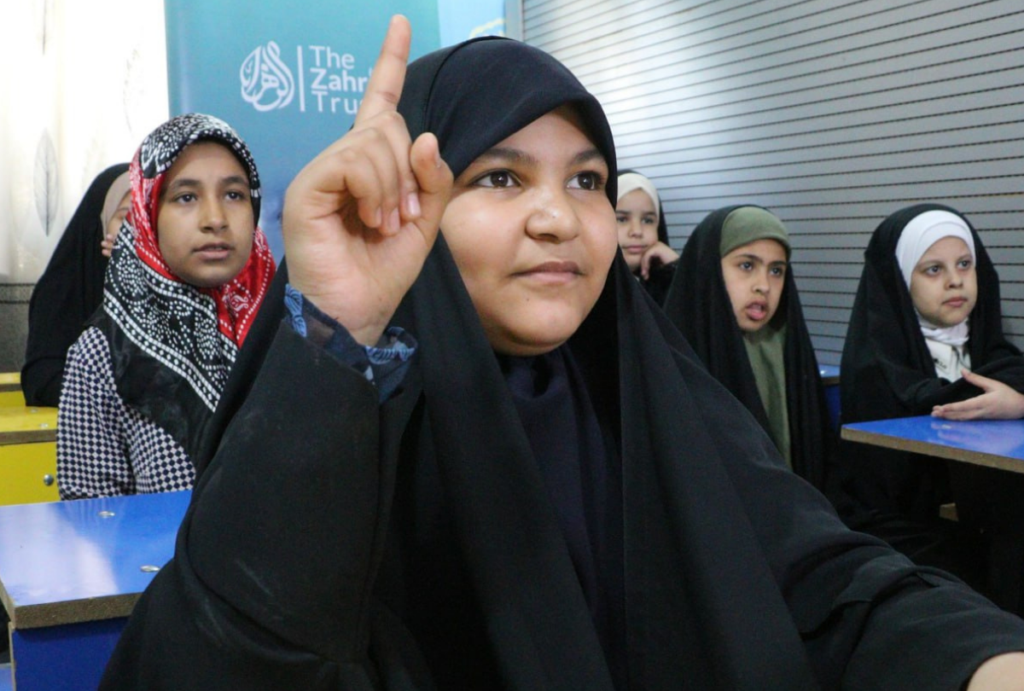
Rebuilding Futures Through Education: Restoring Hope, Dignity and Opportunity
When communities experience crisis, the effects can continue long after the immediate hardship has passed. Conflict, poverty, and displacement can interrupt a…