

Ramadan invites reflection.
Imam Ali (as) taught that justice is not reserved for leaders – it belongs to everyone. It shows up quietly, in what we buy, what we say, and what we ignore.
Justice as a way of life
Imam Ali (as) lived simply so others could live at all.
He treated public wealth as sacred, refusing comfort while others lacked essentials.
Justice, for him, meant shared dignity.
Giving as balance
The Qur’an teaches us:
“Indeed, Allah commands justice, excellence, and giving to relatives.”
Surah An-Nahl, Verse 90
Food aid and clean water are not charity alone. They correct imbalance. They stabilise families before desperation takes hold.
Ramadan in Action
This Ramadan, justice looks like conscious giving.
Feeding families. Preventing illness. Protecting dignity.
When we give, Imam Ali’s (as) justice becomes lived reality.
FAQ
What does Imam Ali (as) teach about justice?
That justice is lived daily through choices, not only declared in law.
How is justice linked to money in Islam?
Wealth is a trust and withholding it while others suffer is injustice.
Why is Ramadan a time for justice?
Fasting sharpens awareness of inequality and responsibility.
Which Qur’an verse reflects Imam Ali’s justice?
How does charity become justice?
By restoring balance and preventing social collapse.
How can I practice Imam Ali’s (as) justice today?
Through fair spending, careful speech, and supporting those in need
More from Blog
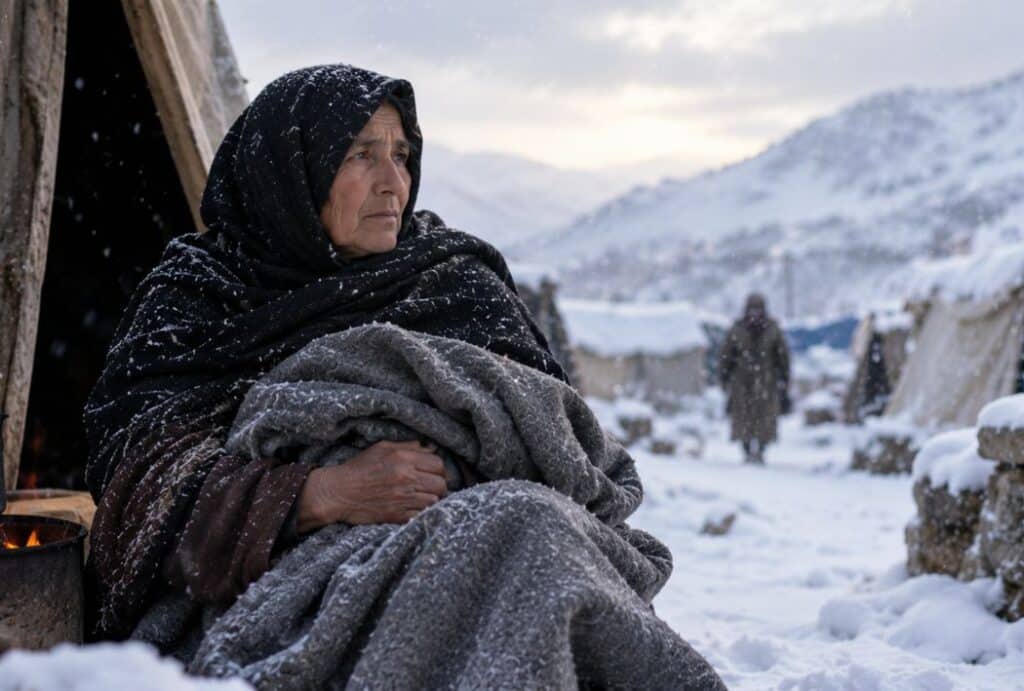
When Does Winter Become a Humanitarian Issue?
When does winter become a humanitarian issue? Learn how freezing temperatures can put vulnerable families at risk, and how winter aid can…

Why Did the Prophet (saww) Call Fatima (sa) “A Part of Me”?
Discover why Prophet Muhammad (saww) called Sayyida Fatima (sa) “a part of me” and what his words teach us about love, faith…
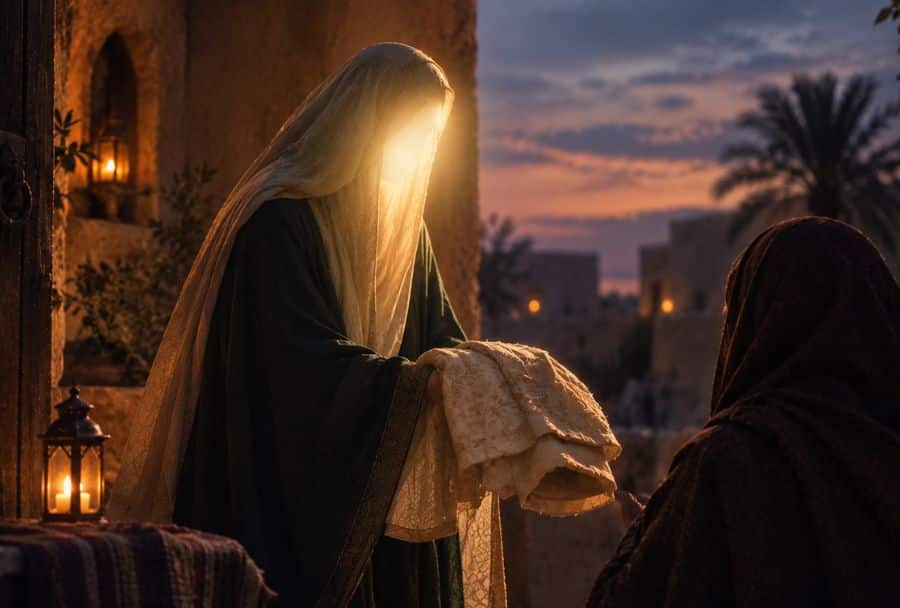
The Story of Sayyida Fatima (sa) and Her Wedding Dress
Discover the story of Sayyida Fatima (sa) giving away her wedding dress and what this beautiful example teaches us about generosity, sacrifice…