How Shia Art Inspires Faith and Community Today
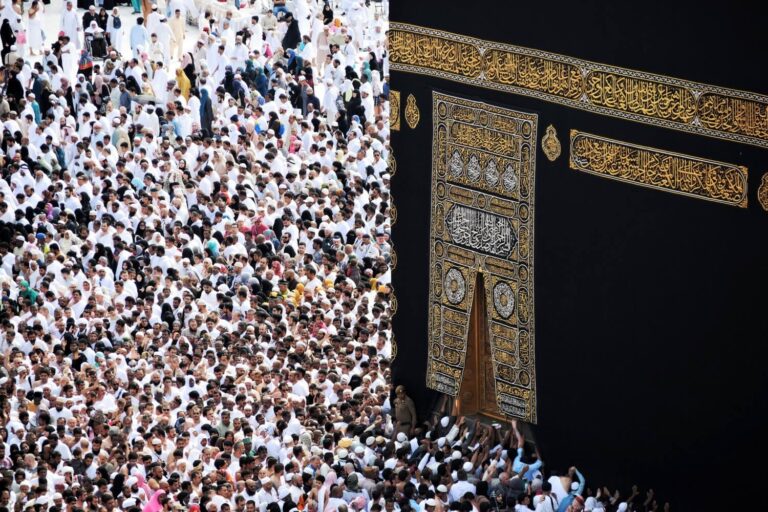
How does Shia art inspire faith and connect communities? From flowing calligraphy to heartfelt latmiyyat, every form carries devotion and identity.
As the Prophet (saww) is reported to have said:
“Allah, most High, is beautiful and He loves beauty.” (Kanz al-Ummal, n.17166)
And as the Quran reminds us:
“Surely in the creation of the heavens and the earth, and the alternation of the night and the day, there are signs (of Allah’s (swt) knowledge, power and unity) for the people of understanding minds.” (3:190)
Through its beauty, Shia art invites reflection and remembrance, linking hearts and generations.
Art as a Mirror of Faith
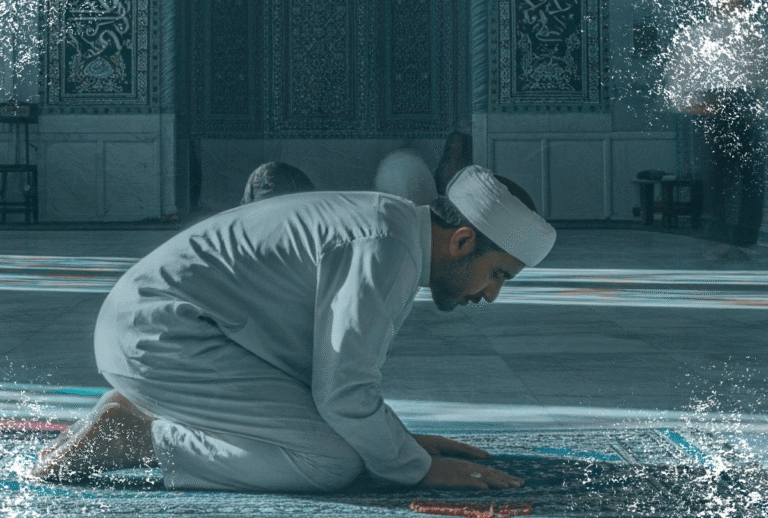
Shia art reflects the values that guide believers.
Calligraphy, motifs, and latmiyyat convey patience, justice, and compassion.convey patience, justice, and compassion.
Each stroke and verse reminds us of devotion to Allah (swt) and the Ahlulbayt (a).
These artistic signs teach, inspire reflection, and remind communities of shared values.
Where Devotion Meets Learning
Shia art is more than decoration.
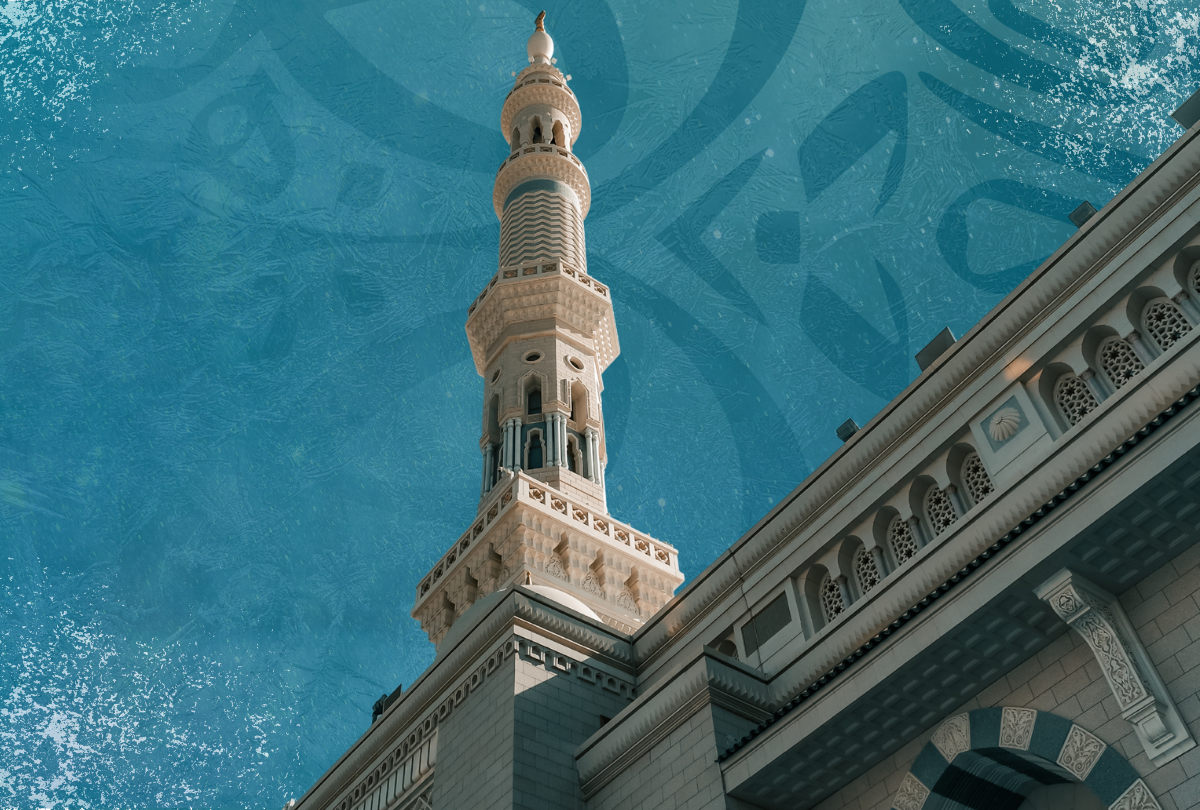
Each calligraphy panel, mosque motif, and latmiyyat carries lessons in faith, patience, and compassion.
These forms educate and inspire, connecting young and old, and keeping communities spiritually alive.
Through its beauty, Shia art links generations and strengthens identity.
Carrying Faith Forward
Shia art is more than tradition; it is a living legacy.
Communities continue to learn, reflect, and create, carrying devotion and values forward to future generations.
Shia art reminds us that beauty is a form of devotion and resilience.
Through calligraphy, latmiyyat, and motifs, communities reflect, learn, and stay connected to faith and heritage.
Share this story to inspire others and celebrate the living legacy of Shia art.
FAQ
Shia art includes calligraphy, motifs, architecture, and latmiyyat. It expresses devotion, teaches moral values, and preserves cultural and religious heritage.
Calligraphy is a way to visually reflect sacred words. It turns Quranic verses and prayers into art, inspiring reflection, devotion, and learning.
Latmiyyat are rhythmic poems of mourning that remember the sacrifices of the Ahlulbayt (a). They combine devotion, poetry, and music to strengthen faith and community bonds.
In other cultures, marsiyas and nohas serve a similar purpose.
Through shared spaces, motifs, and cultural events, Shia art preserves heritage and identity. It educates younger generations and strengthens communal ties.
Yes. Shia art reflects universal themes of devotion, beauty, patience, justice, and compassion, offering inspiration for all who appreciate faith and culture.