
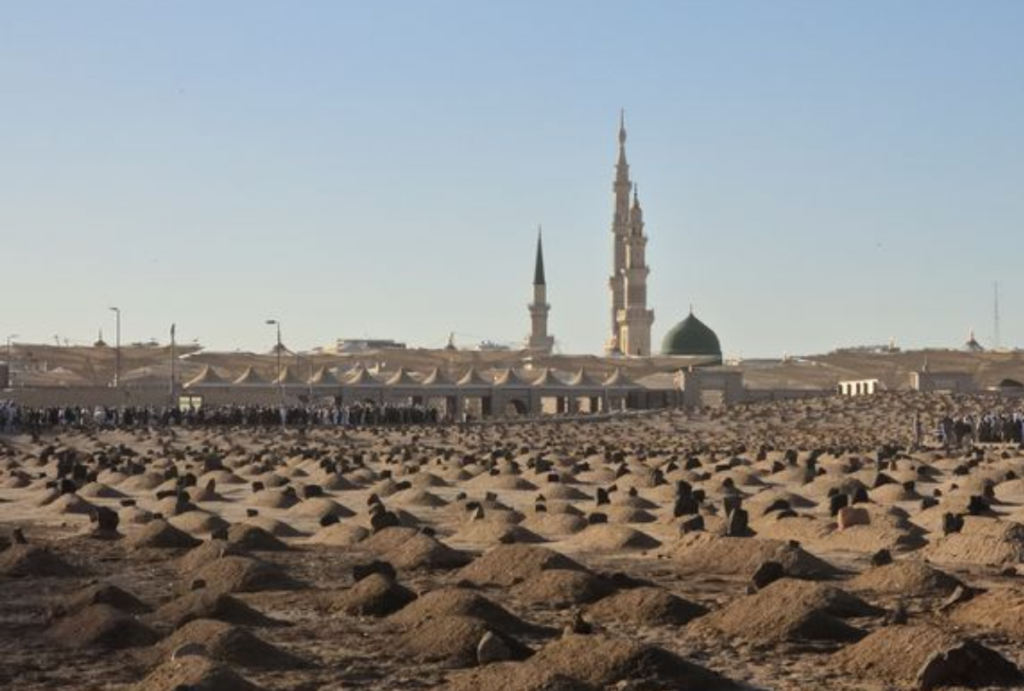
“Every soul shall taste death…”
Surah Aal-e- Imran, Ayah 185
Loss has a way of changing everything. It can leave you feeling quiet, reflective, and deeply emotional.
In Islam, death is not seen as the end, but as a return to Allah (swt) -a transition filled with meaning.
At The Zahra Trust, we stand with you in moments of grief, offering faith-based support.
A faith-centered view of grief
Islam teaches that this world is temporary. For Muslims, remembering the Ahlulbayt (as), especially Imam Hussain (as), helps bring meaning to hardship. Even the Prophet (saww) mourned and showed grief.
Grief is not something to hide. It is part of being human.
Ways to cope in a healthy manner include:
- Engage in prayer and dua
- Reflect on the Qur’an
- Attend majlis
- Stay close to loved ones
Practising patience
Sabr is about resilience and trust in Allah (swt). Every moment of patience is rewarded.
Continuing their legacy
Giving sadaqah and making dua helps keep your loved one’s memory alive.
FAQs
Islam provides guidance through prayer, patience, and belief in the hereafter.
No, grieving is natural and accepted. Even the Prophet (saww) experienced grief.
Reciting Qur’an, making dua, and giving charity in their name.
Offer emotional and practical support, and stay connected through community.
It allows collective mourning and spiritual reflection, which helps in healing.
By trusting Allah (swt), staying consistent in prayer, and seeking support.
More from Blog

Bridging the Digital Divide Through Education
Explore how technology can make education more accessible and create equal learning opportunities for children. Support digital inclusion and help equip young…
The Future Starts with Education
Help vulnerable children access education, technology and skills for a brighter future. Support The Zahra Trust with a Back to School gift…
Rebuilding Futures Through Education: Restoring Hope, Dignity and Opportunity
When communities experience crisis, the effects can continue long after the immediate hardship has passed. Conflict, poverty, and displacement can interrupt a…