
Ramadan asks us a quiet but powerful question: Who are we becoming?
Remembering Imam al-Mahdi (ajtfs) is not limited to whispered prayers. It is found in how we treat the vulnerable, how we respond to suffering, and how we build community.
Allah (swt) reminds us:
“The servants of the Most Merciful are those who walk humbly upon the earth.”
Surah Al-Furqan, Verse 63
Remembrance Through Mercy
The Imam (ajtfs) represents justice, mercy, and protection of human dignity. Remembering him means reflecting those values in real life.
At The Zahra Trust, this remembrance takes form through:
- Food that turns survival into stability
- Water that becomes unconditional hospitality
- Care for widows and mothers that multiplies strength across generations
This is mercy that lasts longer than words.
Ramadan: Becoming a Community Worthy of Return
Ramadan is a month of alignment — between belief and action.
When we relieve hunger, we unlock potential. When we prevent collapse, we protect futures.
To remember the Imam (ajtfs) is to prepare the world he will inherit.
FAQ
No. It includes social and moral responsibility.
His mission is rooted in justice and care for humanity.
It reshapes hearts toward empathy and discipline.
Yes. Sustainable help reflects foresight and wisdom.
Absolutely. Communities prepare together.
Turning compassion into lasting systems of care.
More from Blog

Bridging the Digital Divide Through Education
Explore how technology can make education more accessible and create equal learning opportunities for children. Support digital inclusion and help equip young…
The Future Starts with Education
Help vulnerable children access education, technology and skills for a brighter future. Support The Zahra Trust with a Back to School gift…
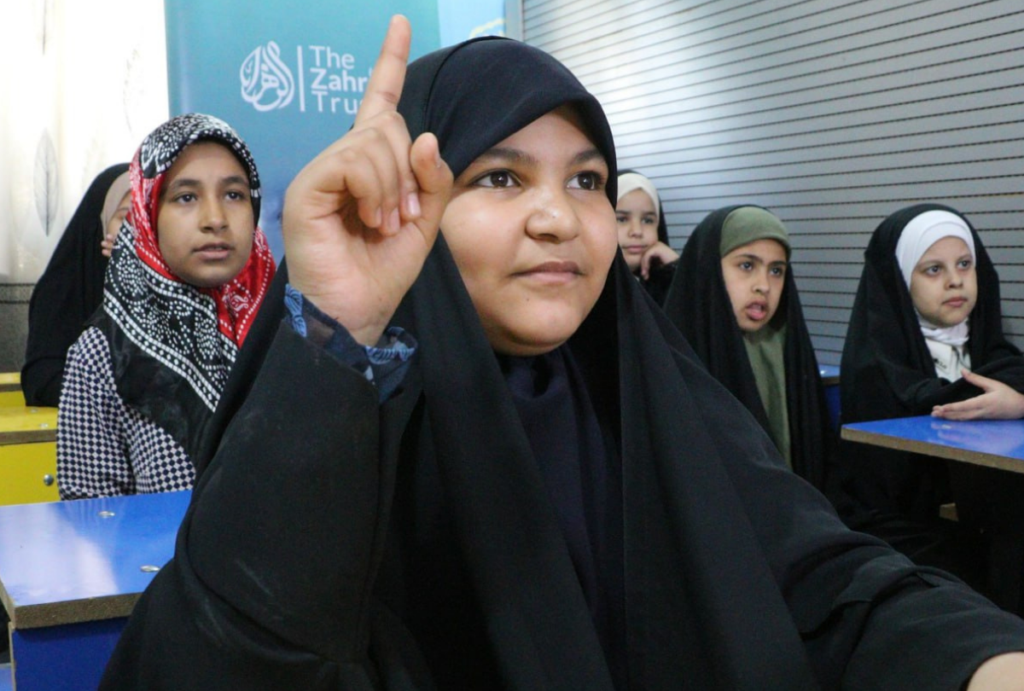
Rebuilding Futures Through Education: Restoring Hope, Dignity and Opportunity
When communities experience crisis, the effects can continue long after the immediate hardship has passed. Conflict, poverty, and displacement can interrupt a…