

During times of crisis, the values of mercy and justice become especially important.
Around the world today, many families are facing humanitarian challenges that affect their access to food, water, shelter, and healthcare.
For Muslims, these moments are a reminder that faith calls believers to respond with compassion and responsibility.
Helping others during hardship is one of the clearest ways to reflect the teachings of Islam.
A Qur’anic reminder of justice
The Holy Qur’an teaches:
“Indeed, Allah commands justice, excellence, and generosity to relatives and forbids immorality and oppression.”
Surah An-Nahl, Verse 90
This verse highlights the importance of fairness and kindness in our actions.
Responding to hardship with generosity reflects these values.
Supporting our Emergency Campaign
Donations help deliver:
- Emergency food support
- Clean water and sanitation assistance
- Medical and humanitarian relief
- Support for families facing hardship
Turning compassion into action
Mercy and justice become meaningful when they inspire action.
Supporting humanitarian efforts helps protect vulnerable communities and reflects the values at the heart of Islamic teachings.
FAQs
Why are mercy and justice important in Islam?
Mercy and justice guide how Muslims treat others and respond to hardship.
What does the Qur’an say about justice?
The Qur’an repeatedly emphasises fairness, generosity, and compassion.
What does The Zahra Trust Emergency Campaign do?
The campaign provides emergency humanitarian assistance including food, water, and medical aid.
How can Canadians support humanitarian relief?
Canadians can donate to trusted charities providing emergency aid.
Why is humanitarian aid important during crises?
It helps ensure vulnerable communities receive essential support when they need it most.
More from Blog
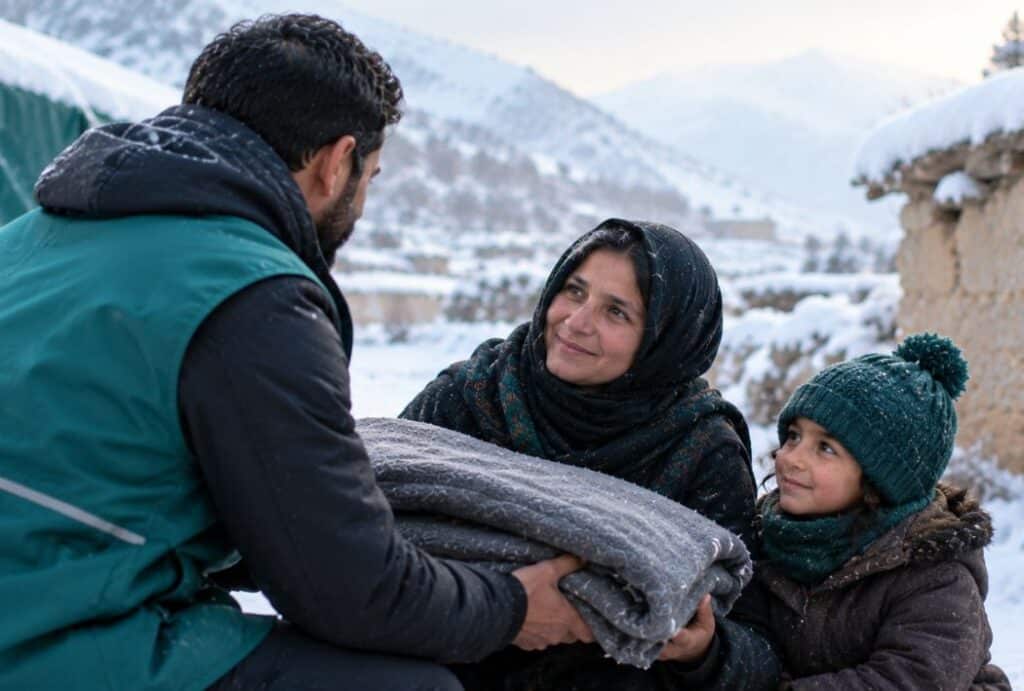
The Everyday Things We Take for Granted in the Winter
From a warm home to dry clothes and a hot meal, discover the everyday winter comforts we often take for granted and…
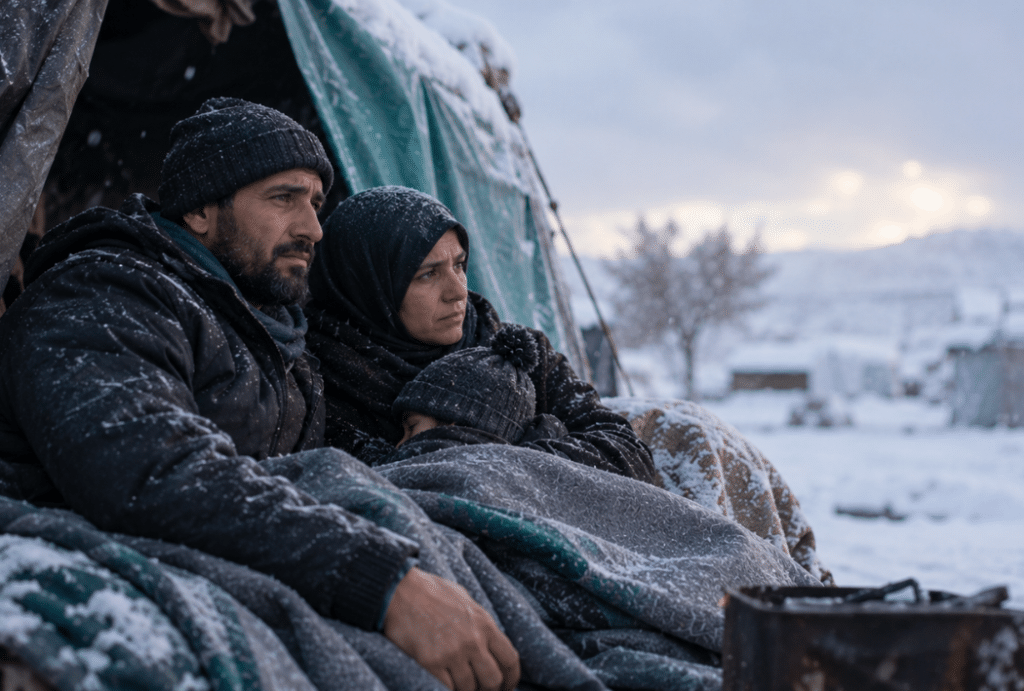
7 Everyday Things That Become Harder When Winter Arrives
Discover how winter can make everyday life harder for families already facing hardship, from staying warm and accessing food to travelling, learning…
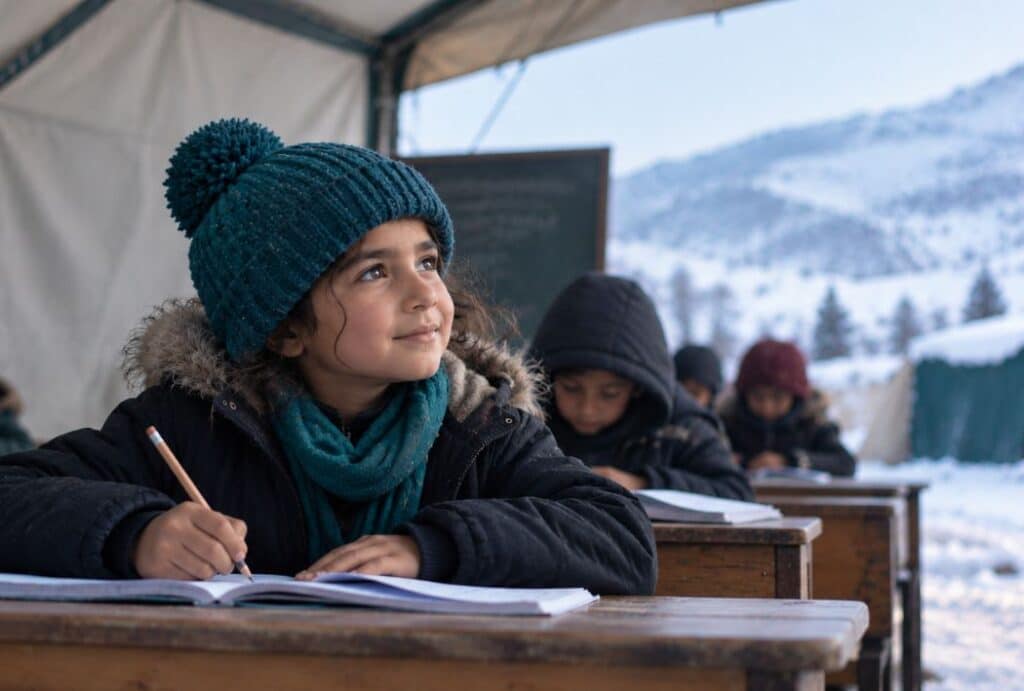
What Prolonged Hardship Can Take Away From a Child
Discover how prolonged hardship can affect a child's routine, education, safety and sense of stability, and why protecting childhood matters in humanitarian…