Part 1: Day in the Life of a Field Worker
Behind every charitable project delivered on time and every family supported with dignity is a field worker quietly carrying the weight of responsibility, compassion, and commitment.
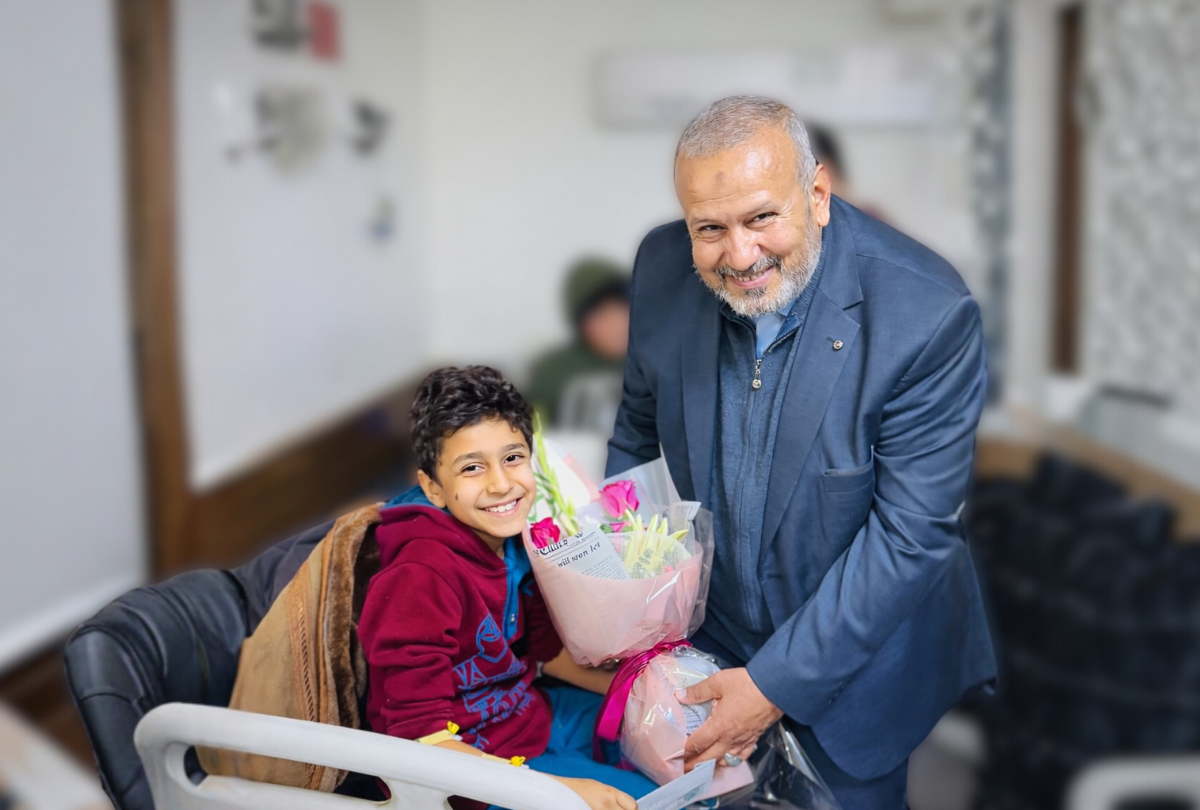
Hassan Al-Jarrah is one of those individuals. With decades of experience in journalism, translation, humanitarian advocacy, and community service, Hassan’s daily work reflects both professionalism and profound devotion.
His story offers a rare, honest glimpse into what it truly means to serve – day in and day out- on the front lines of charitable work.
What is your role at The Zahra Trust, and what motivated you to join?
On October 22, 2022, I joined The Zahra Trust as director of the Al-Haydariya branch. In early May 2025, my responsibilities expanded when I began working as a translator and liaison with the organization’s headquarters in London.
My role includes writing project proposals for programmes in Najaf, Al-Haydariya, and Diwaniyah, following up on implementation, and coordinating closely with the parent organization.
I also had the honor of translating the organization’s 2024 annual report into Arabic and uploading it to the official website. I remain in this position today, continuing this multifaceted work.
Interestingly, there was no traditional job interview. Everything happened through a series of intensive phone calls. I was simply told to go to “pillar 470,” as if it were a secret code that I had to decipher and act upon.
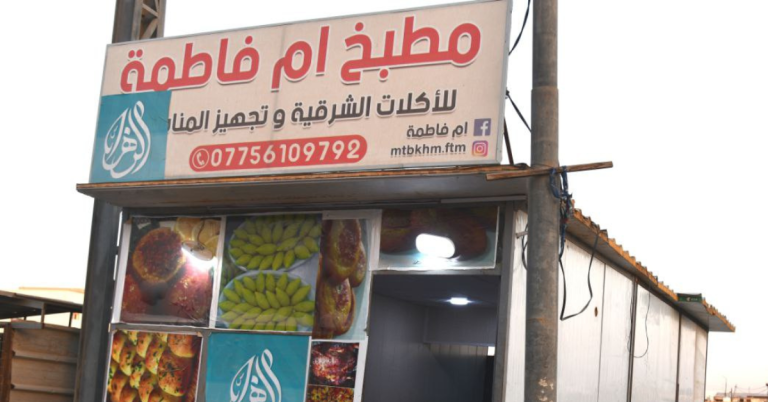
As I drove toward site 470 – a mowkeb on the road between Karbala and Najaf – I felt overwhelmed. My body trembled, the hair on my arms stood on end, and my eyes filled with tears. I asked myself, standing in awe of the institution’s name, “am I truly serving Fatima al-Zahra (peace be upon her) in this place?”
What does a typical workday look like for you?
My day begins when the alarm – monotonous and unforgiving – forces me out of bed. I quickly organize my priorities, deciding whether I can drop off the children on my way to school. Then I join the morning traffic, becoming part of the river of cars that floods Najaf’s main streets.
At the Najaf office, I clock in with my thumbprint and move swiftly between the nursery and the widows’ reception and registration room before finally reaching my office, which I share with five colleagues.
Sister Umm Ridha is usually already there, tirelessly preparing tea, tidying offices, and arranging breakfast for the staff. The first hour of the day unfolds to the soothing backdrop of Quranic recitations or morning prayers playing from her phone.
Once settled, I open my laptop – slow enough to test anyone’s patience – and begin replying to WhatsApp messages while waiting for the official email system to load. I collect project forms and track information coming from the family census coordinator, who works directly with widows, orphans, and families in need. Sister Zainab, our statistics coordinator, often assists me in reviewing and refining this data.
Some proposal sections require detailed pricing. That usually means climbing down several flights of stairs to the cashier’s office, hoping she still has the receipts. If they’ve already been sent to the accountant, Brother Dirgham, then it’s back up the stairs. His professional response is always the same: “If you’ve checked the receipts, then you’re giving me an order.” So, I wait until everything aligns perfectly.
I draw a great deal of inspiration from my colleague Ali, our public relations and client management officer. His Lebanese accent turns every conversation into a linguistic pleasure and opens a window into Levantine culture. His experience is invaluable when developing proposals and implementation strategies.
Across from me is Ms. Saba, the media officer – always impeccably dressed. When she edits, she puts on her headphones and disappears into the world of Adobe Premiere. Patience is essential before interrupting her, but the results are always worth it: stunning photos and videos for our Facebook page. Occasionally, she asks me to translate a caption, and we strike a friendly bargain – I’ll help with the text if she sends me project photos. A winning deal for both of us.
Once the proposal is complete, it’s sent to London through fiber-optic cables and logged into the tracker system. By day’s end, I feel a deep sense of fulfillment, knowing that our work may ease the suffering of an orphan, a widow, or a family in need.
I often ask myself, “where are the sons of kings compared to this pleasure – the pleasure of fulfilling people’s needs through the dedicated work of a sincere team?”
Before leaving, I usually receive a call confirming that new families have been identified and approved for upload. I often take my laptop home to continue preparing proposals. During peak times – especially in Ramadan – it feels as though the day needs to be 48 hours long.
As I leave, I might see Ms. Adhraa carrying family files and the work phone home, continuing her efforts to contact widows and arrange future programme implementation. The work rarely stops at the office door.
Do you have a favorite part of your day or your work at The Zahra Trust? Why?
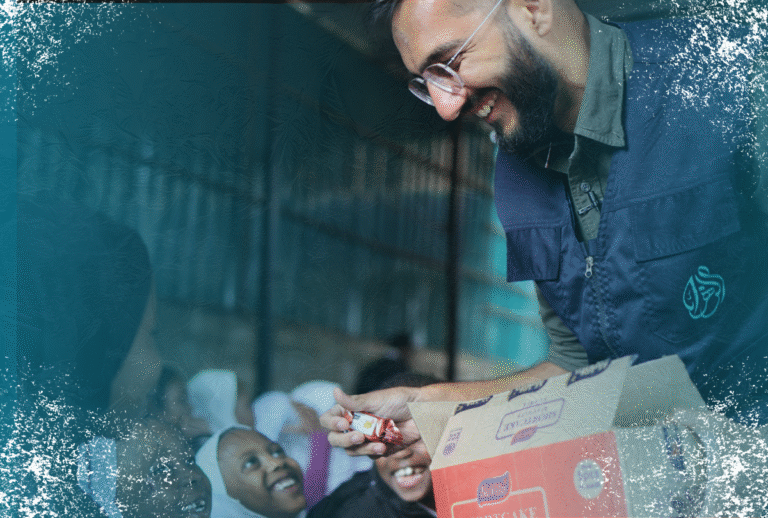
Welcoming guests and explaining the foundation’s achievements brings me immense joy – especially when I feel like an ambassador for the trust.
Visiting the nursery is another highlight. The moment I ask the children how they are, they rush toward me, clapping and greeting me with pure happiness. Nothing compares to that
Have you experienced particularly difficult days?
Yes – especially during Ramadan. One of the most intense days was when we were tasked with preparing and distributing more than 3,000 meals for a mowkeb. Everything had to be cooked and delivered before breakfast so meals could reach Najaf, Karbala, and Al-Haydariya simultaneously.
The pressure was immense. We raced against time to finish before suhoor. When it was finally over, exhaustion overtook us so completely that we barely felt physical pain. Some staff fell asleep immediately. We even found our colleague, Ali Rahman, asleep on a cart used to transport pots.
During Arba’een Ziyara, fatigue reaches extraordinary levels. I will never forget the secretary-general personally checking on staff and providing iron supplement ampoules to help restore our strength. That care made a real difference.
Do you have any special memories with colleagues or beneficiaries?
One unforgettable memory took place during the Nights of Power (Laylat al-Qadr). We distributed $4,000 to forty families, ensuring the aid reached them before dawn, as the donor had requested.
We arrived late for suhoor at the home of one beneficiary at column 413. He was blind. He welcomed us warmly, and after speaking with him, we handed him the money.
He broke down in tears, sobbing as he said, “when my relatives abandoned me, you came knocking on my door with unexpected sustenance.”
At that moment, I reflected deeply. Blessed is the donor who almost deprived us of suhoor with our families so that his charity could reach those in need on the Night of Power. Our joy was in delivering it on time – and in knowing that it reached the right hands.
This is what a day in the life of a field worker truly looks like: long hours, quiet sacrifices, teamwork, and moments of profound human connection that make every challenge worthwhile.
To learn more about our work and how you can get involved, click here!