
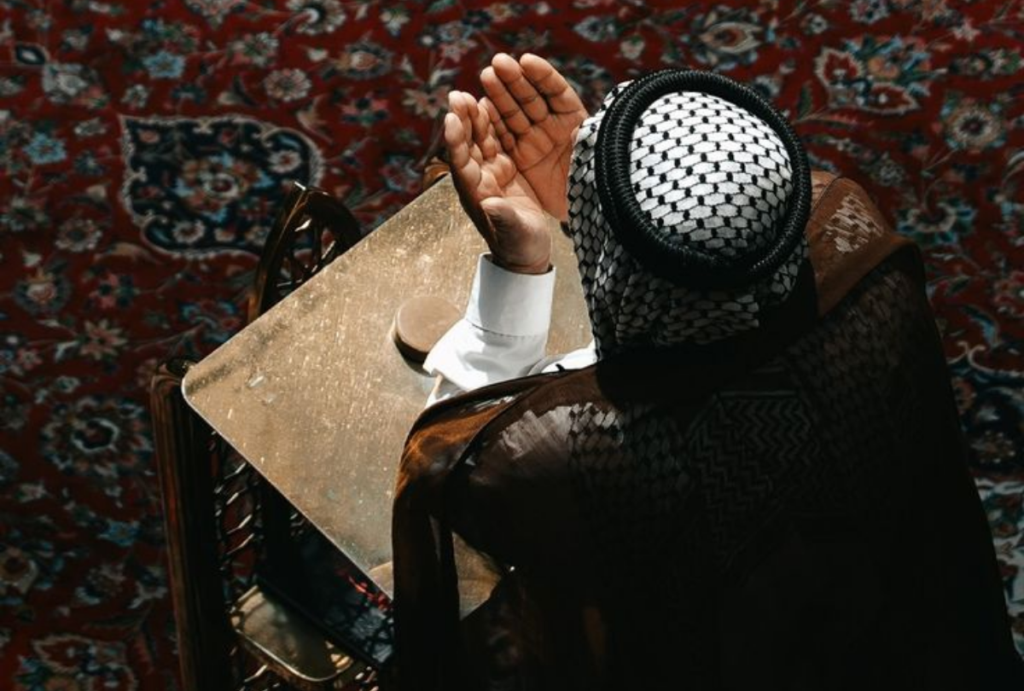
Have you ever felt like things are slipping out of your control? Plans don’t work out, worries begin to build, and the future feels unclear.
These moments can feel overwhelming – but they are also opportunities to reconnect with Allah (swt).
Tawakkul isn’t just a concept we learn about – it’s something we live through, especially in uncertainty.
As Muslims, our understanding of tawakkul is deeply rooted in the teachings of the Ahlulbayt (as), who showed unwavering trust in Allah (swt), even in the most difficult trials.
Their lives remind us that even when circumstances are uncertain, Allah’s (swt) plan is always precise, wise, and full of mercy.
What is tawakkul?
Tawakkul means placing complete trust in Allah (swt) while continuing to make sincere effort. It is a balance between action and reliance.
It does not mean giving up or becoming passive. Instead, it means doing your best and leaving the outcome in Allah’s (swt) hands, knowing that He is the best of planners.
Allah (swt) says in the Qur’an:
“And whoever relies upon Allah – then He is sufficient for him.”
Surah At-Talaq, Ayah 3
This verse brings deep comfort. It reminds us that no matter what we are facing, Allah (swt) is enough to support, guide, and protect us.
Why tawakkul matters in difficult times
Uncertainty often brings anxiety, stress, and fear of the unknown. But tawakkul helps shift our mindset in powerful ways.
When you truly trust Allah (swt):
- You feel less stressed
- You trust the process
- You grow spiritually
The teachings of the Ahlulbayt (as) show us that even in hardship, there is purpose.
Tawakkul allows us to see beyond the immediate struggle and trust in a greater plan.
How to practice tawakkul daily
Building tawakkul is a journey. Here are simple, practical ways to strengthen it in your everyday life:
- Make dua consistently: Speak to Allah (swt) regularly. Share your worries, your hopes, and your fears.
- Take action with sincerity: Put in your best effort in every situation, knowing that results are in Allah’s (swt) control.
- Reflect on past experiences: Think about times when things worked out unexpectedly -this builds trust in Allah’s (swt) wisdom.
- Stay connected to the Ahlulbayt (as): Their lives are filled with examples of patience, resilience, and unwavering tawakkul.
Tawakkul does not remove challenges – but it gives people the strength to face them with dignity, patience, and hope.
FAQs
Tawakkul means placing complete trust in Allah (swt) while continuing to make effort.
No, Islam encourages planning and effort alongside trust in Allah (swt).
Through regular dua, reflection, and learning from the Ahlulbayt (as).
It helps bring peace and reminds us that Allah (swt) is in control.
Yes, it shifts focus away from worry and towards trust in Allah (swt).
Surah At-Talaq (65:3) highlights reliance on Allah (swt).
More from Blog

Bridging the Digital Divide Through Education
Explore how technology can make education more accessible and create equal learning opportunities for children. Support digital inclusion and help equip young…

The Future Starts with Education
Help vulnerable children access education, technology and skills for a brighter future. Support The Zahra Trust with a Back to School gift…
Rebuilding Futures Through Education: Restoring Hope, Dignity and Opportunity
When communities experience crisis, the effects can continue long after the immediate hardship has passed. Conflict, poverty, and displacement can interrupt a…