
There are some things we barely think about until they are missing.
A warm room when the temperature drops.
A dry coat after walking through the rain.
A hot meal at the end of a long day.
A roof that keeps the snow and wind outside.
In winter, these ordinary comforts can become part of the rhythm of everyday life. We turn on the heating, reach for a blanket, put on a warm coat and make a hot drink without giving much thought to what these things provide.
For families facing poverty or crisis, however, some of these simple comforts may not be guaranteed.
And that can change what winter feels like.
The Comfort of a Warm Home
Most of us know the feeling of coming inside from the cold.
The door closes behind us. We take off our coat. We turn on the heating or sit somewhere warm.
It is such an ordinary part of winter that we may not think of warmth as something that needs to be protected.
But for a family without reliable heating, staying warm can become a daily challenge.
Heating fuel can be expensive. A home may not be properly insulated. In remote communities, getting fuel or other essential supplies may be difficult, particularly when winter conditions make travel harder.
What feels like a small comfort to one person can be a vital need for another.
The Difference a Dry Coat Can Make
A warm coat is easy to overlook.
We put one on before leaving the house and take it off when we get home.
But imagine spending hours outside in freezing temperatures without clothing that keeps you warm and dry.
For people already facing difficult living conditions, having suitable winter clothing can help protect them from the cold and make everyday tasks a little safer and more manageable.
Blankets can offer the same kind of protection.
They may be simple items, but during a harsh winter, they can provide an important layer of warmth when families need it most.
The Simple Comfort of Hot Food
There is something comforting about a hot meal in winter.
A warm bowl of food can provide nourishment, but it can also bring a sense of routine and comfort to an otherwise difficult day.
For families experiencing food insecurity, however, having enough food is not always certain.
When winter makes daily life harder, access to nutritious food becomes even more important.
That is why winter humanitarian responses can include food assistance alongside items such as blankets, warm clothing and heating supplies.
Meeting basic needs does not have to be complicated.
Sometimes it starts with something as simple as a warm meal.
A Roof That Keeps the Cold Out
Shelter is another everyday comfort that is easy to take for granted.
When it is raining or snowing outside, most of us expect to be able to close a door and leave the weather behind.
For families living in fragile homes, overcrowded conditions or temporary shelters, that separation from the elements may not be so secure.
Cold air can enter. Roofs can leak. Heating may be limited.
And when the temperature continues to fall, an unsafe or inadequate home can become much more than an inconvenience.
It can become a serious risk.
When Everyday Comforts Become Essential Needs
This is where winter becomes a humanitarian issue.
The difference is not simply how cold the weather is.
It is whether people have the resources and protection they need to cope with it.
For someone with a warm home, suitable clothing, enough food and access to heating, winter can be uncomfortable.
For someone without these things, the same cold weather can have much more serious consequences.
Children, older people and households already experiencing hardship can be particularly vulnerable.
Winter does not create every difficulty they face, but it can make existing challenges harder to manage.
Winter Aid Helps Meet Basic Needs
Humanitarian winter aid is about helping bridge that gap.
Depending on the needs of a community, support can include:
- Blankets
- Warm clothing
- Heating fuel
- Fuel stoves
- Essential food assistance
- Hot meals
These are practical forms of support, but their impact can reach beyond the item itself.
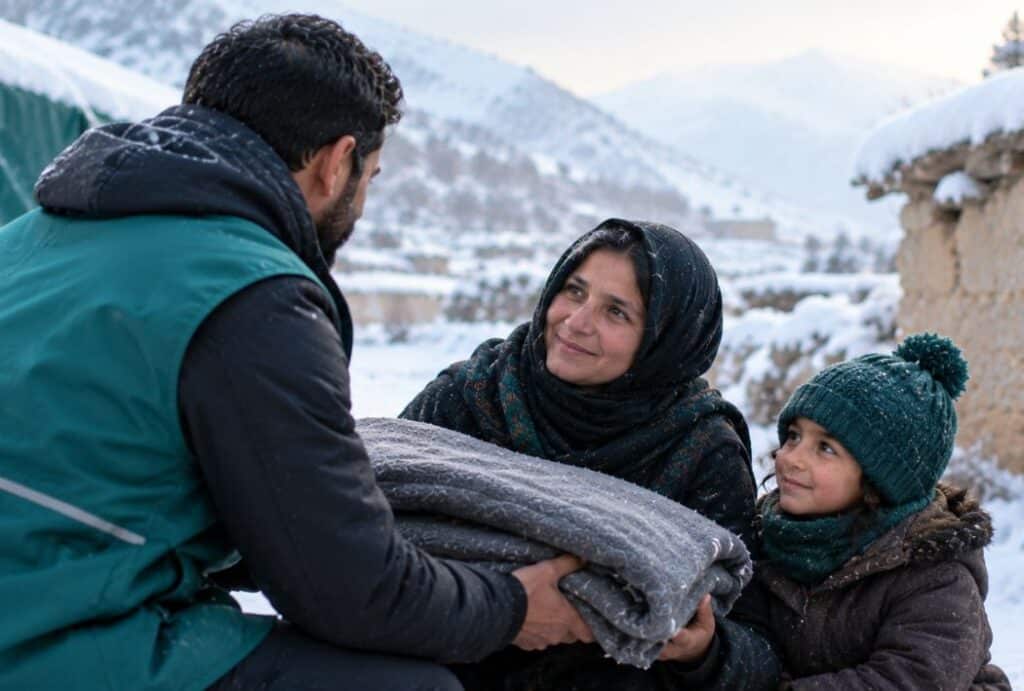
A blanket can mean another layer of warmth at night.
Heating fuel can help a family keep their home warm.
Warm clothing can provide protection when temperatures fall.
Food assistance can help make sure a household has something to eat when resources are stretched.
Together, these essentials can help families face winter with greater safety and dignity.
Looking at Winter Differently
Thinking about winter in this way can change how we see the things around us.
The blanket on the sofa.
The coat hanging by the door.
The warm meal waiting in the kitchen.
The heating that comes on when the room gets cold.
None of these things are extravagant.
But they can make an enormous difference to how we experience winter.
For families without them, winter can feel very different.
Recognising that does not mean feeling guilty about the comforts we have.
It can simply encourage us to notice them — and to remember that, where we can, we have an opportunity to help someone else experience some of that same warmth and security.
A Qur’an Reminder
The Qur’an reminds us of the value of caring for those in need:
“And they give food, despite loving it, to the needy, the orphan, and the captive.” (Qur’an 76:8)
Helping others does not always require something extraordinary.
It can begin with recognising a need and responding to it with kindness.
In winter, that may mean helping provide food, warmth, clothing or shelter to someone who needs it.
Your Support Can Bring Warmth Where It Is Needed
Across communities affected by poverty and crisis, winter can bring challenges that many of us rarely have to consider.
Support from donors can help humanitarian organisations reach families with practical assistance before and during the coldest months.
Sometimes, making a difference starts with something very ordinary.
A blanket.
A warm meal.
A little more warmth in someone’s home.
And for a family facing a difficult winter, those ordinary things can mean a great deal.
Frequently Asked Questions
What are some everyday things we take for granted in winter?
Everyday winter comforts can include heating, warm clothing, dry shelter, blankets, hot food and access to safe and comfortable living conditions.
Why are winter comforts important?
Warmth, food, clothing and shelter help people stay safe and comfortable during cold weather. For vulnerable families, having access to these essentials can also help reduce health and safety risks.
What happens when families do not have heating in winter?
Without reliable heating, families may struggle to keep their homes warm during periods of severe cold. For people already experiencing hardship, this can increase the challenges they face during winter.
Why does winter become a humanitarian issue?
Winter can become a humanitarian issue when vulnerable people do not have the resources they need to stay warm, fed and protected from the cold.
What can winter humanitarian aid provide?
Winter aid can include blankets, warm clothing, heating fuel, fuel stoves and food assistance, depending on the needs of the community.
How can I help families during winter?
You can support winter humanitarian aid through The Zahra Trust, helping provide practical essentials to vulnerable families facing difficult winter conditions.
More from Blog
7 Everyday Things That Become Harder When Winter Arrives
Discover how winter can make everyday life harder for families already facing hardship, from staying warm and accessing food to travelling, learning…
What Prolonged Hardship Can Take Away From a Child
Discover how prolonged hardship can affect a child's routine, education, safety and sense of stability, and why protecting childhood matters in humanitarian…
What Your Support Made Possible Last Winter
Learn how your support helped 27,800 people through winter in 2025, with 123,000 meals and winter essentials provided to vulnerable communities.