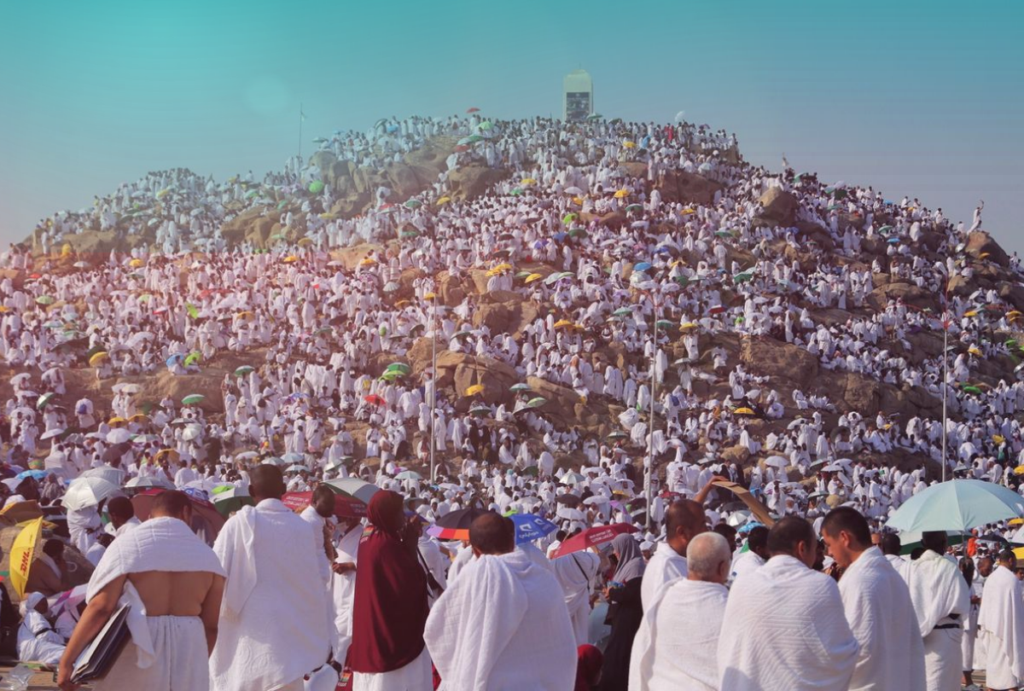
The Day of Arafah carries a special feeling.
It is a day when hearts soften, prayers increase, and believers turn sincerely to Allah (swt).
Across the world, millions make dua hoping for forgiveness, guidance, and mercy.
But Arafah is not only about receiving mercy.
It also teaches us the importance of showing mercy to others.
A Quranic reflection about mercy
Allah (swt) says:
“Indeed, the mercy of Allah is near to the doers of good.”
Surah Al-A’raf, Ayah 56
Arafah reminds us that Allah’s (swt) mercy surrounds us constantly – and one of the ways we seek that mercy is by helping people in need.
Mercy should lead to action
Compassion becomes meaningful when it turns into action.
Mercy can mean:
- Feeding a family during hardship
- Helping provide clean water
- Supporting orphaned children
- Assisting communities facing crisis
For many struggling families, your charity becomes a source of comfort and hope.
Mercy benefits everyone
One of the most beautiful lessons of Arafah is that mercy changes both the receiver and the giver.
The person receiving support feels relief and dignity. The person giving sincerely feels gratitude, peace, and closeness to Allah (swt).
That is the spiritual beauty of helping others during these sacred days.
A final reflection
On the Day of Arafah, millions raise their hands asking Allah (swt) for mercy.
This year, your generosity could become the answer to someone else’s dua.
FAQs
The Day of Arafah is one of the holiest days in Islam and is known for forgiveness, mercy, and accepted prayers.
Arafah teaches Muslims to seek Allah’s (swt)nmercy while showing compassion, generosity, and kindness toward others.
Muslims can give charity, support humanitarian causes, make dua, and care for vulnerable communities.
The Zahra Trust provides food aid, water projects, orphan support, emergency relief, and humanitarian assistance globally.
Good deeds during the Day of Arafah carry immense spiritual reward and reflect the mercy encouraged in Islam.
Muslims are encouraged to fast, make dua, seek forgiveness, recite Quran, remember Allah (swt), and help those in need.
More from Blog
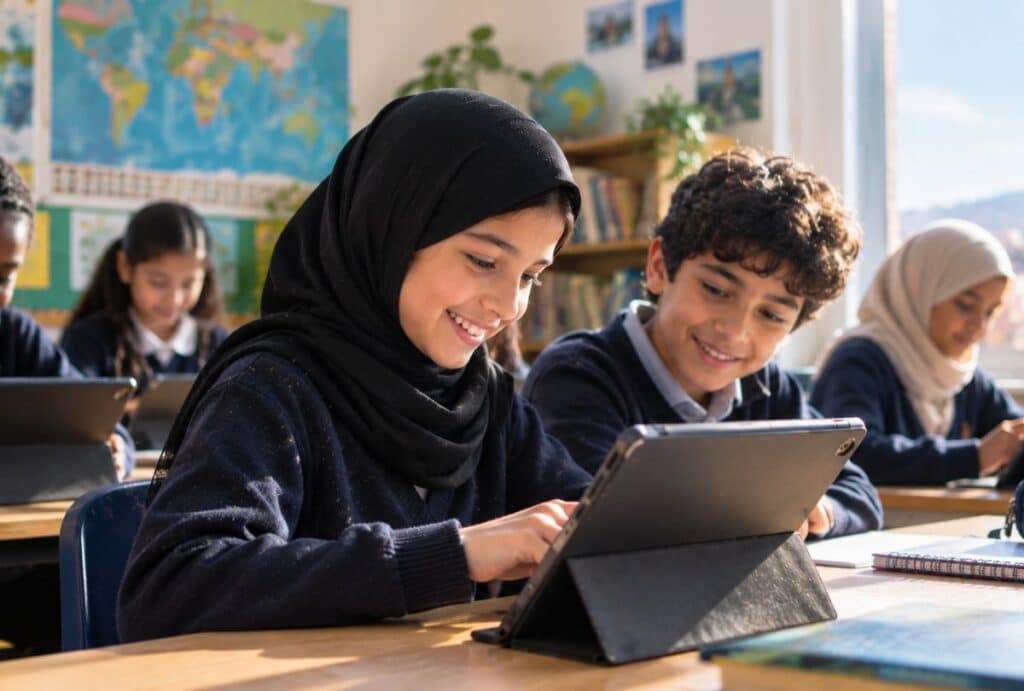
Bridging the Digital Divide Through Education
Explore how technology can make education more accessible and create equal learning opportunities for children. Support digital inclusion and help equip young…
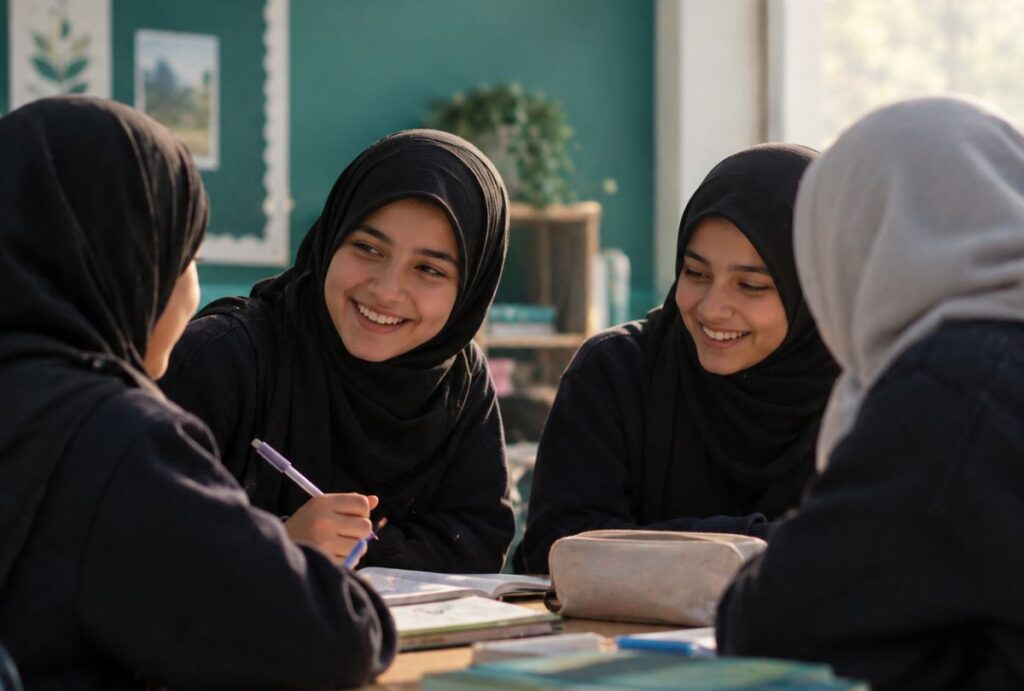
The Future Starts with Education
Help vulnerable children access education, technology and skills for a brighter future. Support The Zahra Trust with a Back to School gift…
Rebuilding Futures Through Education: Restoring Hope, Dignity and Opportunity
When communities experience crisis, the effects can continue long after the immediate hardship has passed. Conflict, poverty, and displacement can interrupt a…