
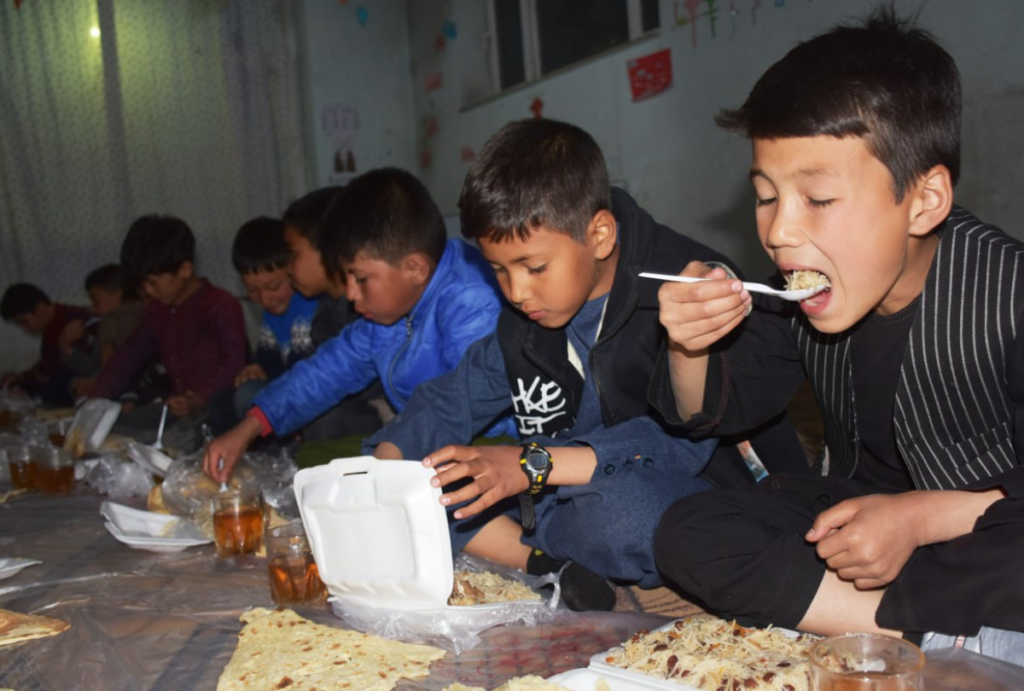
When people think about barriers to education, school fees are often the first challenge that comes to mind. Yet for millions of children around the world, the greatest obstacles are the hidden costs that surround education. These expenses and social pressures can quietly prevent children from ever stepping into a classroom or force them to leave school long before they complete their education.
From uniforms and transport to lost household income, these unseen barriers create difficult choices for families already living in poverty. Understanding these challenges is the first step towards helping children access the education they deserve.
Looking beyond school fees
In many countries, primary education is officially free. However, free education does not always mean education without cost.
Families are often expected to provide uniforms, shoes, books, stationery, school bags and transport. Some schools also require examination fees, parent association contributions or payments for extracurricular activities. Individually, these expenses may appear manageable, but together they can place an impossible burden on households with limited incomes.
For parents struggling to meet basic needs, these recurring costs compete with essentials such as food, rent and healthcare. As a result, education becomes another expense that many simply cannot afford.
The Holy Quran reminds believers of the importance of supporting those facing hardship:
This verse highlights that caring for vulnerable members of society extends beyond meeting immediate needs. It also includes helping create opportunities that restore dignity and hope for the future.
The hidden expenses families face
The financial burden of education extends far beyond tuition.
A child may need several sets of clothing suitable for school, writing materials, textbooks and a reliable way to travel each day. School lunches, educational trips and occasional fundraising activities can add further pressure throughout the year.
These expenses are rarely paid once. They continue throughout a child’s education, making it difficult for families to plan ahead, particularly when incomes are uncertain or seasonal.
For households with several children, difficult decisions often follow. Parents may prioritise one child’s education while another remains at home, not because they value education differently, but because their resources simply do not stretch far enough.
When education means losing income
For families experiencing extreme poverty, the greatest cost of education may not be money spent, but money lost.
Many children contribute to their household by working, caring for younger siblings, collecting water or helping with farming and family businesses. When they attend school, someone else must take on these responsibilities or the family loses an important source of income or labour.
This opportunity cost is one of the least visible barriers to education.
Parents often understand the long-term value of schooling. However, immediate survival can outweigh future possibilities. Choosing between today’s meal and tomorrow’s opportunity is an impossible decision that no family should have to make.
Reducing these pressures requires practical support that makes education a realistic option rather than an additional financial burden.
Poverty does not affect every child equally
Hidden costs often affect the most vulnerable children the hardest.
Girls may be expected to remain at home to care for siblings or complete domestic responsibilities. Families may also worry about safety if schools are far away or lack appropriate facilities.
Children living with disabilities may require accessible transport or specialised learning resources that many families cannot afford. Those from minority ethnic, linguistic or migrant communities can also face discrimination that discourages regular attendance.
These barriers often overlap, creating layers of disadvantage that make education increasingly difficult to access.
When only some children can attend school, existing inequalities become even deeper, limiting opportunities for future generations.
Barriers beyond money
Not every obstacle carries a price tag.
Long and unsafe journeys to school can discourage attendance, particularly for girls. Overcrowded classrooms, shortages of qualified teachers and limited learning materials can also reduce the quality of education children receive.
In areas affected by conflict or instability, schools may be damaged, temporarily closed or unsafe to attend. Families living through displacement and uncertainty may understandably place immediate survival ahead of education.
These challenges remind us that removing barriers to learning requires more than eliminating school fees. It involves creating environments where children can learn safely, consistently and with confidence.
Knowledge as a lasting investment
Education transforms lives because it equips children with knowledge that continues to benefit them throughout adulthood.
Imam Ali (as) is reported to have said, “Knowledge is indeed a good guide.” (Ghurar al-Hikam, n.837)
His words emphasise that knowledge provides direction and wisdom that extend far beyond the classroom. When children receive an education, they are better prepared to contribute positively to their families, communities and wider society.
Supporting education is therefore not simply about helping children attend school. It is about investing in their ability to build brighter futures with dignity and purpose.
Following the example of compassion
Throughout Islamic teachings, caring for those facing hardship is closely connected with creating opportunities for lasting wellbeing.
Providing food relieves hunger today. Helping a child access education can shape their future for years to come.
This reflects the broader Islamic understanding that compassion is not only about responding to immediate need but also about empowering people to flourish. By helping children overcome the practical barriers that keep them out of school, communities invest in lasting change that benefits generations.
Small acts of generosity can remove obstacles that once seemed impossible to overcome, allowing children to learn, grow and realise their potential.
Removing barriers, restoring opportunities
The hidden costs of education often remain invisible to those who have never faced them. A school uniform, a backpack, transport costs or a daily meal may appear ordinary, yet for many families they represent the difference between a child entering the classroom or staying at home.
Removing these barriers is about far more than providing school supplies. It is about restoring confidence, protecting dignity and giving every child the opportunity to learn, regardless of their circumstances.
Through your support, The Zahra Trust helps remove the barriers that poverty places in the path of education. Every child deserves to go back to school with dignity. By helping provide the essentials that make learning possible, you can help a child start the school year with confidence and create opportunities that can last a lifetime.
Frequently Asked Questions
What are the hidden costs of education?
Hidden costs of education are the expenses beyond tuition fees that families must cover, including uniforms, books, stationery, transport, meals, examination fees and other school-related costs that can make education unaffordable.
Why do children leave school if education is free?
Although tuition may be free, many families cannot afford the additional costs associated with attending school. Poverty, child labour, household responsibilities and safety concerns also contribute to children leaving education early.
How does poverty affect access to education?
Poverty forces families to prioritise immediate needs such as food, housing and healthcare. When education brings additional expenses or reduces household income, children are more likely to miss school or leave altogether.
Why are girls more likely to face barriers to education?
Girls may experience additional challenges including domestic responsibilities, concerns about safety during travel, limited sanitation facilities and cultural expectations that prioritise boys’ education.
How can communities help remove barriers to learning?
Communities can support children through scholarships, school supplies, transport assistance, school meal programmes, awareness campaigns and initiatives that make education safer and more accessible.
Why is supporting education important in Islam?
Islam places great importance on both seeking knowledge and caring for those in need. Supporting children’s education reflects these values by helping remove barriers that prevent young people from accessing opportunities to learn and thrive.
More from Blog
The Future Starts with Education
Help vulnerable children access education, technology and skills for a brighter future. Support The Zahra Trust with a Back to School gift…
Rebuilding Futures Through Education: Restoring Hope, Dignity and Opportunity
When communities experience crisis, the effects can continue long after the immediate hardship has passed. Conflict, poverty, and displacement can interrupt a…
From Backpack to Graduation: The Ripple Effect of Education
Learn how an education donation can help remove barriers to learning and support a child's journey from school towards adulthood. Donate today…