
What Can We Learn From Imam Zain Al‑Abideen (as) About Worship and Gratitude?
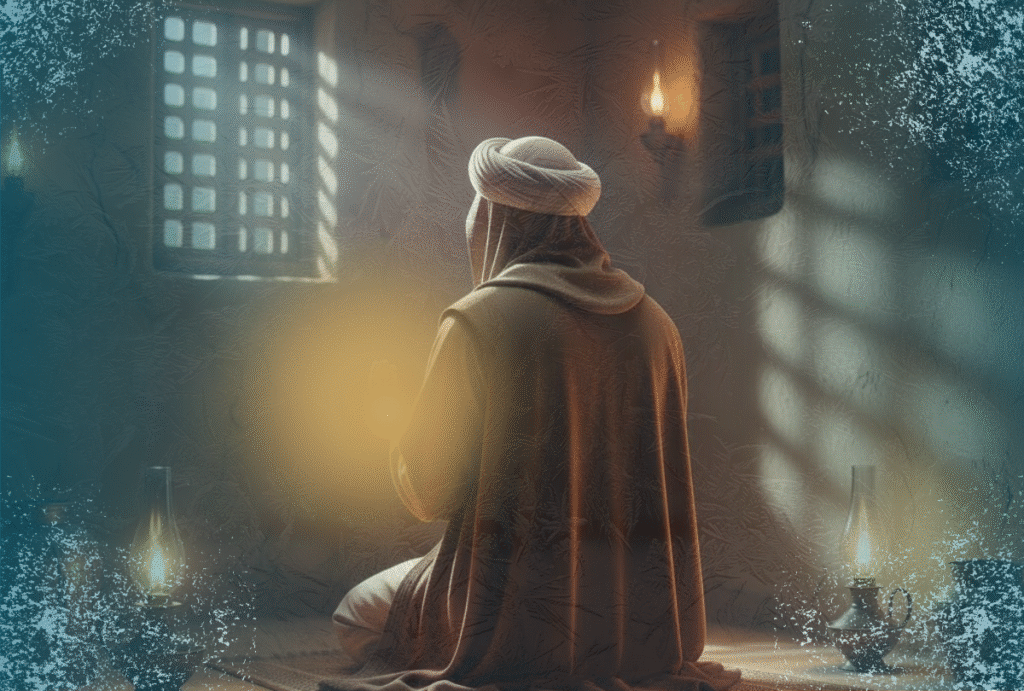
Imam Zain Al-Abideen (as) is honoured with the title “the ornament of the worshippers”, capturing his spiritual beauty, humility, and deep commitment to Allah (swt).
His life reminds us that true worship is not limited to rituals—it comes from a heart filled with gratitude and consciousness of Allah (swt)
“The most thankful among you to Allah is he who is most thankful towards people.” (Mizan Al-Hikmah, Hadith #1520)
So what lessons can Imam Zain Al-Abideen (as) offer us today about worship, compassion, and gratitude?
Are We Lost in Distraction and Forgetting Gratitude?
Our world moves fast—notifications, responsibilities, deadlines, and constant noise pull our attention in every direction.
We may pray.
We may fast.
We may recite duas.
Yet our hearts often wander.
Meanwhile, Imam Zain Al-Abideen (as) faced true hardship: the tragedy of Karbala, the loss of family, and ongoing oppression.
But despite all of this, his spirit never broke.
He turned hardship into devotion and gratitude, using every moment as a chance to remember Allah (swt).
He teaches us that worship is more than action—it’s the state of the heart: mindful, grateful, and connected.
How Can We Turn Ordinary Moments into Acts of Worship?
The devotion of Imam Zain Al-Abideen (as) was built on gratitude—deep, sincere, and constant.
His masterpiece, the Sahifa Sajjadiyah, offers beautiful duas filled with humility and love for Allah (swt).
In Dua 54, he begins by calling out:
“Reliever of worry! O Remover of grief!” (Dua 54, Sahifa Sajjadiyah)
Through this, he teaches us that every moment is an opportunity to reach for Allah (swt)—even moments of fear, pain, or uncertainty.
How Do We Live With Gratitude in Every Act of Worship?
Imagine if even the small, mundane parts of your day became acts of worship.
You can start with just a few simple steps:
- Begin your day with dhikr, recognizing your breath as a blessing.
- End the night by remembering three things you’re grateful for.
- When helping others, see it as serving Allah (swt) before anything else.
- During chores or commutes, hold the intention: “I do this for Allah (swt).”
This transforms your daily life into a journey of closeness, humility, and gratitude—reflecting the example of Imam Zain Al-Abideen (as).
Thanks to Your Compassion…
Your kindness turns mercy into action and gratitude into lived worship.
Together, we honor the legacy of Imam Zain Al-Abideen (as)—a legacy rooted in devotion, gratitude, and service.
May we follow his example, finding worship in every breath and gratitude in every moment.
FAQ
Who was Imam Zain Al-Abideen (as) and why is he known for worship?
He is the fourth Imam of the Ahlulbayt (as), the great-grandson of Prophet Muhammad (saww), and known for his devotion and profound spiritual supplications.
What did Imam Zain Al-Abideen (as) teach about gratitude?
He taught that gratitude is central to worship. In the Sahifa Sajjadiyah, he expresses profound thanks to Allah (swt) not only for blessings, but for the ability to recognize them.
How can I apply his teachings in daily life?
Begin your day with dhikr
Practise daily gratitude
Serve others with sincerity
Make intention part of every action
Is gratitude only about saying “Alhamdulillah”?
No—true gratitude includes action, using your blessings to help others and serve Allah (swt).
What is the Sahifa Sajjadiyah?
It is a celebrated collection of duas from Imam Zain Al-Abideen (as), sometimes called the “Psalms of Islam,” offering guidance on spiritual growth, reflection, and mindfulness.
More from Blog
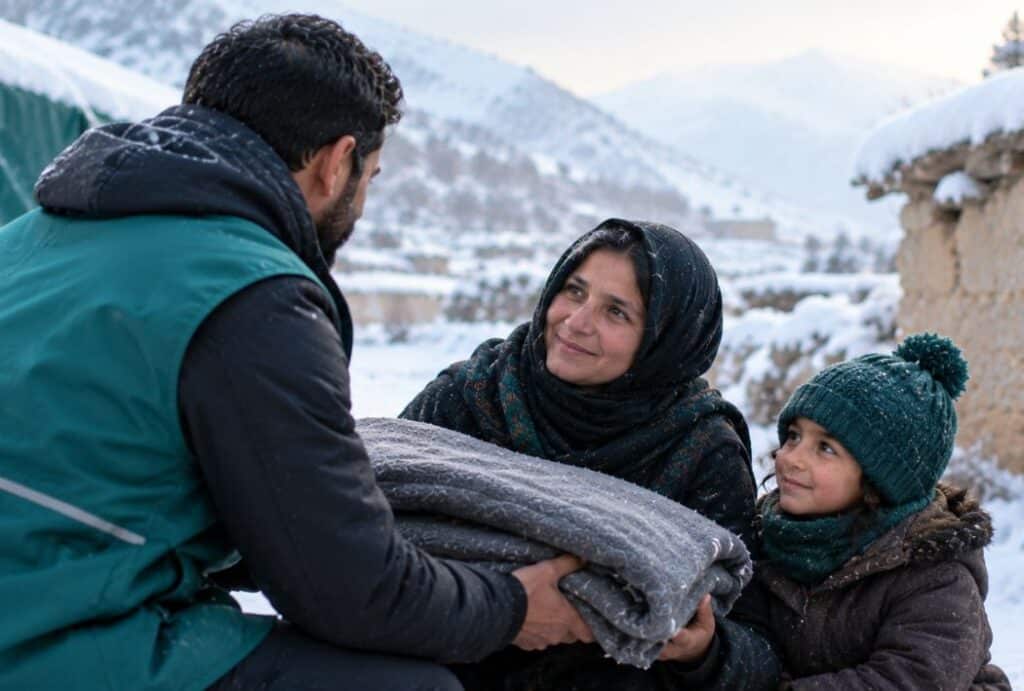
The Everyday Things We Take for Granted in the Winter
From a warm home to dry clothes and a hot meal, discover the everyday winter comforts we often take for granted and…
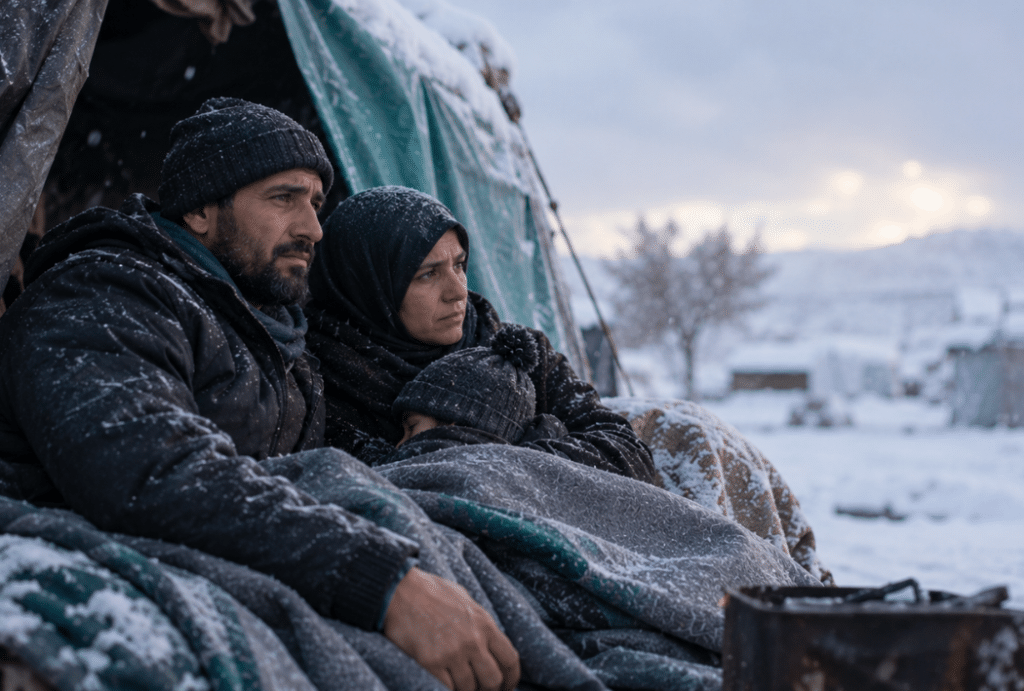
7 Everyday Things That Become Harder When Winter Arrives
Discover how winter can make everyday life harder for families already facing hardship, from staying warm and accessing food to travelling, learning…
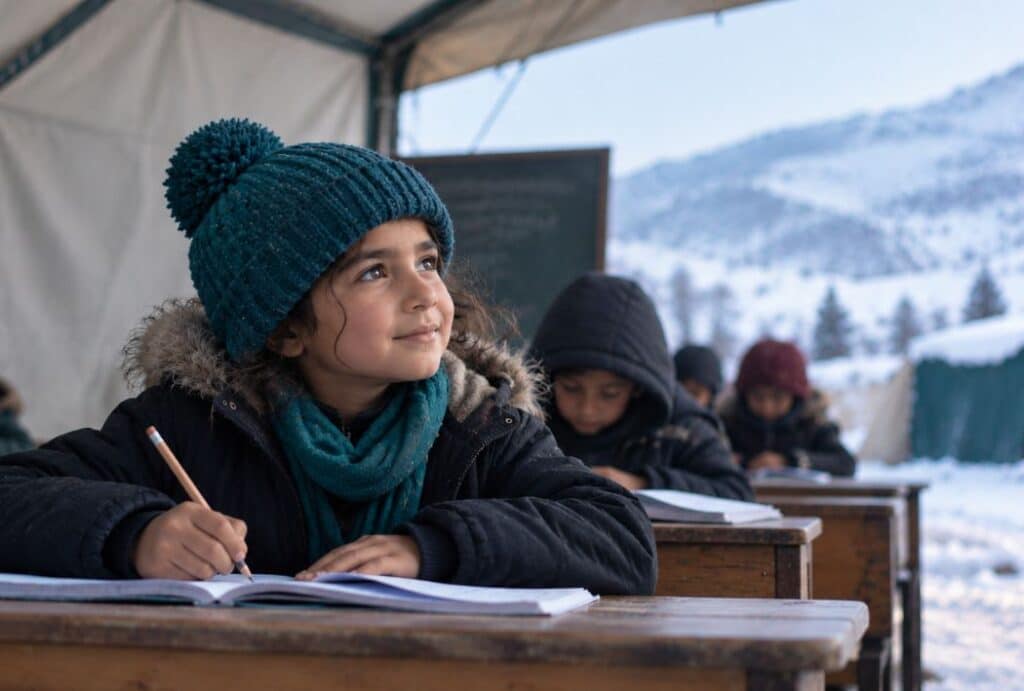
What Prolonged Hardship Can Take Away From a Child
Discover how prolonged hardship can affect a child's routine, education, safety and sense of stability, and why protecting childhood matters in humanitarian…