
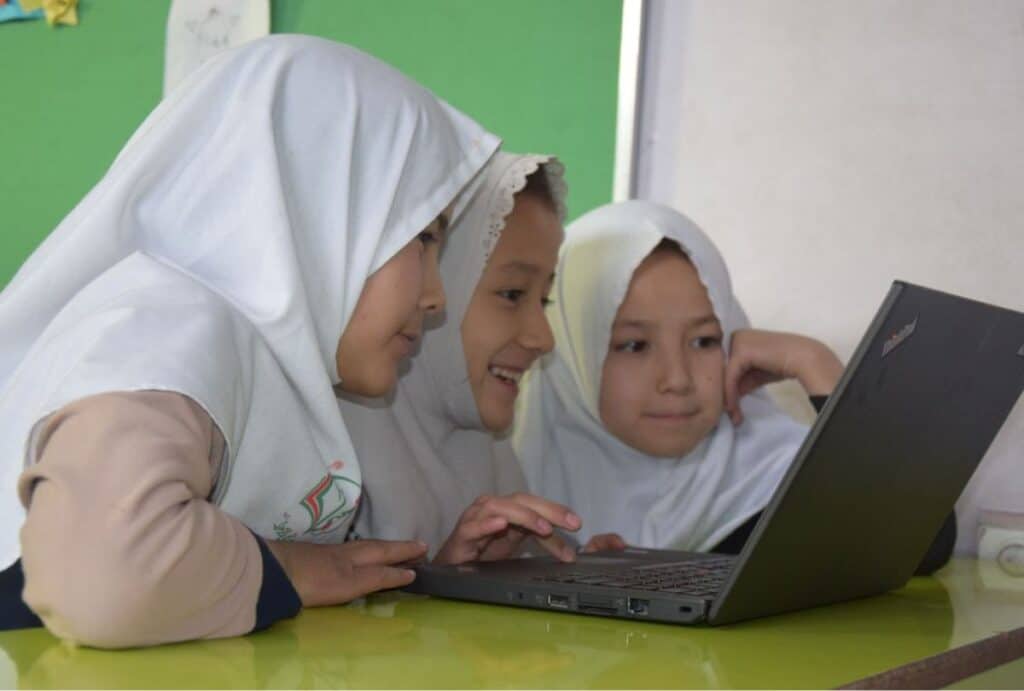
Every child deserves the chance to grow up feeling safe, learn new things, build friendships, and imagine a future full of possibilities.
These things may sound simple, but they depend on more than a child’s determination. Children need safe homes, nutritious food, access to education, health care, supportive relationships, and opportunities to discover what they can achieve.
When families face poverty, conflict, or displacement, meeting these needs can become much harder. A child may miss school because their family has had to move. They may lack a quiet place to study, struggle to access health care, or spend their days worrying about things that should never be their responsibility.
For World Children’s Day, it is worth asking an important question: what does every child need not just to survive, but to thrive?
Every Child Needs to Feel Safe
Feeling safe is one of the foundations of childhood. Children need protection from violence, abuse, neglect, and exploitation. They also need reliable adults who listen to them, care for them, and help them navigate difficult experiences.
Safety is not limited to what happens inside the home. Children need safe communities, suitable places to play, and learning environments where they can develop without fear.
For children affected by conflict or displacement, these conditions can be disrupted. Families may be forced to leave their homes, familiar support networks may be separated, and access to essential services can become uncertain.
Humanitarian emergencies can expose children to additional protection risks, making safe shelter, child protection services, and appropriate support especially important.
Every child deserves to feel protected, valued, and cared for, regardless of where they live or the circumstances they were born into.
Every Child Needs Access to Education
Education gives children more than knowledge. It can provide routine, confidence, friendships, and a sense of possibility.
In the classroom, children learn to read, write, solve problems, and understand the world around them. They also discover their interests, develop social skills, and begin to imagine what their future might look like.
But education is not equally accessible to every child.
Poverty can make school supplies, transportation, and other learning essentials difficult to afford. Conflict and displacement can interrupt schooling, while damaged schools, shortages of teachers, and limited learning resources can create further barriers.
UNESCO identifies education as an important source of continuity, structure, and protection during emergencies. When children can continue learning through difficult circumstances, they have a better chance of maintaining progress and working toward future opportunities.
Access to quality education should not depend on a child’s family income, nationality, or circumstances. Every child deserves the opportunity to learn.
Every Child Needs the Essentials for Healthy Living
Children cannot thrive when their basic needs go unmet.
Nutritious food supports growth and development. Clean water and sanitation help protect health. Access to health care allows children to receive treatment and support when they need it. Safe, suitable housing gives them somewhere to rest, learn, and feel secure.
When families struggle to afford these essentials, the effects can reach every part of a child’s life. Hunger can make it harder to concentrate at school. Illness may interrupt learning and play. Overcrowded or inadequate housing can leave children without the space and stability they need.
These challenges often overlap. A family experiencing financial hardship may be struggling with food costs, rent, heating, and medical expenses at the same time.
Humanitarian assistance can help families access essential supplies and services during difficult periods. While emergency support cannot solve every underlying problem, it can help relieve immediate pressure and protect children’s well-being.
Every Child Needs Stability and Support
Children benefit from having familiar routines and people they can rely on.
Knowing where they will sleep, when they will eat, and whether they can attend school can provide a sense of stability. Supportive relationships with parents, caregivers, teachers, and other trusted adults can help children feel understood and encouraged.
But when families experience displacement, loss, or prolonged hardship, these routines may become difficult to maintain.
A child may have to adjust to a new home, a different school, or the absence of familiar friends and relatives. Uncertainty can affect their sense of security and make it harder to focus on everyday childhood experiences.
Not every child responds to hardship in the same way, and children should not be defined by the difficulties they face. With appropriate care, stable relationships, and access to support, children can continue learning and developing even during challenging circumstances.
Helping families meet their basic needs is one way to support that stability.
Every Child Needs the Opportunity to Be a Child
Childhood should include time to play, explore, ask questions, make friends, and discover new interests.
Play is not simply a way to pass the time. It helps children develop creativity, communication, problem-solving skills, and relationships with others. It also gives them space to express themselves and enjoy their surroundings.
Yet prolonged hardship can leave little room for these experiences. When daily life revolves around finding food, securing shelter, or coping with uncertainty, opportunities for play and exploration can become limited.
Children should not have to carry the weight of adult worries. They deserve the chance to learn, grow, make mistakes, and discover their potential in environments that support their development.
Creating these opportunities means looking beyond immediate survival and recognizing the wider conditions children need to flourish.
How Can We Help Children Thrive?
Supporting children means supporting the families and communities around them.
Access to food, safe shelter, health care, education, and essential supplies can help families meet children’s immediate needs. Longer-term support can also help create opportunities for children to continue learning, build confidence, and work toward a more secure future.
In humanitarian settings, this may mean helping families affected by displacement access essential assistance, supporting children’s education, or strengthening the services that protect their well-being.
Every child deserves more than the chance to get through another day. They deserve the opportunity to grow up with safety, dignity, and hope.
A Responsibility We Share
The Qur’an reminds us of the importance of caring for those who are vulnerable:
“It is not righteousness (al-birr) to turn your faces towards the east or the west, but righteousness is (that one should) believe in Allah (swt)…(and) give away wealth for the love (of Allah) to the near of kin, the orphans, the needy, the stranded traveller, the beggars…” (Qur’an 2:177)
This verse connects faith with compassion and practical care for others. Supporting children and families in need is one way to put those values into action.
For World Children’s Day, let us remember that every child deserves the opportunity to feel safe, receive an education, live in healthy conditions, and build a future filled with possibility.
Support The Zahra Trust and help provide humanitarian assistance to families facing hardship.
Frequently Asked Questions
What does every child need to thrive?
Children need safety, nutritious food, clean water, health care, education, suitable living conditions, supportive relationships, and opportunities to play and develop. These needs work together to support children’s health, learning, and well-being.
Why is education important for children’s development?
Education helps children develop knowledge, skills, confidence, and social connections. It can also provide structure and stability during difficult circumstances, helping children continue learning and work toward future opportunities.
How does poverty affect children?
Poverty can make it harder for families to access nutritious food, safe housing, health care, school supplies, and other essentials. These pressures can affect children’s health, education, and sense of stability.
How does conflict affect children’s well-being?
Conflict can force families to leave their homes, interrupt schooling, restrict access to essential services, and expose children to safety risks. Humanitarian assistance can help families meet urgent needs and support children’s protection and development.
How can I help children affected by hardship?
You can support humanitarian organizations working to provide essentials such as food, shelter, education support, and other assistance to vulnerable families. Supporting children also means helping create the conditions they need to grow and thrive.
More from Blog
Why Does Hunger Make You Feel Colder?
Discover why hunger can make you feel colder, how nutrition helps the body stay warm, and why access to food matters even…
How Does Prolonged Hardship Affect a Child’s Education?
Learn how displacement, poverty and prolonged hardship disrupt children's education, and how humanitarian support can help them continue learning.
How Does Winter Aid Reach a Family?
Ever wondered how winter aid reaches families in need? Follow the journey from identifying need and preparing supplies to distribution with The…