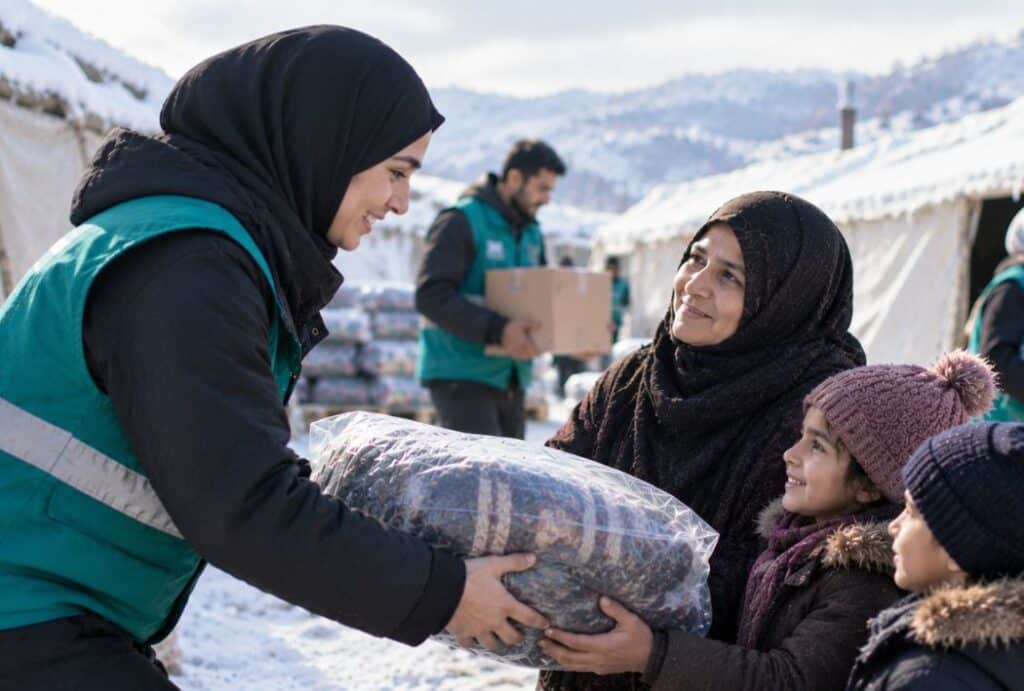
When we donate winter aid, it can be easy to picture the final moment: a family receiving food, blankets, warm clothing or fuel as temperatures fall.
But there is a lot that happens before that moment.
For a family facing a harsh winter, aid does not simply appear at their door. It begins with understanding what they need, planning how best to provide it, sourcing and preparing supplies, and working with people on the ground to make sure support reaches them safely and with dignity.
So, how does winter aid actually reach a family?
It Starts With Understanding the Need
The first step is knowing who needs help and what kind of help will make the greatest difference.
The Zahra Trust works with trusted local partners, volunteers and on-the-ground teams to assess needs in communities affected by poverty, displacement, conflict and other crises. This helps ensure that support reflects the reality families are facing rather than simply sending whatever aid is available.
In winter, that need can look very different from one family to another.
One household may need fuel to heat their home. Another may need blankets and warm clothing. A displaced family living in temporary accommodation may need food, heating support or shelter assistance.
That is why winter aid begins with listening.
Deciding What Winter Aid Is Needed
Once needs have been identified, the next step is planning how they can be met.
The Zahra Trust’s winter programmes have included essentials such as food, heating fuel, blankets, warm clothing, winter coats, shoes and shelter support. In previous winter campaigns, support has also included heating systems and assistance with energy costs.
The aim is simple: provide practical support that helps families stay warm, fed and safe through the coldest months.
But deciding what to provide is only part of the process.
Projects also go through internal and external review, financial and logistical checks, and Islamic ethical considerations before they are launched.
This matters because every donation represents someone’s trust.
From Planning to Procurement
Once a winter project has been approved, the practical work begins.
Supplies need to be sourced, prepared and made ready for distribution. Where appropriate, The Zahra Trust has used local purchasing for aid supplies. Its published reports describe food parcels being prepared using locally sourced staple foods, supporting both the families receiving aid and local suppliers and communities.
For winter aid, this can mean preparing food parcels, sourcing warm clothing and blankets, arranging heating supplies or organizing other forms of seasonal support according to what families in that area actually need.
Local knowledge is important here too.
What works in one country may not be suitable in another. Winter conditions, fuel availability, housing, transportation and local markets can all be different.
The goal is not simply to send aid.
It is to provide the right aid, in the right place, at the right time.
Preparing Aid for Distribution
Once supplies are available, they need to be organized and prepared for families.
The Zahra Trust has established local operational sites that can be used to store, pack and distribute aid. At its Project 470 site in Iraq, for example, aid is stored and prepared for distribution, including family food parcels and other forms of support.
This stage may not be visible to donors, but it is an important part of turning a donation into something practical.
A donation becomes a food parcel.
A donation becomes a warm blanket.
A donation becomes heating support for a cold home.
And eventually, it becomes something a family can actually use.
Getting Winter Aid to Families
Distribution is where all the planning finally reaches the people it was intended to support.
Local teams and partners coordinate the practical side of getting aid to communities. Depending on the programme and circumstances, families may receive support through distribution points, community centres or direct assistance.
The Zahra Trust has described working with local partners and teams to coordinate delivery while taking account of local customs, accessibility, logistics, dignity and safety.
That last part is especially important.
Winter aid should never make someone feel like a number.
Behind every parcel is a family with its own circumstances, worries and hopes. The purpose of humanitarian assistance is not only to provide something they need, but to remind them that they have not been forgotten.
Why Winter Aid Needs to Arrive Before It Is Too Late
Cold weather can turn difficult living conditions into dangerous ones.
For families already struggling with poverty, displacement or inadequate housing, the winter months can mean higher heating costs, food insecurity and increased health risks.
This is why winter appeals often begin before the coldest part of the season.
The Zahra Trust has previously provided winter support before severe conditions set in, including heating, warm clothing, shelter and other essentials.
The earlier needs can be identified, supplies prepared and support delivered, the more effectively families can prepare for the months ahead.
What Does Islam Teach Us About Helping Those in Need?
Islam places great importance on caring for others.
“Those who spend their wealth by night and by day, secretly and openly, for them is their reward with their Lord, and they shall have no fear, nor shall they grieve.” (Qur’an 2:274)
Winter aid is one way we can turn this responsibility into action.
A warm blanket might seem simple.
A food parcel might seem small.
A contribution towards heating might seem like one ordinary act of charity.
But for someone facing a freezing night without enough warmth or food, that support can mean everything.
Your Donation Can Become Someone’s Winter Warmth
When you give to winter aid, you may never meet the person your donation helps.
You may never see the home they live in or know what their winter has looked like.
But behind every successful delivery is a chain of people, decisions and actions: someone identifies a need, a project is reviewed, supplies are sourced, aid is prepared, local teams coordinate distribution, and eventually a family receives the support they need.
That is how charity becomes action.
And that is how your generosity can reach someone who needs it most.
Your donation can help turn a cold winter into a little more warmth, security and hope.
Frequently Asked Questions
What is winter aid?
Winter aid is humanitarian support provided to vulnerable families during the colder months. It can include food, blankets, warm clothing, heating fuel, heating equipment and shelter support.
Who receives winter aid?
Winter aid can support displaced families, low-income households, widows, orphans and other vulnerable people living in areas where cold weather creates additional risks.
How does The Zahra Trust decide who needs winter aid?
The Zahra Trust works with local partners, volunteers and on-the-ground teams to assess needs and identify where support is most urgently required.
What does winter aid include?
Depending on local needs, winter support can include food, fuel, blankets, warm clothing, coats, shoes, heating systems and shelter assistance.
Does The Zahra Trust buy aid locally?
Where appropriate, The Zahra Trust has used local purchasing for aid supplies. Its published reports have specifically documented locally sourced food for family parcels, helping local suppliers as well as the people receiving assistance.
How does The Zahra Trust make sure donations are used responsibly?
Proposed projects go through financial, logistical and ethical review before launch. The Trust also provides progress updates and final reporting, including photographs and videos where safe and appropriate.
How can I support winter aid?
You can support The Zahra Trust’s Winter Appeal by making a donation towards winter relief. Your contribution can help provide essential support such as food, warmth and winter clothing to families facing difficult conditions.
More from Blog
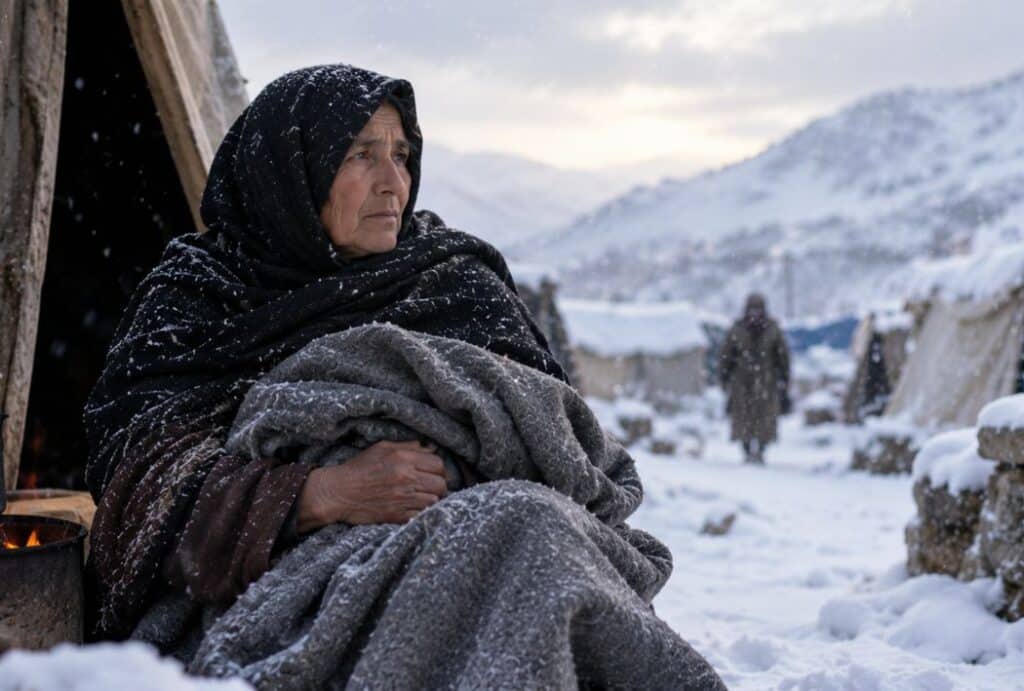
When Does Winter Become a Humanitarian Issue?
When does winter become a humanitarian issue? Learn how freezing temperatures can put vulnerable families at risk, and how winter aid can…

Why Did the Prophet (saww) Call Fatima (sa) “A Part of Me”?
Discover why Prophet Muhammad (saww) called Sayyida Fatima (sa) “a part of me” and what his words teach us about love, faith…
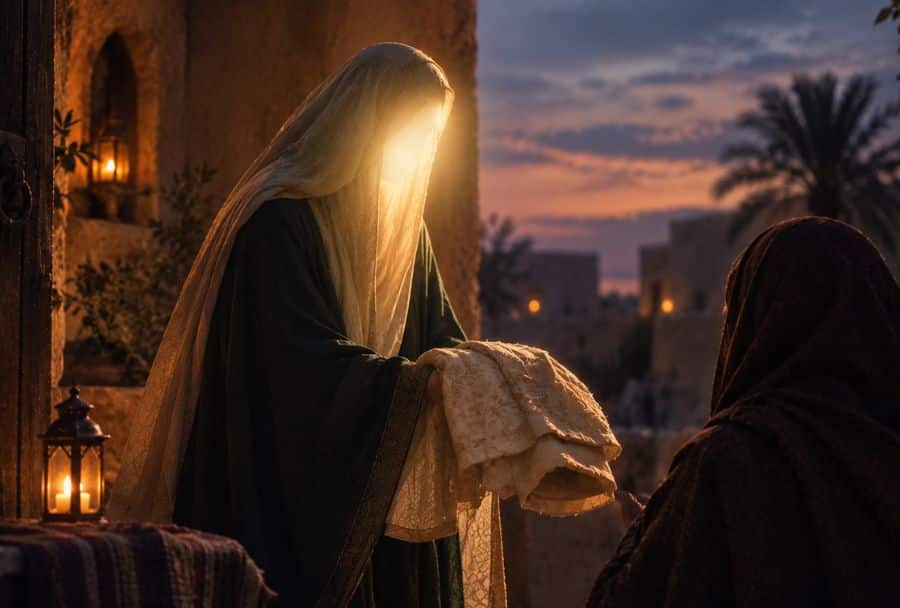
The Story of Sayyida Fatima (sa) and Her Wedding Dress
Discover the story of Sayyida Fatima (sa) giving away her wedding dress and what this beautiful example teaches us about generosity, sacrifice…