Honesty is the light that guides both faith and community.
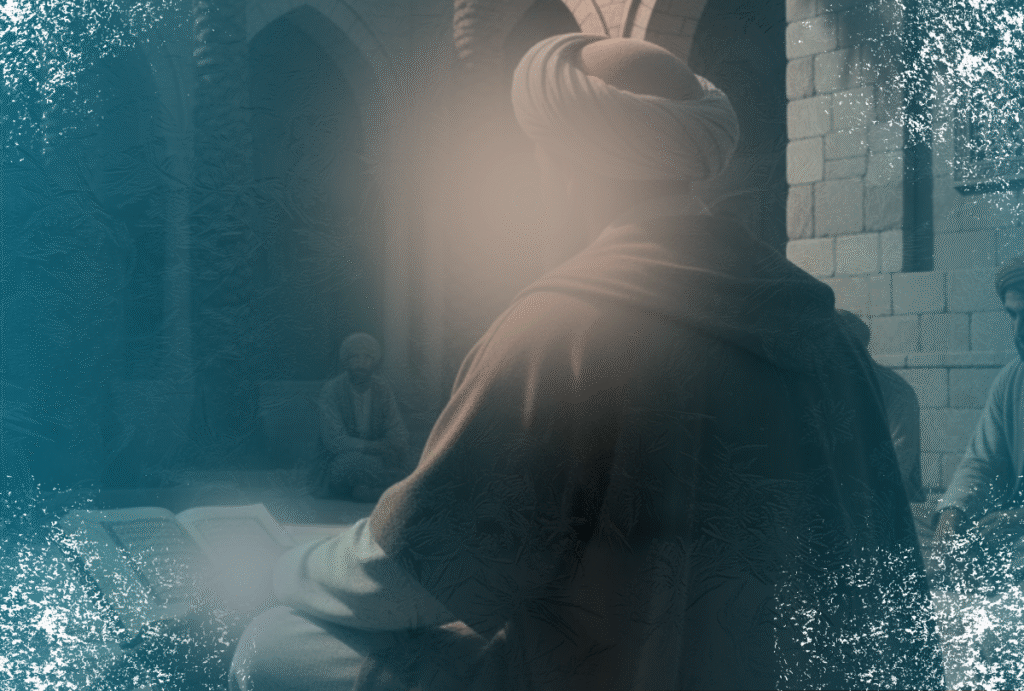
Imam Ja’far al-Sadiq (as) teaches us:
“One who seeks truth will be closer to Allah…”
For Imam al-Sadiq (as), honesty was a lifelong practice. In a world clouded by mistrust and deceit, his guidance reminds us that sincerity is the heart of faith—and that sincere actions can turn compassion into hope.
A World Weary of Mistrust
Betrayal leaves deep wounds. Dishonesty divides communities and weakens the Ummah. Imam al-Sadiq (as), living through unrest and uncertainty, never abandoned truth.
His honesty rebuilt trust, healed relationships, and strengthened communities.
How Do We Live a Truthful Life?
Truthful words create peace. Integrity builds trust. Imam al-Sadiq (as) taught that even the smallest honest act reflects faith.
At The Zahra Trust, honesty guides everything we do—from transparent aid delivery to honouring human dignity. Truthfulness isn’t just a policy. It’s a promise.
The Story of Us: Faith in Action
With your support, The Zahra Trust stands as a movement of trust and compassion. Each life touched reflects honesty rooted in the teachings of the Ahlulbayt (as).
Share this reflection and carry Imam al-Sadiq’s (as) lesson into daily life.
FAQ
What does Imam al-Sadiq (as) say about honesty?
Imam Ja’far al-Sadiq (as) taught that honesty is essential to faith, saying: “One who seeks truth will be closer to Allah.” Truthfulness, therefore, is both a moral and spiritual duty.
Why is honesty important in Islam?
Honesty reflects a believer’s relationship with Allah (swt). The Qur’an and the Ahlulbayt (as) emphasize truthfulness as the foundation of trust, justice, and unity within families and communities.
How can I practice honesty in daily life?
By being truthful in speech, fair in dealings, and trustworthy in responsibility—even in small matters. Everyday honesty builds spiritual integrity and strengthens society.
What is the connection between honesty and faith?
In Islam, honesty is an expression of belief. A truthful person reflects sincerity toward Allah (swt) and commitment to Islamic values.
How does The Zahra Trust embody honesty?
The Zahra Trust operates with transparency, sincerity, and accountability—values rooted in the teachings of the Ahlulbayt (as)—ensuring dignity for both donors and beneficiaries.
More from Blog
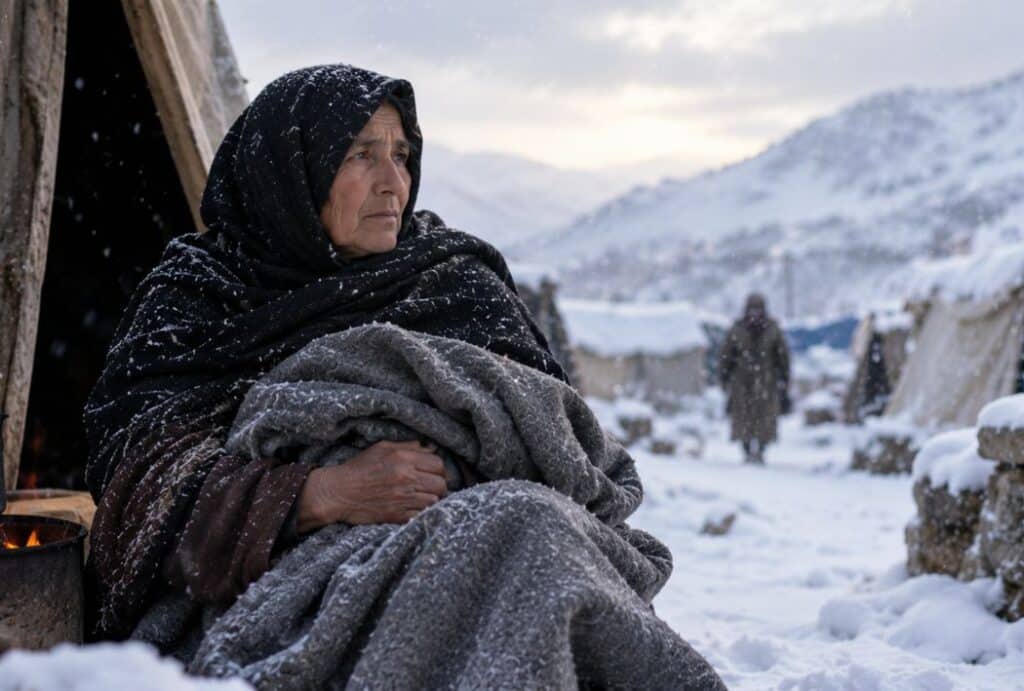
When Does Winter Become a Humanitarian Issue?
When does winter become a humanitarian issue? Learn how freezing temperatures can put vulnerable families at risk, and how winter aid can…

Why Did the Prophet (saww) Call Fatima (sa) “A Part of Me”?
Discover why Prophet Muhammad (saww) called Sayyida Fatima (sa) “a part of me” and what his words teach us about love, faith…
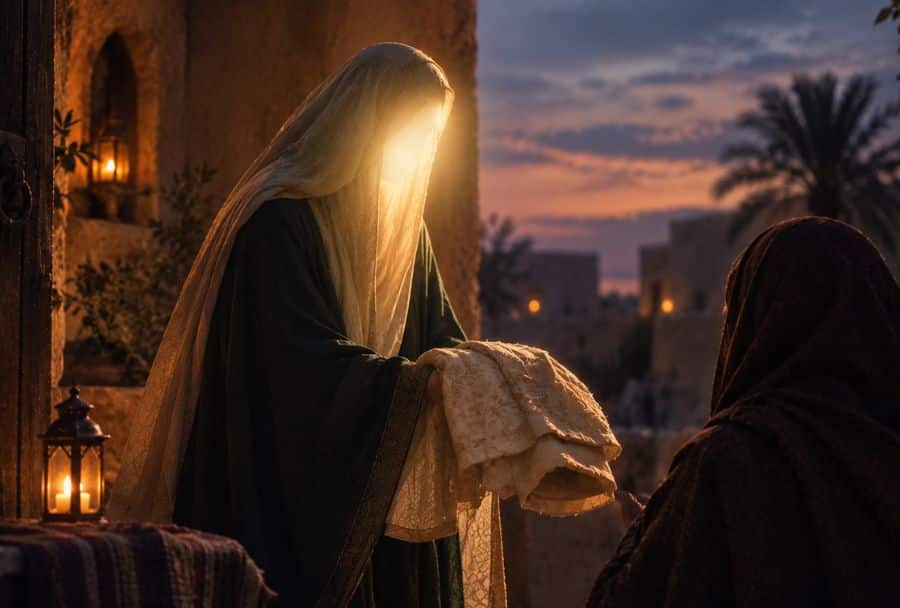
The Story of Sayyida Fatima (sa) and Her Wedding Dress
Discover the story of Sayyida Fatima (sa) giving away her wedding dress and what this beautiful example teaches us about generosity, sacrifice…