
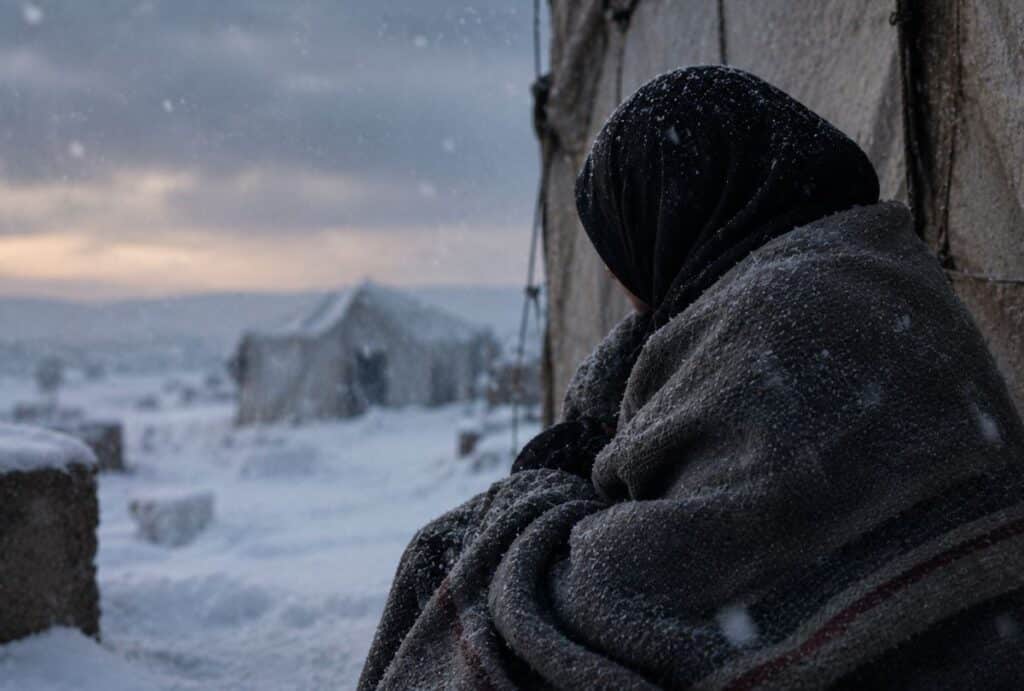
When the temperature drops, our bodies begin working to keep us warm. We might pull our coat tighter, tuck our hands into our pockets, or start shivering without even thinking about it.
These are normal responses to cold. But what happens when the cold continues and the body struggles to keep its temperature stable?
Understanding how the body responds to cold helps explain why warm clothing, safe shelter, and adequate heating are so important during winter. For people who cannot afford these essentials, cold weather can become more than an inconvenience. It can pose a real risk to their health.
How Does Your Body Respond to Cold?
The human body works continuously to keep its internal temperature within a healthy range. When we become cold, it activates several responses to reduce heat loss and produce more warmth.
1. Your Blood Vessels Narrow
When temperatures fall, blood vessels close to the surface of your skin narrow. This is known as vasoconstriction.
By reducing blood flow near the skin, the body helps conserve heat around its vital organs. This is why your hands, feet, fingers, and toes can feel particularly cold.
Although this response helps preserve warmth, prolonged exposure to cold can still affect the body, especially when you are not adequately dressed or sheltered.
2. You Start to Shiver
Shivering is another way the body tries to stay warm. Your muscles contract and relax rapidly, producing heat as they work.
You usually cannot control this response, and it is an important signal that your body is trying to compensate for falling temperatures.
If you are shivering persistently, it is a sign to get somewhere warmer, put on dry layers, and reduce further exposure to the cold.
3. Your Body Uses Energy to Stay Warm
Maintaining a stable internal temperature requires energy. When you are cold, your body may use more energy to produce heat.
Food provides the energy needed for essential bodily functions, while adequate nutrition supports general health. Someone who is undernourished may be more vulnerable to the effects of cold, particularly if they are also living in an inadequately heated home or spending long periods outside.
These responses can help the body cope with cold, but they cannot protect us indefinitely.
When Does Being Cold Become Dangerous?
Feeling cold does not automatically mean you are in danger. However, if your body continues losing heat faster than it can replace it, your core temperature can begin to fall.
Two important cold-related conditions are hypothermia and frostbite.
What Is Hypothermia?
Hypothermia happens when the body’s core temperature falls below 35°C. It is a medical emergency.
It can develop after prolonged exposure to cold weather, but it can also happen in cooler conditions if someone becomes wet from rain, sweat, or cold water.
Early warning signs can include:
- Persistent shivering
- Feeling very tired or weak
- Cold, pale skin
- Clumsiness or difficulty using your hands
- Slurred speech
- Confusion or unusual drowsiness
As hypothermia progresses, a person’s judgement and coordination can deteriorate. Shivering may eventually stop, which is not necessarily a sign that they have warmed up.
If you suspect hypothermia, seek emergency medical help immediately.
What Is Frostbite?
Frostbite is an injury caused by freezing of the skin and underlying tissues. It most commonly affects exposed areas such as the fingers, toes, nose, ears, and cheeks.
Signs can include numbness, pale or greyish-yellow skin, and skin that feels unusually firm or waxy.
Frostbite can cause lasting tissue damage, so it should be taken seriously. Seek urgent medical advice if you suspect it. Do not rub the affected area or use direct heat, such as a radiator or hot water bottle, to warm it.
Who Is Most Vulnerable to the Cold?
Cold weather does not affect everyone in the same way. Babies, older people, and those with certain health conditions may have greater difficulty maintaining a safe body temperature.
People who are undernourished, living with inadequate heating, or unable to access suitable clothing may also face increased risks.
The conditions in which someone lives matter, too. A person may be indoors but still struggle to stay warm if their home is poorly insulated, damp, or too expensive to heat.
Cold can also place additional strain on the body. It may worsen some respiratory conditions and increase cardiovascular risks, including the risk of heart attacks and strokes.
This is why winter health is not only about surviving extreme weather. It is also about having the everyday essentials that help people remain warm and well.
Why Warmth and Shelter Matter During Winter
For many families, staying warm is not simply a matter of putting on another layer.
The cost of heating, warm clothing, food, and other essentials can place pressure on already stretched household budgets. Some people may have to limit their heating, while others may live in homes that cannot keep the cold out.
When these difficulties continue, cold weather can become especially challenging for people who are already vulnerable.
Access to warm clothing, dry bedding, safe shelter, adequate heating, and nutritious food can help reduce exposure to cold and support people’s well-being. These are basic needs, but they are not always within everyone’s reach.
Humanitarian winter assistance can help address some of these gaps by providing practical essentials to people facing hardship.
How Can We Help People Facing the Cold?
We may not always see the effects of cold weather on the people around us. A family might be keeping its heating off to afford food, or someone might be going without a warm coat because other household expenses come first.
Recognizing these challenges helps us understand why winter support matters.
A warm blanket, suitable clothing, or help with essential supplies may seem simple, but these things can make a meaningful difference when people are facing difficult winter conditions.
A Reminder to Care for One Another
The Qur’an reminds us of our responsibility to care for others:
“And they give food, in spite of love for it, to the needy, the orphan, and the captive.” (Qur’an 76:8)
Although this verse speaks specifically about giving food, it reflects an important principle: caring for others means recognizing their needs and responding with compassion.
During winter, that care can include helping people access food, warm clothing, shelter, and other essentials.
Support The Zahra Trust and help provide humanitarian assistance to people facing hardship.
Frequently Asked Questions
What happens to your body when you get too cold?
Your blood vessels narrow to conserve heat, and your muscles may shiver to produce warmth. If you continue losing heat faster than your body can replace it, your core temperature may fall, potentially leading to hypothermia.
What are the first signs of hypothermia?
Early signs can include shivering, tiredness, clumsiness, and difficulty using your hands. Confusion, slurred speech, and unusual drowsiness are serious warning signs that require urgent medical attention.
Can you get hypothermia indoors?
Yes. Hypothermia can develop in a cold home, particularly when someone does not have adequate heating, warm clothing, or bedding. Babies, older people, and people with certain health conditions may be especially vulnerable.
What is the difference between hypothermia and frostbite?
Hypothermia affects the body’s core temperature and can interfere with the brain and other vital functions. Frostbite is freezing injury to the skin and underlying tissues, most often affecting the fingers, toes, nose, and ears.
How can you protect yourself from the cold?
Wear warm, dry layers, cover exposed skin, change out of wet clothing, and seek shelter when you become persistently cold. Keeping your home adequately heated and eating enough nutritious food can also help support your well-being.
How can I help people affected by winter hardship?
You can support winter relief campaigns and humanitarian organisations providing essentials such as warm clothing, blankets, heating support, and food assistance to people who need them.
More from Blog
What Does Every Child Need to Thrive?
Discover what children need to thrive, from safety and education to healthy living conditions and opportunities to grow. Learn how humanitarian support…
Why Does Hunger Make You Feel Colder?
Discover why hunger can make you feel colder, how nutrition helps the body stay warm, and why access to food matters even…
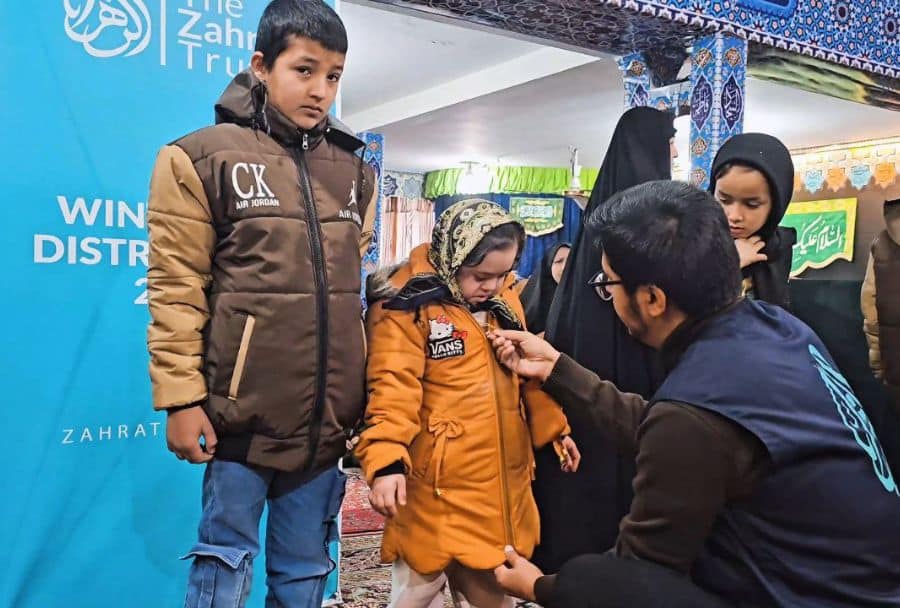
Reaching the Hardest-to-Reach Communities with Winter Aid
Discover how The Zahra Trust delivered winter aid to remote and vulnerable communities, supporting thousands of people with food, warmth and essential…