

Change doesn’t start with grand gestures.
It starts when someone is finally given a fair chance.
For millions around the world, poverty isn’t caused by a lack of effort — it’s caused by exclusion.
No access to banks. No safety net. No room for error. One setback can erase years of hard work.
Microfinance exists to restore balance.
By providing small loans and financial tools, microfinance helps families manage risk, recover from shocks, and build steady livelihoods. It strengthens people before crisis takes over.
This matters because instability spreads quickly. A health issue can become a tragedy. A lack of clean water can drain productivity for generations.
Without financial options, families are forced into impossible choices.
Microfinance offers another path — one rooted in trust. It treats people as partners, not problems. And that trust has ripple effects.
Parents keep children in school. Widows rebuild with dignity. Communities grow more resilient, teaching the next generation that hardship doesn’t have to define them.
At its heart, microfinance aligns with a deeply Canadian value: shared responsibility. When resources circulate fairly, everyone benefits. And when people are empowered to act, change becomes sustainable.
Microfinance doesn’t just support individuals.
It reshapes futures — quietly, respectfully, and for the long term.
FAQ
What is microfinance?
Financial services for people who don’t have access to traditional banking.
How does it help reduce poverty?
By preventing crises and supporting steady income generation.
Is microfinance ethical?
When done responsibly, it prioritizes dignity and fairness.
Who benefits most?
Families, small business owners, widows, and marginalized communities.
Does microfinance help communities?
Yes. Stability at home strengthens entire communities.
Why is microfinance sustainable?
Because funds are recycled through repayment, creating ongoing impact.
More from Blog
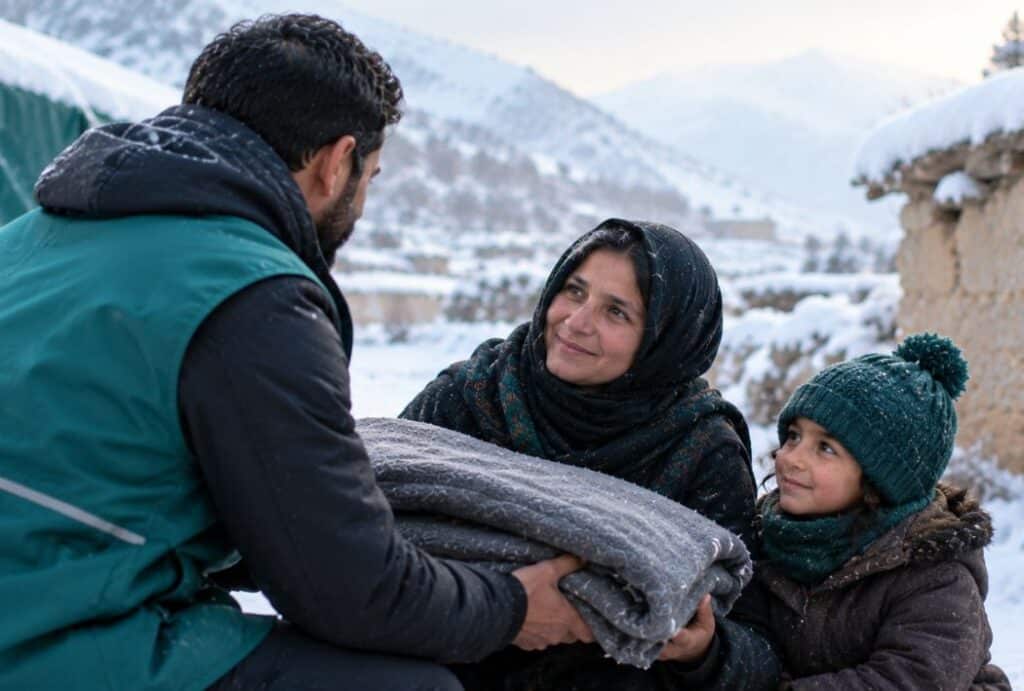
The Everyday Things We Take for Granted in the Winter
From a warm home to dry clothes and a hot meal, discover the everyday winter comforts we often take for granted and…
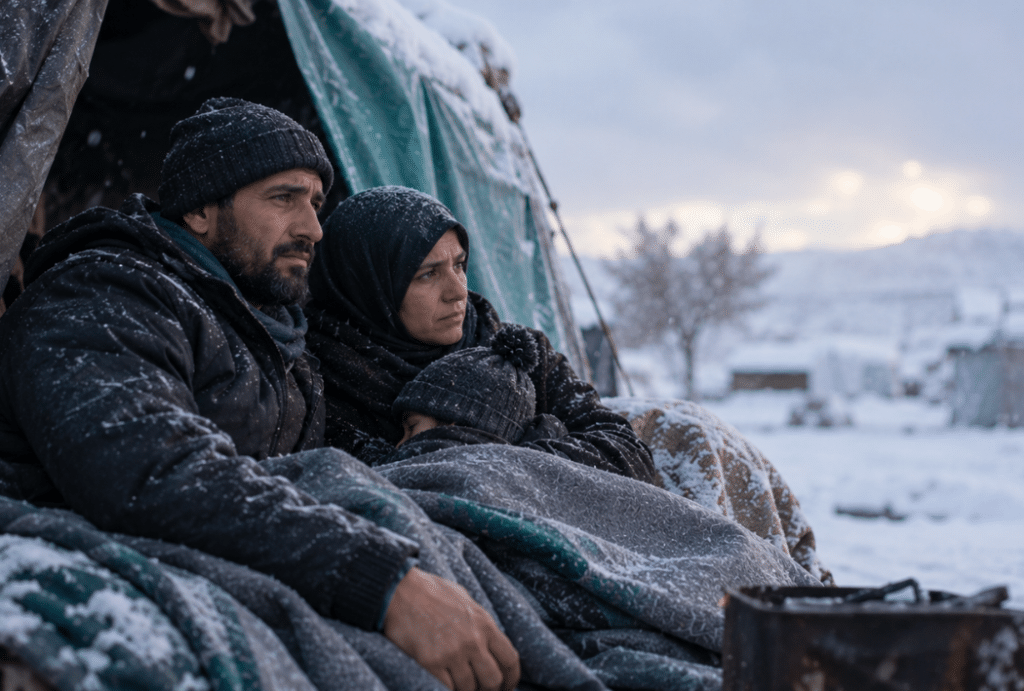
7 Everyday Things That Become Harder When Winter Arrives
Discover how winter can make everyday life harder for families already facing hardship, from staying warm and accessing food to travelling, learning…
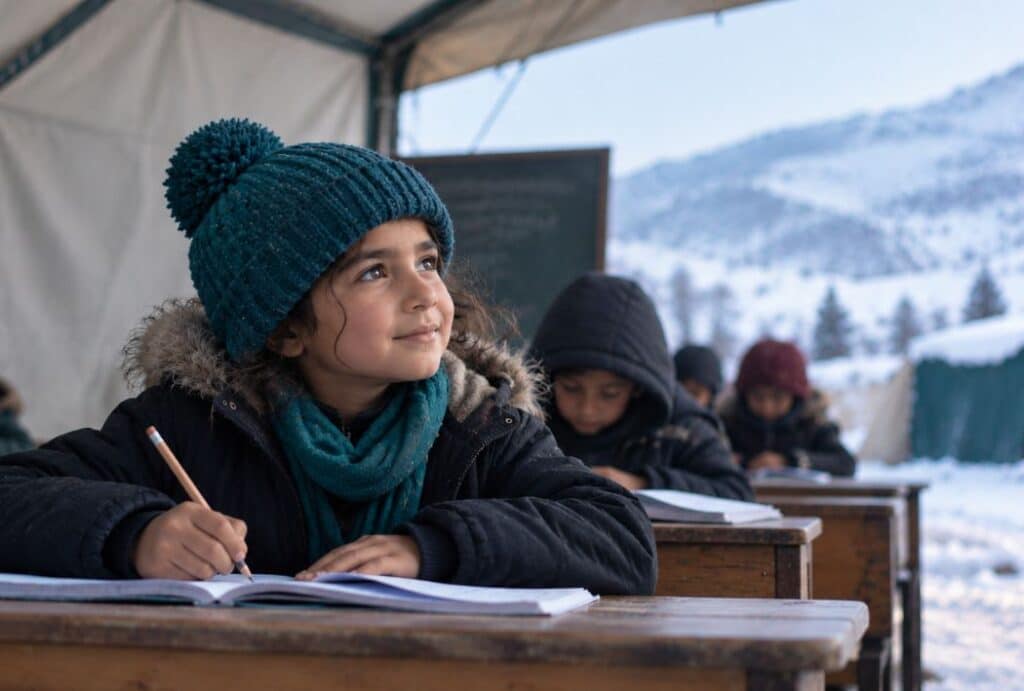
What Prolonged Hardship Can Take Away From a Child
Discover how prolonged hardship can affect a child's routine, education, safety and sense of stability, and why protecting childhood matters in humanitarian…