Why do Muslims raise the Quran on their heads on Laylatul Qadr?
On Laylatul Qadr, the night unfolds gently, marked by silence, reflection, and whispered dua.
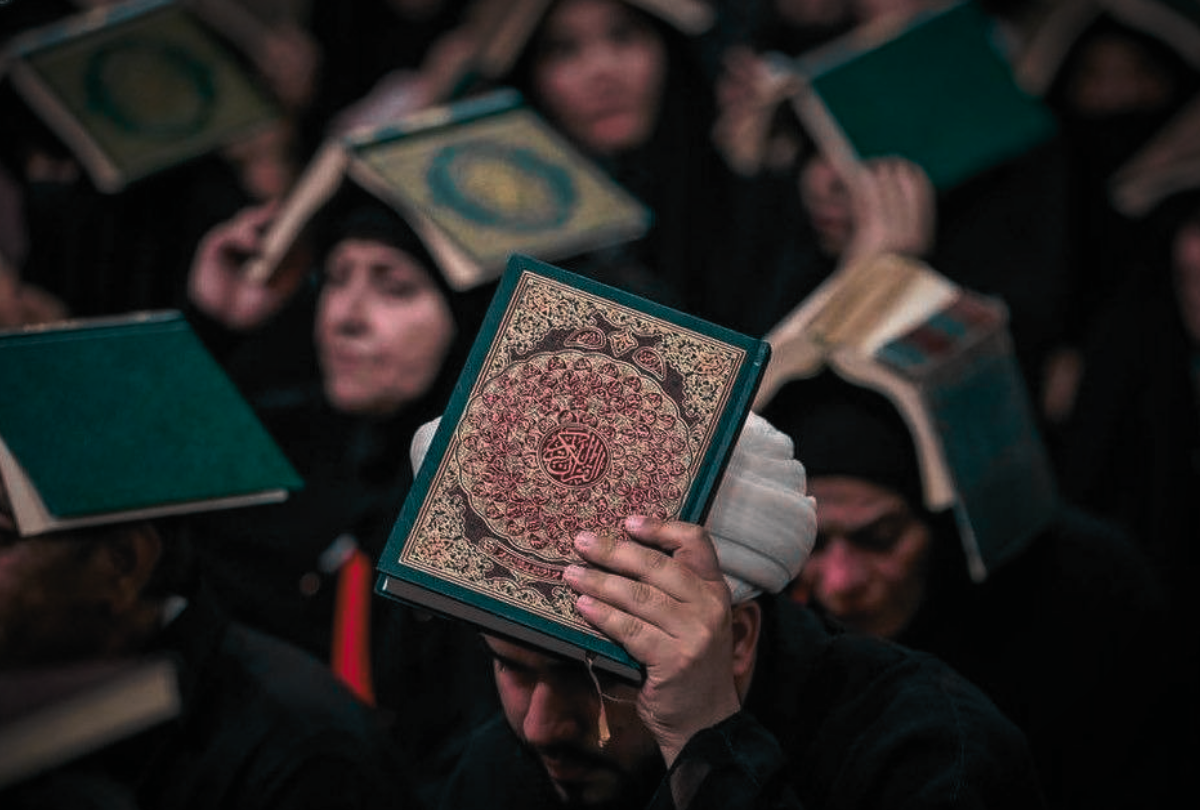
In mosques and homes across the world, believers lift the Quran above their heads, holding it with care as they turn to Allah (swt).
It is a moving sight that naturally leads to a deeper question.
What does this action truly mean?
Placing the Quran on the head is an amaal performed during Laylatul Qadr practices and is accompanied by a specific dua.
When carried out with awareness, it becomes an act of humility, surrender, and sincere closeness to Allah (swt), rather than a gesture performed out of habit.
Understanding this practice helps transform Laylatul Qadr worship into a conscious and meaningful experience.
When sacred actions become routine
Many acts of worship are passed down through generations, learned through repetition rather than explanation.
While this keeps traditions alive, it can sometimes cause their meanings to fade.
Even on Laylatul Qadr, deeply spiritual actions can feel routine if their purpose is not understood.
Yet this night is inseparable from the revelation of the Quran itself.
Allah (swt) says:
“The month of Ramadan in which the Quran was revealed (to the heart of the Prophet saw), as a guidance for people, clear indications of the right path, and (a measure of) distinction (between truth and falsity).”
Surah Baqarah, Verse 185
When believers reflect on why each amaal is performed, worship becomes intentional, heartfelt, and alive.
The historical roots of placing the Quran on the head
The practice of placing the Quran on the head during Laylatul Qadr is rooted in Shia devotional tradition and centres on dua, humility, and reverence for divine revelation.
The physical act reflects an inner state of submission.
It is a recognition that guidance comes from Allah (swt), not from personal strength or understanding alone.
The Quran is honoured in this act, while worship remains directed solely to Allah (swt).
Placing the words of Allah (swt) above ourselves
Holding the Quran above the head represents a powerful inner commitment.
It is a declaration that divine guidance takes precedence over ego, desire, and personal opinion.
By placing the Quran physically above themselves, believers express a spiritual truth about how they wish to live.
Prophet Muhammad (saw) highlighted this role of the Quran when he said:
“When matters become obscure for you like the darkness of the night, then turn to the Quran, for it is the mediating intercessor and the trustworthy deviser. Whoever puts it in front of them, it will lead them to Heaven, and whoever puts it behind them, it will drag them to Hell.”
Kanz al-Ummal, n.4027
This amaal becomes a moment of realignment, reminding believers to keep the Quran at the forefront of their lives.
Laylatul Qadr as the night of revelation and destiny
Laylatul Qadr holds a unique place in Islamic worship. It is the night connected to revelation, mercy, and the unfolding of destiny.
The Prophet is reported to have said:
“O people, this month that is coming upon you is the chief of all months. One particular night in it is better than a thousand months.”
Amali al-Saduq, p.56
Imam al-Sadiq (as) further explained the pattern of divine revelation:
“Torah was revealed during the sixth night of the month of Ramadan. Injil was revealed during the twelfth night of the month of Ramadan. Al-Zabbur was revealed during the eighteenth night of the month of Ramadan, and the Holy Quran was revealed during the night of destiny.”
Al-Kafi, v.4
Placing the Quran on the head during this night is a way of standing humbly beneath revelation itself, seeking forgiveness and a renewed direction.
The Quran as a guide and leader
The Quran is not only a book to be recited. It is a guide meant to shape belief, character, and conduct.
The Prophet (saw) is reported to have said:
“You must adhere to the Quran, so take it as an Imam and a leader.”
Kanz al-Ummal, n.4029
By raising the Quran during Laylatul Qadr, believers renew their commitment to live by its guidance in the year ahead.
It is a pledge to allow divine wisdom to lead daily choices and moral decisions.
The amaal and its dua
This practice is completed through its accompanying dua.
The dua expresses repentance, hope, and reliance on divine mercy.
Entering Laylatul Qadr with knowledge and intention
Laylatul Qadr is an invitation to return with awareness and humility.
Raising the Quran on the head is not about outward form, but about recognizing divine guidance and placing it above the self.
One of the most heartfelt ways to begin this sacred night is through generosity.
It is a quiet expression of compassion and gratitude before turning to worship and repentance.
When approached with knowledge and intention, the amaal of Laylatul Qadr become moments that shape not only the night itself, but the path forward long after it has passed.
FAQ
No. This amaal is recommended, not obligatory. It is meant to enhance reflection and sincerity during Laylatul Qadr worship.
It has been preserved within Shia tradition due to its emphasis on dua, reverence for revelation, and connection to the Ahlulbayt (as).
No. The Quran is honored as divine guidance. Worship remains directed solely to Allah (swt).
Yes. It may be performed alone or in congregation, at home or in a mosque.
Sincere intention is most important. Personal supplications may be made while holding the Quran respectfully.
It encourages believers to keep the Quran at the center of their moral and spiritual decisions throughout the year.