Driving Dignity: Rasool’s Story
Overnight, Rasool became the one his family depended on.
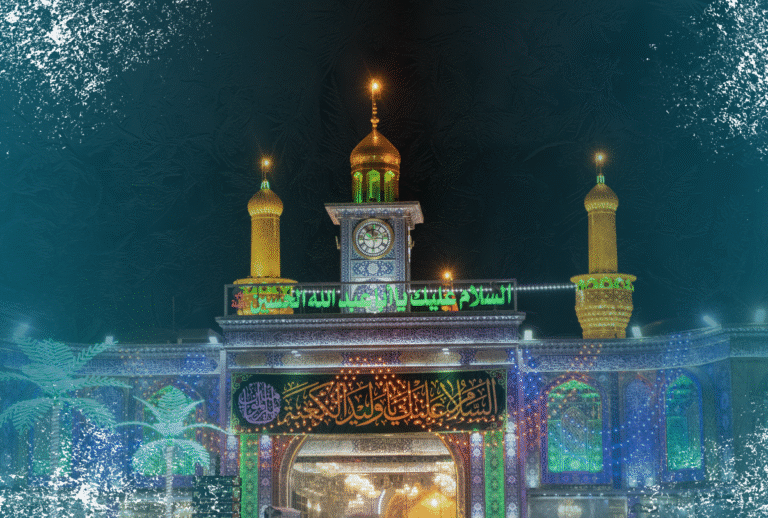
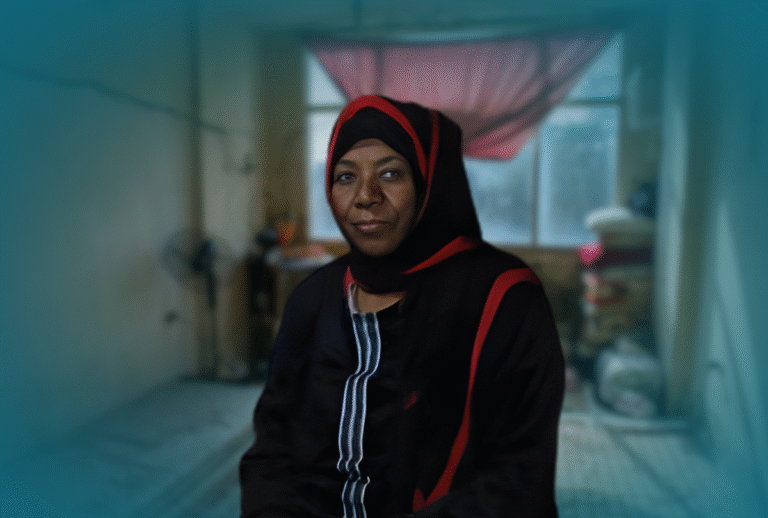
Rasool is 18 from Karbala. Five years ago, his father passed away and the household lost its main breadwinner. His mother was left responsible for eight family members, without the capacity to work, and Rasool, as the eldest son, stepped into a role he was never meant to carry so young.
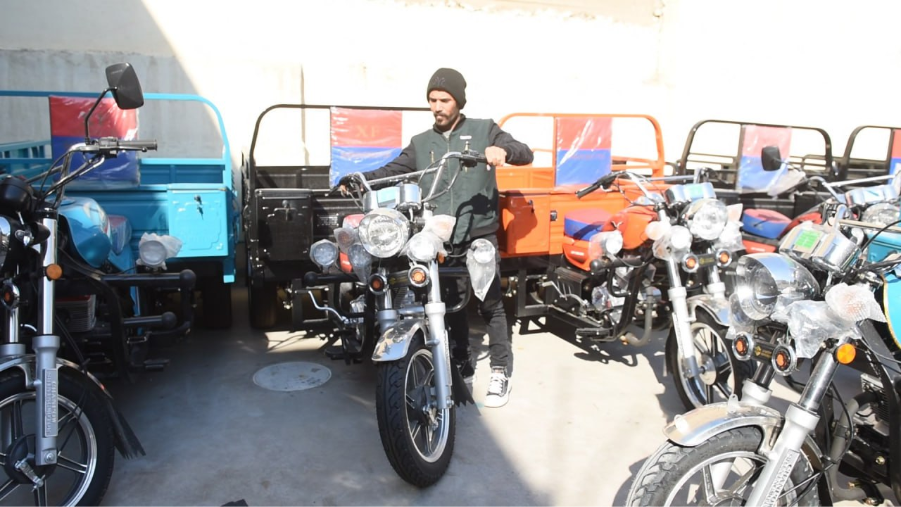
He had the determination to provide, but no capital, no tools, and no way to turn effort into income. The family survived on irregular charity support, but it was never enough for a household that large. Shortage became routine, and the pressure did not lift, because every day began with the same question, how do we get through today?
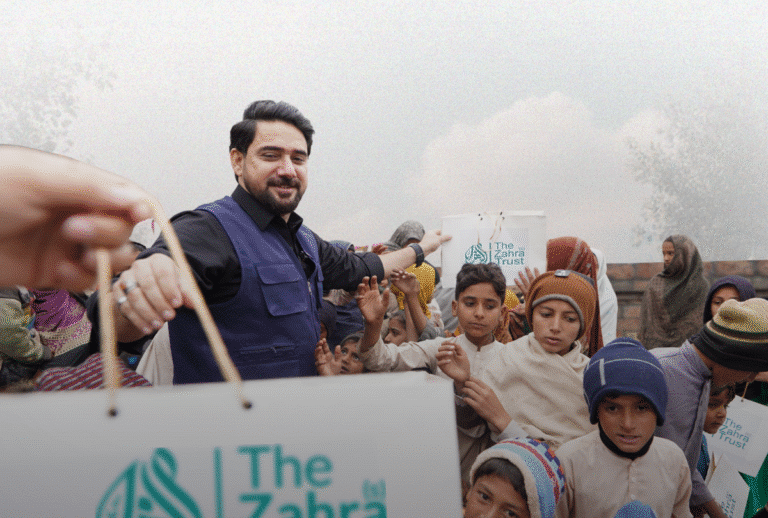
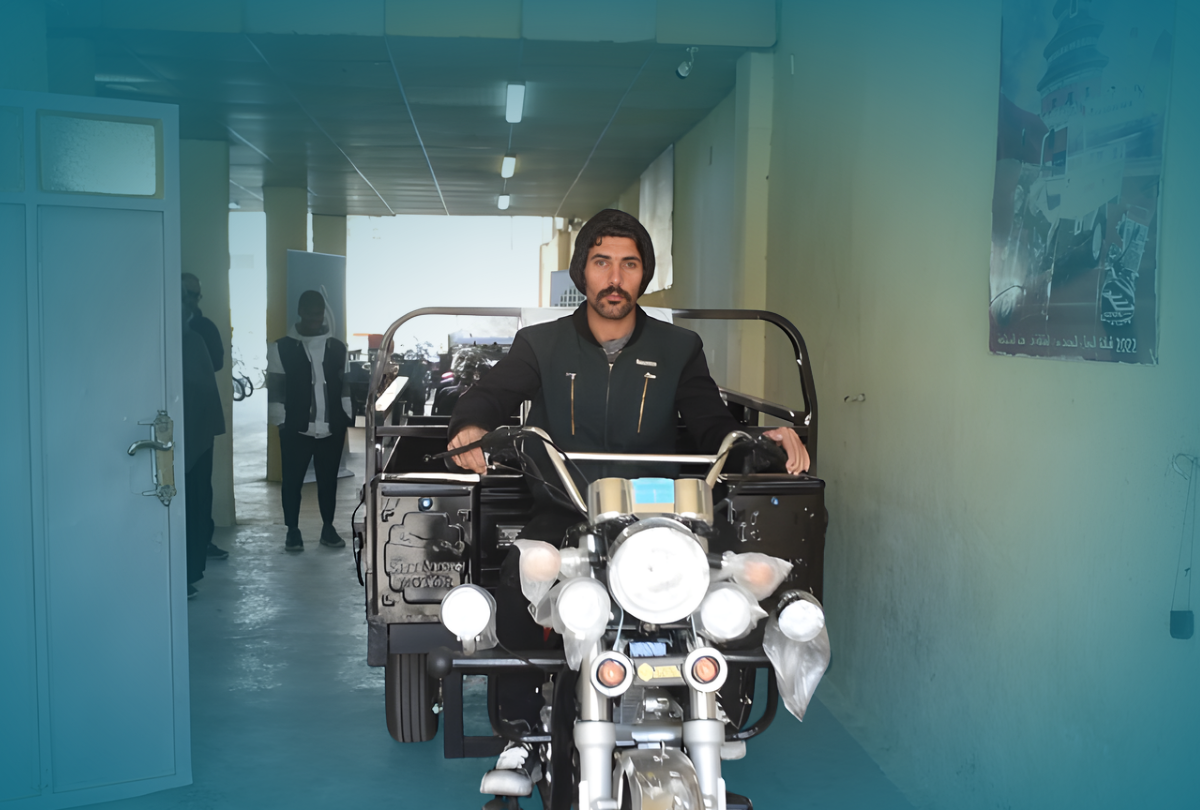
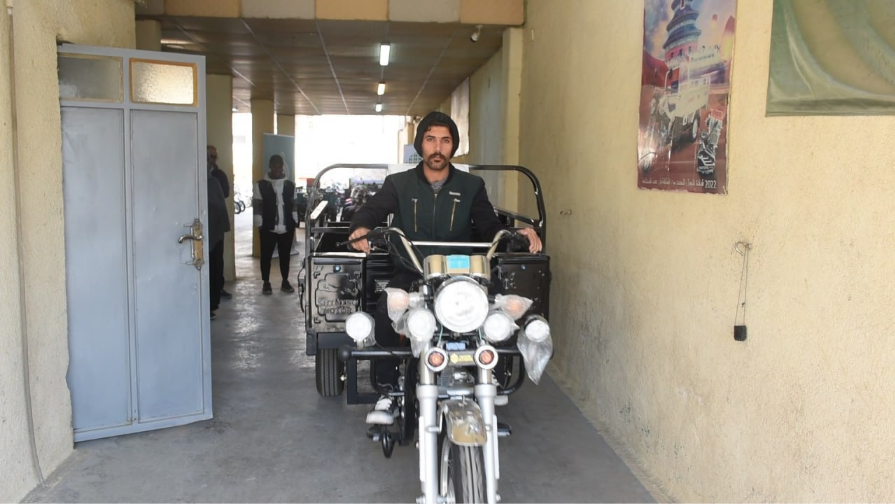
Support arrived through The Zahra Trust’s microfinance and livelihoods work. Rasool received a three-wheeled rickshaw (a Satuta), giving him a practical asset he could use immediately to earn independently through local transport or delivery work.
Once the rickshaw was operational, Rasool began earning a regular daily income. That change brought something the family had not had in years, predictability. It reduced reliance on emergency help, eased the constant strain on his mother, and meant Rasool could provide through his own work, with dignity, not desperation.
For Rasool, the shift was more than financial. It was the feeling of moving from helplessness to capability, from watching his family struggle to being able to meet needs with his own hands. It gave him back confidence and hope, and it gave his family the chance to breathe again.
Rasool is one of 44 individuals supported through this rickshaw microfinance initiative. His story shows what happens when a young person is given the right tool at the right time, responsibility becomes survivable, and a family can begin to rebuild stability from the ground up.