
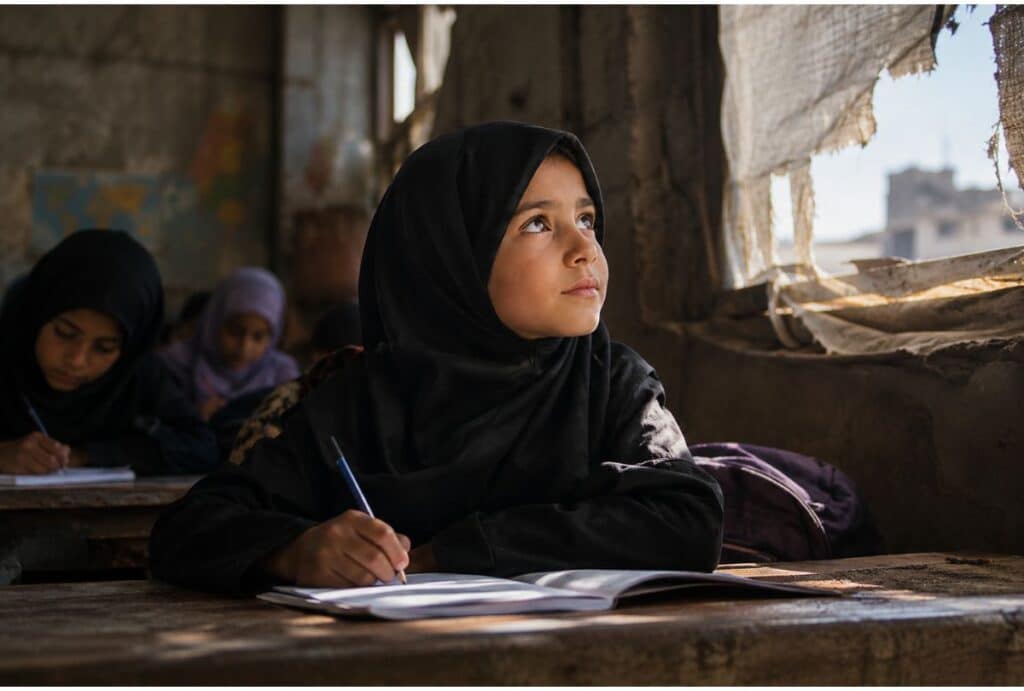
For many children, school is part of everyday life. They get ready for class, spend time with friends, learn from their teachers and begin imagining what their future might look like.
But when a family experiences prolonged hardship, that routine can become difficult to maintain.
Conflict, displacement, poverty and disrupted essential services can all affect a child’s ability to attend school and learn. Sometimes the interruption lasts only days. In other circumstances, children may miss months or years of education.
Understanding how this happens helps us recognize why keeping children connected to learning matters, particularly during a humanitarian crisis.
Why Is Education Often Disrupted During Hardship?
Education depends on more than having a school nearby. Children need a safe way to get there, teachers who can support them, appropriate learning materials and the time and energy to concentrate.
When families experience prolonged hardship, several of these things can disappear at once.
Conflict may damage schools or make travel unsafe. Displacement can force families to leave their homes and communities with little warning. Financial pressure may make school-related costs difficult to afford. Essential services, including electricity, transportation and healthcare, may also become unreliable.
These challenges often overlap, making it harder for children to return to learning even after the initial emergency has passed.
1. Displacement Can Separate Children From School
When a family has to leave home because of conflict or disaster, education may no longer be the immediate priority. Finding somewhere safe to stay, obtaining food and securing essential supplies often come first.
Children may leave behind their school, books, uniforms, teachers and friends. If a family moves to another community or country, enrolling in a new school may involve unfamiliar systems, language barriers, missing documents or a lack of available places.
Even when a child can enrol, the new school may be overcrowded or have limited resources. Some displaced children may have to wait before they can return to formal education.
These interruptions are not a reflection of a child’s ability or willingness to learn. They are barriers created by circumstances beyond their control.
2. Household Pressures Can Make Attending School Harder
For families experiencing poverty, everyday decisions can become difficult.
The cost of transportation, uniforms, stationery, school meals or other supplies may be more than a household can manage. When money is scarce, parents and caregivers may have to prioritize immediate essentials such as food, rent and medicine.
Children can feel the effects of these pressures, too.
Hunger can make it difficult to concentrate. Inadequate clothing may make travelling to school uncomfortable, particularly during cold weather. Stress about a family’s circumstances can affect a child’s ability to focus on lessons.
In some situations, older children may take on additional responsibilities at home or help their families earn an income. This can leave less time for studying, rest and regular school attendance.
Every family’s circumstances are different, but financial hardship can make continuing education much more difficult than it should be.
3. Disrupted Services Affect More Than Attendance
A school cannot operate effectively without the services and resources that support it.
Conflict and disasters can interrupt electricity, water supplies, transportation and communications. Teachers may be displaced, classrooms may become unusable, and educational materials may be difficult to replace.
Where schools close, children may have few alternatives. Remote learning can help in some circumstances, but it depends on access to devices, electricity, internet connectivity and a suitable place to study. These are not always available to families facing hardship.
When a child has no reliable way to continue learning, even a temporary school closure can create a gap that takes time and additional support to address.
4. What Happens When Children Miss Months or Years of Learning?
The effects of disrupted education can extend beyond the days a child spends away from school.
Children who miss lessons may struggle to keep up with their classmates, particularly when they return to a different grade or curriculum. Gaps in reading, writing and mathematics can make new topics harder to understand.
Repeated interruptions can also affect confidence. A child who has missed a substantial amount of learning may feel anxious about returning or worry about falling behind. Some may need additional help to rebuild their skills and settle back into the classroom.
The longer-term consequences depend on a child’s age, circumstances, the length of the interruption and the support available. Prolonged disruption can increase the risk of falling behind or leaving education early, but it does not mean a child cannot recover lost learning or succeed in the future.
This is why timely support matters. Helping children return to learning, access catch-up lessons and receive appropriate support can make a meaningful difference.
5. School Provides More Than an Education
For children living through a crisis, school can offer something especially important: a measure of routine and stability.
A classroom can provide a safe place to spend part of the day, maintain friendships, connect with trusted adults and take a break from the uncertainty around them. Depending on the setting, schools may also help children access meals, clean water, health services and psychosocial support.
Education cannot remove the causes of a crisis, and schools must be safe for children and staff. However, keeping learning available can help protect a sense of normalcy while families work through difficult circumstances.
Restoring education is therefore about more than catching up on a syllabus. It is also about helping children retain connections, confidence and opportunities.
What Does the Qur’an Teach Us About Knowledge?
The importance of learning is reflected in the Qur’an. Allah (swt) says:
“Read in the name of your Lord who created.” (Qur’an 96:1)
This opening verse of Surah Al-Alaq reminds Muslims of the importance of reading and learning. Education gives children opportunities to develop their understanding, discover their abilities and participate more fully in their communities.
Every child deserves the chance to learn in a safe and supportive environment, whatever their circumstances.
How Can Humanitarian Support Help Children Continue Learning?
When hardship disrupts education, practical support can help remove some of the barriers standing between children and the classroom.
Depending on the needs of a community, this may include:
- School supplies and learning materials: helping children access the resources needed to participate in lessons.
- Support with essential costs: easing financial pressures that can prevent school attendance.
- Safe learning spaces: helping children continue learning when their usual schools are unavailable.
- Catch-up education: giving children opportunities to strengthen skills after missed lessons.
- Support for families: addressing some of the wider pressures that make it difficult to keep children in school.
These measures cannot resolve every challenge, and different communities need different forms of support. But helping children continue their education can protect an important part of their present and future.
The Zahra Trust supports vulnerable communities through humanitarian assistance, including education-related support where it is needed. Your generosity can help children and families facing hardship access practical assistance and opportunities to move forward.
Every Child Deserves the Chance to Keep Learning
Prolonged hardship can interrupt a child’s education in many ways. Displacement can separate them from their school, financial pressure can make attendance difficult, and disrupted services can leave them without a reliable place to learn.
The consequences can be serious, but they are not inevitable. With the right support, children can return to education, rebuild their confidence and continue working towards their potential.
Education is not something children should have to give up simply because their families are facing a crisis.
Frequently Asked Questions
How does poverty affect a child’s education?
Poverty can make it difficult for families to afford school supplies, uniforms, transportation and other costs. It can also affect nutrition, housing stability and a child’s ability to concentrate, making regular attendance and learning more challenging.
How does displacement interrupt children’s education?
Displacement can force children to leave their schools, teachers and learning materials behind. Finding a new school may be difficult because of overcrowding, language barriers, missing documents or a lack of available places.
What are the long-term effects of interrupted education?
Prolonged disruption can contribute to learning gaps, difficulties keeping up with lessons and a greater risk of leaving education early. The effects vary, and appropriate teaching, catch-up support and stable learning environments can help children recover.
Why is education important during a humanitarian crisis?
Education helps children maintain learning, routines and social connections during uncertain times. Schools can also provide access to protective services and other essential support, depending on the circumstances.
How can I help children whose education has been disrupted?
You can support organizations such as The Zahra Trust that work with vulnerable communities. Donations can help provide practical assistance and support education-related needs where resources are required.
More from Uncategorized

Lessons from the Shahadat of Imam Ali (as)
In Ramadan, as we fast and pray, we remember Imam Ali (as) – struck down while worshipping Allah (swt). His Shahadat teaches us that faith…
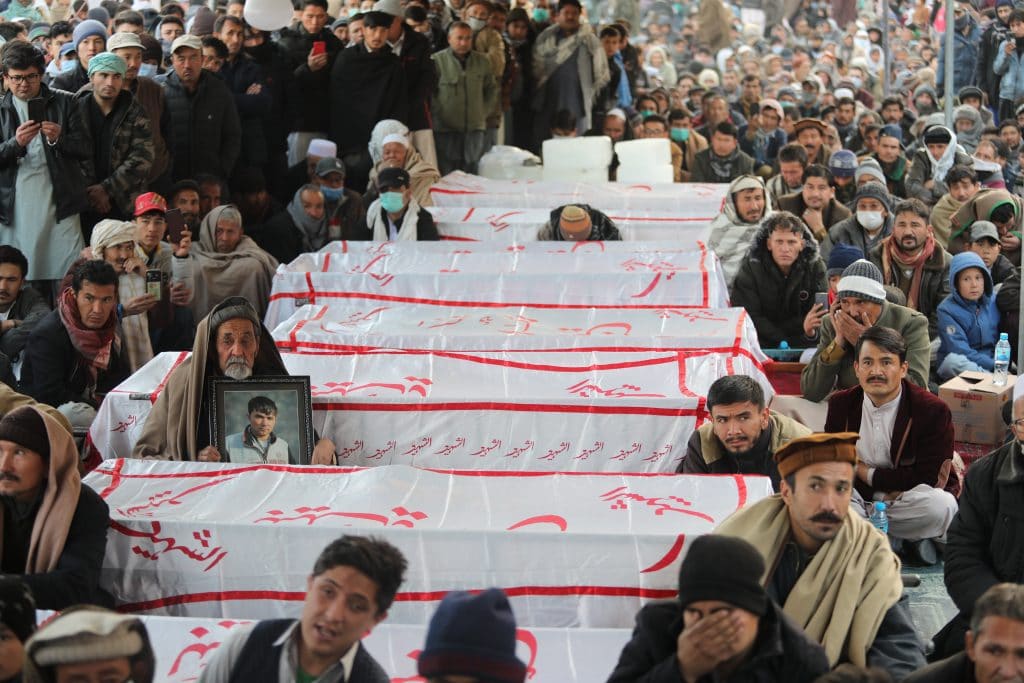
What happened in Quetta and why it matters
Recently you may have heard of the tragic attack which took place in Quetta, Balochistan and might be wondering exactly what happened. On Sunday…