21 April 1926: What happened at Jannat al-Baqi, and why 8 Shawwal is remembered
21 April 1926 remains a day of grief in the memory of many Muslims around the world.
Linked to the date of the 8 Shawwal 1344 AH, it marks the demolition of historic shrines and marked graves in the sacred cemetery of Jannat al-Baqi.
For many believers, the day represents more than a historical event.
It is a moment to reflect on how sacred places, memory, and reverence for those who came before us shape faith and identity across generations.
The Quran reminds believers that honouring what is sacred reflects the sincerity of the heart:
“And whosoever venerates the (sacred) symbols of Allah (swt), (that is a good deed, and) that indeed is (the result of) the piety of hearts.”
Surah Al-Hajj, Verse 32
For many, remembering this day is connected to that very idea: honouring sacred history and preserving the memory of those who helped shape the earliest generations of Islam.
What is Jannat al-Baqi?
Located beside Masjid al-Nabawi in Medina, Jannat al-Baqi is one of the most historically significant burial grounds in the Islamic world.
For centuries, it has been the resting place of many companions of Prophet Muhammad (saww), members of his family, and other respected figures from early Islamic history.
Among the many honoured personalities buried there are revered leaders from the Prophet’s (saww) family, including Imam Hassan (as), Imam Sajjad (as), Imam al-Baqir (as), and Imam al-Sadiq (as).
Their presence, alongside many other early figures of Islam, gives the cemetery deep spiritual significance for Muslims who visit Medina.
For generations, visitors recognised the cemetery by the domes, shrines, and grave markers that stood above certain graves.
These helped people identify burial places and reflect on the lives and legacy of those buried there.
What happened on 21 April 1926?
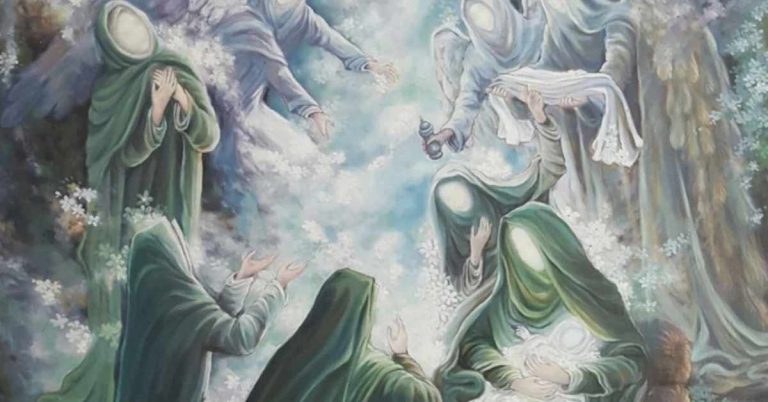
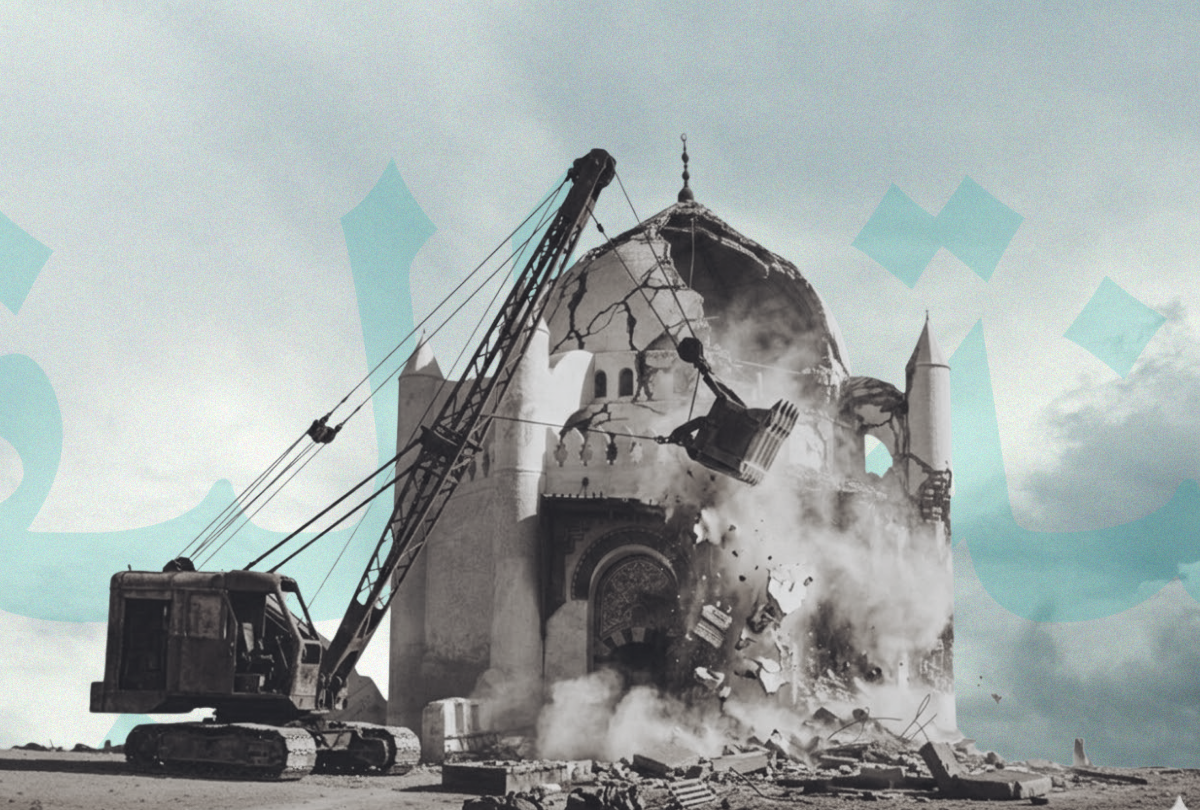
On 21 April 1926, corresponding to 8 Shawwal 1344 AH, the historic shrines, domes, and grave markers in Jannat al-Baqi were demolished, leaving the cemetery largely levelled and without visible markers identifying the burial places of many important figures in Islamic history.
This was not the first time the cemetery had been flattened.
Earlier in the nineteenth century, during a previous period of control over Medina, many of the shrines in Jannat al-Baqi were also destroyed.
Those structures were later rebuilt when control of the city changed.
By the mid-1920s, the political landscape of the Arabian Peninsula had shifted again.Forces led by Abdulaziz Ibn Saud gained control of the Hijaz region, including the holy cities of Mecca and Medina. Following this change in authority, the remaining domes and shrines in the cemetery were demolished.
After the events of 1926, the cemetery was left largely unmarked. The domes and shrines that had once helped visitors recognise and remember the resting places of many early Muslim figures were removed, leaving the cemetery in the simple form that visitors see today.
Why did the demolition happen?
The demolition was carried out in line with the religious views associated with the reform movement often described as Wahhabi, which emerged in the Arabian Peninsula in the eighteenth century through the teachings of Muhammad ibn Abd al-Wahhab.
This approach emphasised a strict interpretation of monotheism and opposed the building of shrines or monuments over graves. Supporters of this view believed that structures such as domes and shrines could lead to practices they considered inappropriate, such as excessive reverence toward graves.
For this reason, removing such structures was seen as a way of preserving what they viewed as the purity of worship directed only to Allah (swt). At the same time, many Muslims across different traditions have historically maintained that visiting graves can serve as a reminder of faith, mortality, and the hereafter
Reports found in widely recognised Sunni collections describe this practice being encouraged.
The Prophet (saww) is reported to have said:
“Visit the graves; for visiting them becomes the cause of remembering the next world.”
Sunan Ibn Majah, v.1
Because of these differing perspectives, the history of places like Jannat al-Baqi is often understood in the context of varying interpretations about graves, remembrance, and religious practice within the Muslim world.
What was lost?
Although the cemetery itself remains, the removal of the historic structures meant that many visible reminders of sacred history disappeared.
For generations of visitors, those domes and markers had served as points of reflection. They allowed people to recognise where important figures were buried and to remember their lives and contributions to Islam.
Without those markers, the connection to that history became harder to see physically. The heritage of the cemetery remains spiritually meaningful, but its historical landscape changed dramatically.
For many believers, this change continues to evoke a sense of loss, not only for the structures themselves, but for the tangible way they once helped people remember their sacred past.
How is the day marked today?
Among many Muslims, the anniversary connected to 8 Shawwal is remembered as Yawm al-Hadm, meaning “the Day of Demolition.”
The name reflects the historical event in which the shrines and grave markers in Jannat al-Baqi were destroyed.
The day is also sometimes referred to as Yawm al-Ghamm, meaning “the Day of Sorrow,” highlighting the sense of grief many people feel when remembering the loss of visible markers connected to important figures in early Islamic history.
Each year, the date becomes a moment of reflection.
Scholars, educators, and community members often share reminders about the history of Jannat al-Baqi and the personalities buried there.
For many, the purpose of marking the day is not political debate but remembrance, ensuring that the cemetery’s history and the legacy of those buried there continue to be remembered with dignity and respect.
How to honour the day today
For many believers, remembering this day is ultimately about reflection and prayer.
One meaningful way to honour the memory of those buried in Jannat al-Baqi is through dua (supplication). Muslims often pray for forgiveness and mercy for those who came before them.
Historical reports also describe the respectful manner in which the righteous greeted those buried in cemeteries.
It is reported that when Imam al-Sadiq (as) entered a graveyard, he would say:
“Peace be on the folks of Paradise.”
Kamil al-Ziyarah, ch.105, h.18)
This greeting reflects the spirit of humility and remembrance that many believers try to embody when thinking about those who have returned to Allah (swt).
Other ways to mark the day include:
- Learning about the history of Jannat al-Baqi
- Sharing respectful reminders about its significance
- Teaching younger generations about sacred history
- Supporting faith-centred community initiatives that strengthen knowledge and remembrance
- Following the example of the righteous buried there by supporting vulnerable and displaced families, continuing their legacy of compassion and service
These acts allow remembrance to become something meaningful and constructive.
Accuracy note
Many references cite 21 April 1926 as the date associated with the demolition, while some sources mention 1925. The annual commemoration is widely linked to the Islamic date of 8 Shawwal.
A moment to remember and reflect
The story of Jannat al-Baqi is deeply tied to the early generations of Islam.
While the physical landscape of the cemetery changed in the twentieth century, its spiritual importance remains unchanged.
Remembering this history helps ensure that the legacy of those buried there continues to be honoured with knowledge, dignity, and reflection.
Today, take a moment to remember, learn, or share this history with someone else.
Even a small act of remembrance keeps sacred history alive.
Frequently Asked Questions
Jannat al-Baqi is a historic cemetery located beside Masjid al-Nabawi in Medina. It contains the graves of many companions of Prophet Muhammad (saww), members of his family, and other respected figures from early Islamic history.
The 8th of Shawwal is remembered because it is the Islamic calendar date when the demolition of historic grave structures at Jannat al-Baqi in the early twentieth century occurred.
On 21 April 1926, the domes and built structures that marked certain graves in the cemetery were demolished. After this event, the cemetery was left largely without visible architectural markers.
Yawm al-Hadm means “Day of Demolition”. It is the name used by many people to refer to the annual remembrance associated with the events linked to 8 Shawwal.
Yawm al-Ghamm means “Day of Sorrow.” Some people use this name when referring to the same historical event linked to 8 Shawwal. The term emphasises the grief many feel when remembering the loss of the shrines and visible historical markers that once stood in Jannat al-Baqi.
Many people observe the day through prayer for those buried in the cemetery, learning about Islamic history, and sharing respectful reminders about the significance of Jannat al-Baqi.