
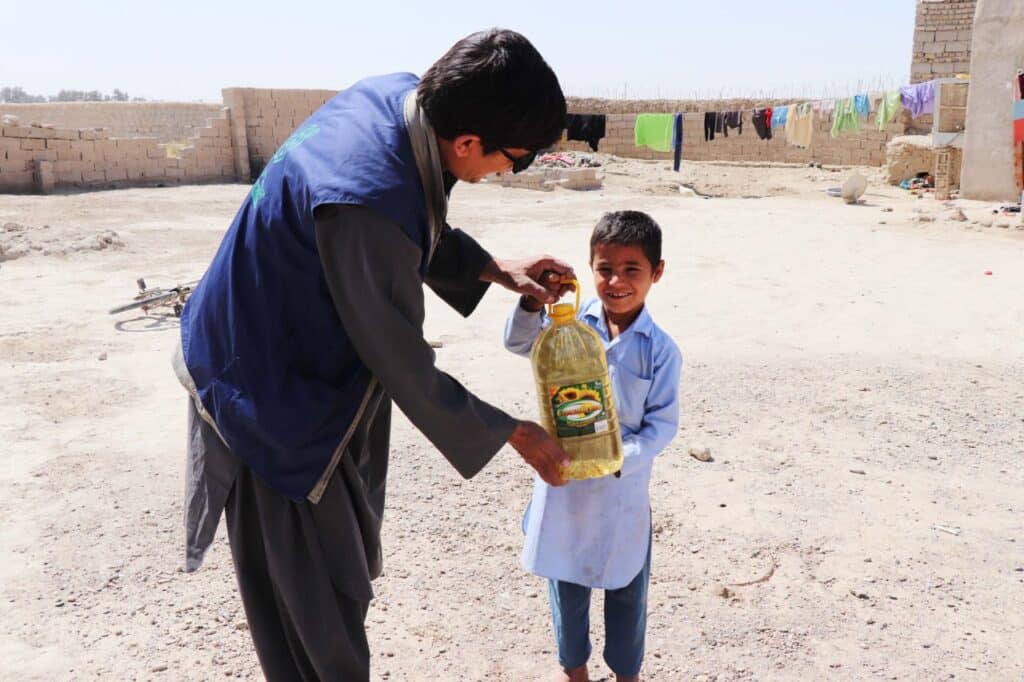
Gratitude is more than saying Alhamdulillah when something goes well. In Islam, thankfulness is a way of recognizing our blessings, appreciating what we have and allowing that appreciation to shape how we live.
The teachings of Prophet Muhammad (saww) and the Ahlulbayt (as) remind us that gratitude is reflected not only in our words, but also in our actions. It can influence how we care for our health, share what we have, use our knowledge and respond to the needs of others.
These five hadiths offer a starting point for reflecting on gratitude and putting it into practice.
1. Gratitude for the blessings we receive
The Prophet (saww) is reported to have said:
“One who takes food with gratitude has a reward like one who fasts exercising vigilance over himself. Healthy person grateful for his health has a reward like one who bears his (bodily) afflictions patiently. And one who gives gratefully has a reward similar to the one who bears his deprivation with continence.”
(Bihar al-Anwar, vol. 71, p. 22)
This narration invites us to recognize the value of blessings that can easily become part of our everyday routine. Food, health and the ability to give are all reasons to be thankful.
Gratitude does not mean overlooking hardship or pretending that every day is easy. Rather, it encourages us to recognize what we have while remaining mindful of those who may be going without.
How can we put this into practice? We can take a moment to appreciate our meals, care for our health and share what we can with people facing difficulty.
2. Thankfulness and the continuation of blessings
Imam Muhammad al-Baqir (as) is reported to have said:
“The steady increase of Allah’s (swt) blessings will not be interrupted unless the gratefulness of the people stops.”
(Mishkat al-Anwar, no. 126)
This teaching highlights the importance of maintaining an attitude of thankfulness. Gratitude is not simply a response to a particular blessing; it is something we can nurture throughout our lives.
When we become accustomed to what we have, it can be easy to overlook the value of everyday provisions, relationships and opportunities. Taking time to recognize these blessings can help us approach them with greater care.
How can we put this into practice? We can make gratitude part of our daily routine by reflecting on our blessings, expressing thanks and considering how we can use what we have responsibly.
3. Let your actions express your gratitude
Imam Ali (as) is reported to have said:
“The gratitude of a believer is manifested in his action. The gratitude of a hypocrite does not surpass his tongue.”
(Ghurar al-Hikam, no. 4828 and 4829)
Words of gratitude matter, but this narration also draws attention to the actions that should accompany them.
If we are thankful for the support we receive, we can look for opportunities to support others. If we appreciate the resources available to us, we can avoid unnecessary waste. If we recognize the blessings in our lives, we can use them in ways that benefit others.
Gratitude becomes meaningful when it influences our choices and how we treat people.
How can we put this into practice? Alongside remembering Allah (swt) and expressing thanks, we can make an effort to be generous, considerate and helpful in our everyday lives.
4. Be grateful for knowledge by putting it to use
Imam Ali (as) is reported to have said:
“The gratitude of a scholar for his knowledge is (in) his acting upon it and his sharing it with the one who deserves it.”
(Ghurar al-Hikam, no. 4834)
Knowledge is a blessing, but its value is also reflected in how we use it. Learning can guide our decisions, strengthen our understanding and help us serve others more thoughtfully.
This teaching reminds us that gratitude for knowledge involves more than appreciating the opportunity to learn. It also means putting that knowledge into practice and sharing it appropriately.
We can apply this principle in many parts of life, whether we are learning about our faith, developing a skill or gaining experience that could help someone else.
How can we put this into practice? We can reflect on what we have learned, put it into action and share useful knowledge with others in a considerate and responsible way.
5. Give thanks for what you have
Imam Muhammad al-Baqir (as) is reported to have said:
“Offer sincere thanks to God to multiply your meagre sustenance to plentiful one.”
(Bihar al-Anwar, vol. 78, p. 163)
This narration encourages sincere gratitude, including when our provisions seem limited. It reminds us that thankfulness should not depend solely on having everything we want.
For someone facing financial pressure or uncertainty, gratitude can be difficult. It should never be used to dismiss hardship or suggest that people experiencing poverty simply need to be more thankful. Instead, this teaching invites us to recognize the value of what we have while continuing to work toward a better future and supporting those in need.
How can we put this into practice? We can acknowledge our blessings without comparing ourselves with others, use our resources thoughtfully and remember people whose circumstances leave them struggling to meet their basic needs.
How can we practise gratitude every day?
These five hadiths offer several ways to bring gratitude into everyday life:
- Recognize your blessings. Take time to appreciate food, health, relationships, knowledge and the opportunities available to you.
- Let gratitude shape your actions. Be considerate, avoid unnecessary waste and look for ways to help others.
- Use what you have responsibly. Whether you have time, knowledge, skills or financial resources, consider how they can benefit others.
- Give what you can. Charity is one practical way to express gratitude and support people facing hardship.
- Keep gratitude sincere. Thankfulness is not about pretending that difficulties do not exist. It is about recognizing blessings while responding to challenges with care and compassion.
Turning gratitude into generosity
Gratitude can change how we see the resources available to us. Rather than viewing them only as things we need for ourselves, we can also recognize the opportunities they give us to care for others.
For some people, that may mean sharing a meal, offering practical help or giving their time. For others, it may mean donating to humanitarian work that supports families who are struggling to access food, clean water, healthcare, education or safe shelter.
You do not need to have everything to make a difference. What matters is approaching what you can give with sincerity and consideration for others.
Frequently Asked Questions
What does gratitude mean in Islam?
Gratitude in Islam means recognizing blessings, expressing thankfulness to Allah (swt) and using what we have responsibly. The teachings of the Prophet (saww) and the Ahlulbayt (as) also emphasize that gratitude should be reflected in our actions.
Why is gratitude important in Islam?
Gratitude helps Muslims recognize their blessings and develop a more thoughtful relationship with what they have. It can encourage generosity, responsible use of resources and greater care for other people.
What do the Ahlulbayt (as) teach about gratitude?
These narrations highlight several aspects of gratitude: appreciating our blessings, maintaining thankfulness, allowing our actions to reflect our words, putting knowledge into practice and giving thanks even when our provisions seem limited.
How can I show gratitude to Allah (swt)?
You can express gratitude through prayer and remembrance, by acknowledging your blessings, using your resources responsibly and helping others where possible. Gratitude can be expressed through both words and actions.
Is charity a way to show gratitude in Islam?
Yes. Giving to others can be a practical expression of gratitude. Sharing money, food, time or skills can help support people experiencing hardship and allow us to use our blessings for the benefit of others.
How can I practise gratitude when life is difficult?
Gratitude does not mean ignoring pain, denying hardship or feeling guilty about difficult circumstances. You can acknowledge the challenges you face while also recognizing any sources of support, seeking help when needed and showing compassion to yourself and others.
More from Blog
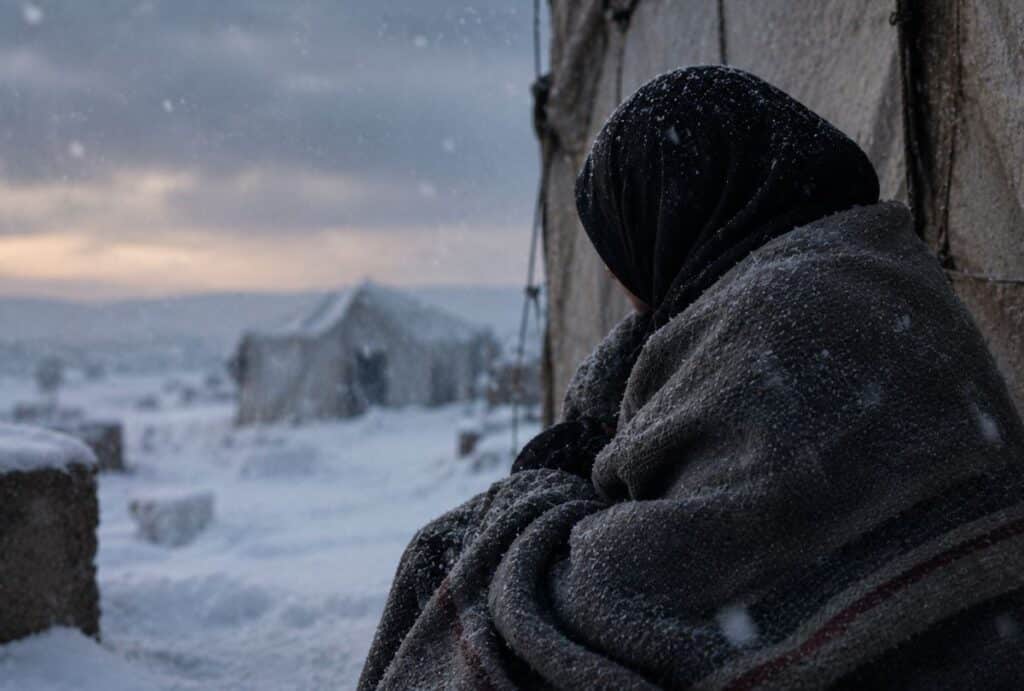
What Happens to Your Body When You Get Too Cold?
Discover how your body responds to cold, the warning signs of hypothermia and frostbite, and why warmth and shelter matter during winter.
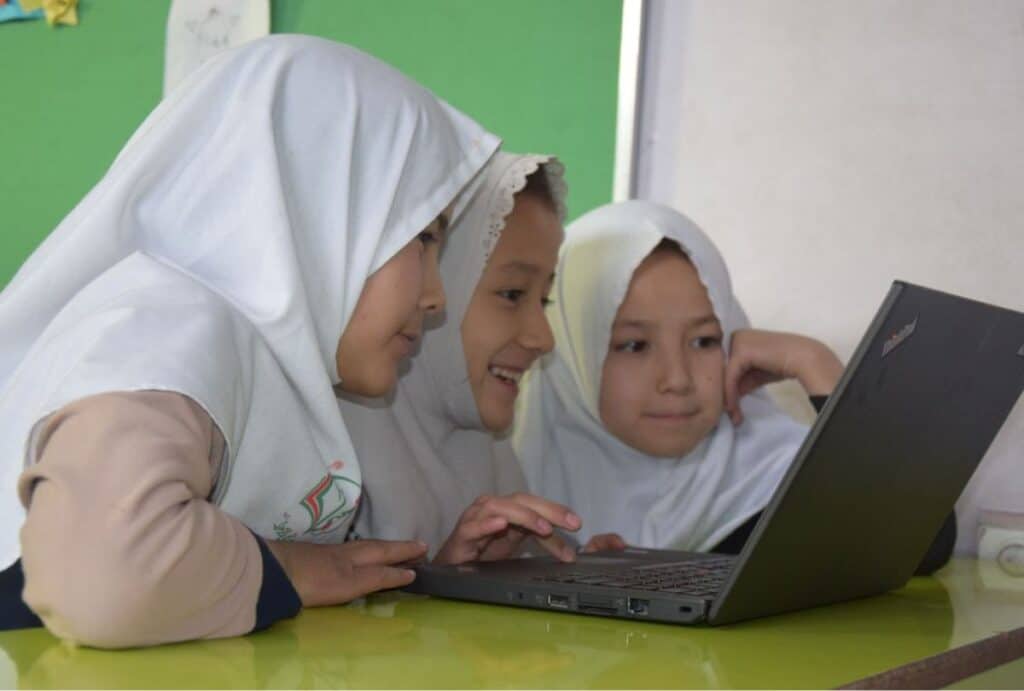
What Does Every Child Need to Thrive?
Discover what children need to thrive, from safety and education to healthy living conditions and opportunities to grow. Learn how humanitarian support…
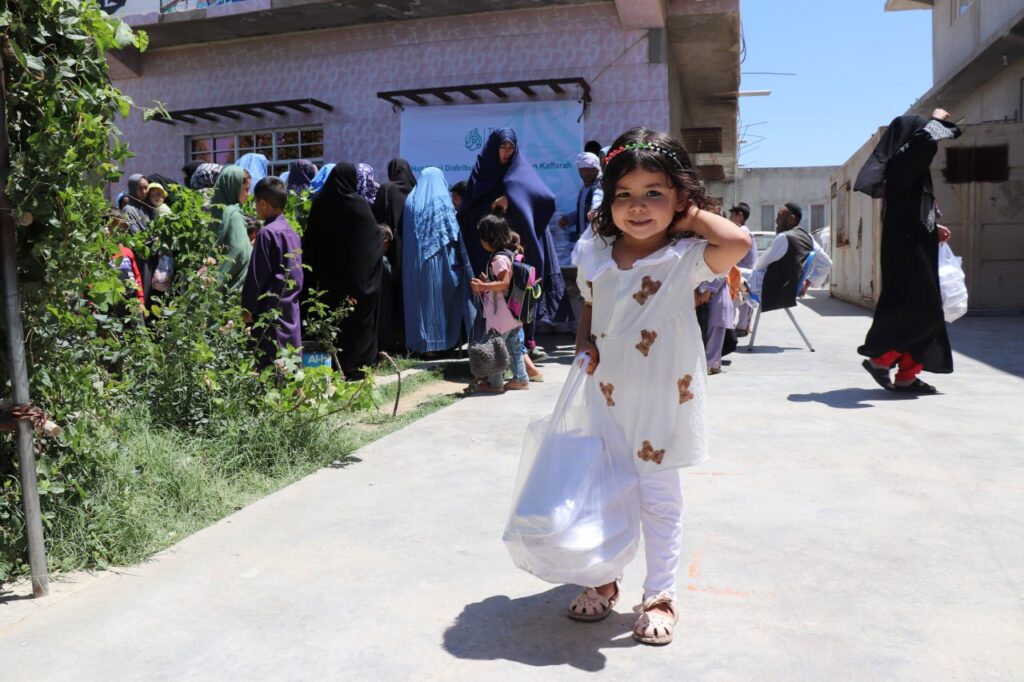
What Does Islam Teach Us About Having Enough?
Explore what Islam teaches about contentment, gratitude and generosity, and how appreciating what we have can shape the way we give.