“The month of Ramadhan [is that] in which was revealed the Qur’an, a guidance for the people and clear proofs of guidance and criterion. So whoever sights [the new moon of] the month, let him fast it; and whoever is ill or on a journey – then an equal number of other days. Allah intends for you ease and does not intend for you hardship and [wants] for you to complete the period and to glorify Allah for that [to] which He has guided you; and perhaps you will be grateful.” Quran (2:185)
The holy month of Ramadan is upon us in just one short week! There are many apparent, and even more hidden, benefits from the physical and spiritual requirements demanded of us in this month, the most obvious of those being abstaining from food and drink. While there are temporary hardships associated with the hunger and thirst that we feel, Allah reminds us in the Quran that He “intends for [us] ease and does not intend … hardship.” One of the ways that we are reminded of the ease that is enfolded within our religion and its rituals is the allowance for Fidya.
“[Fasting is for] a limited number of days. So, whoever among you is ill or on a journey [during them] – then an equal number of days [are to be made up]. And upon those who are able [to fast, but with hardship] – a ransom [as substitute] of feeding a poor person [each day]. And whoever volunteers excess – it is better for him. But to fast is best for you, if you only knew,” (Quran 2:184)
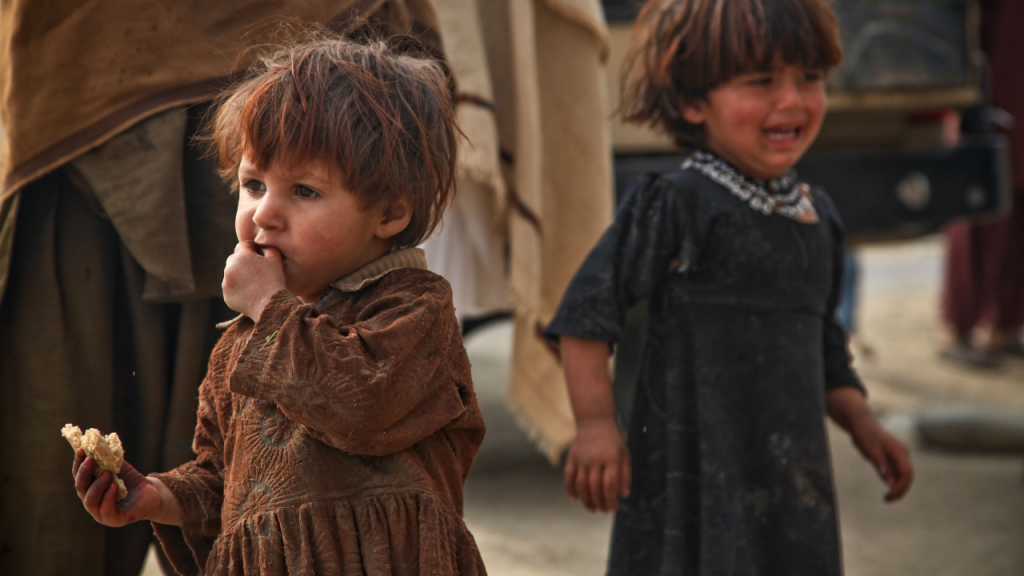
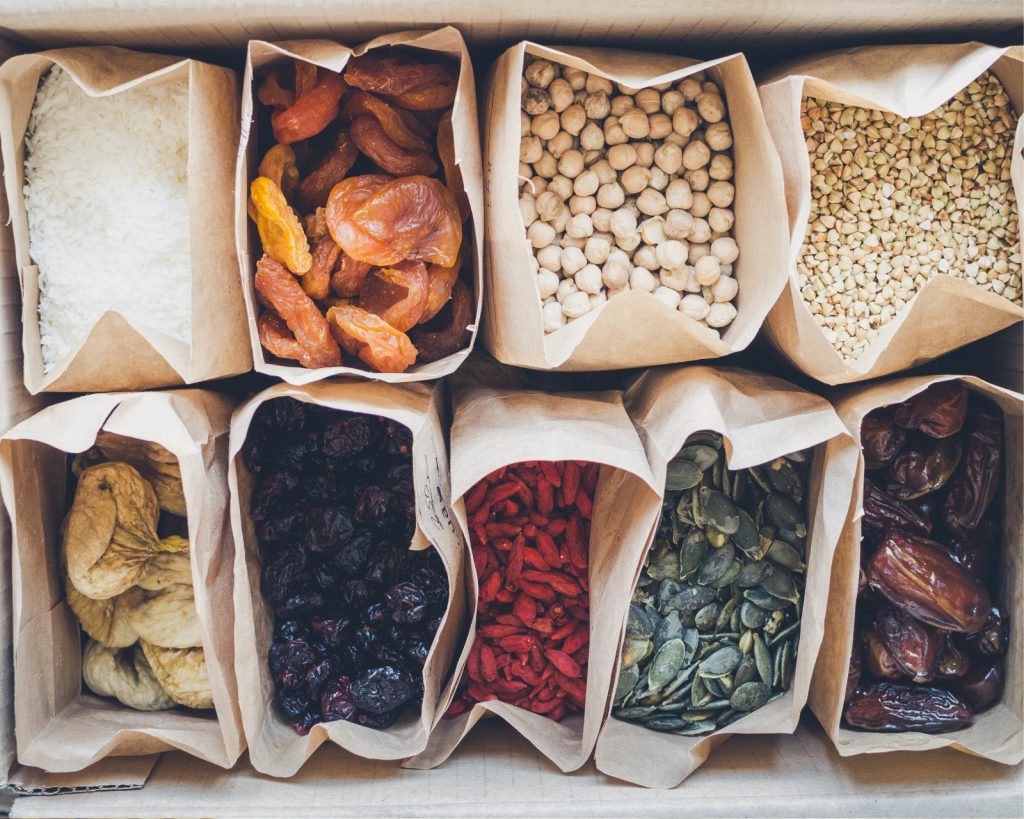
Fidya is a form of compensation paid by those who are unable to fast because of the excessive hardship they may experience as a result of fasting. This can include the elderly, those who have chronic health conditions, like diabetes, and those who are pregnant or breastfeeding. As stated in the verse above, fidya involves feeding the poor as a substitute for fasting, with the current amount equal to the payment of 750 grams of rice or flour per day1, which amounts to approximately $2 per missed fast. This is thought to be a reasonable estimate for the cost of a meal.
Many times, those who are unable to participate in the month-long spiritual journey of fasting (whether it is due to illness, age, or nurturing a child) feel as though they have somehow missed out on a special opportunity in the month of Ramadan, and often feel guilty as a result. The Quran is replete with reminders of the importance of charity and how giving to those in need benefits not only the benefactor, but also the giver. Giving in charity is a purification process for ourselves. If we look at it this way, we can see fidya as a form of ibaadat, or worship, in and of itself, rather than as an “easy way out”. At the same time, these exemptions are made for valid circumstances, and where sheer negligence or refusal to fast play roles in our lives, kaffarah, the compensation for negligence, demands from us an even greater amount of charity in addition to requiring us to make up each of those missed fasts. Allah reminds us in the verse above that “to fast is best for you, if you only knew.”
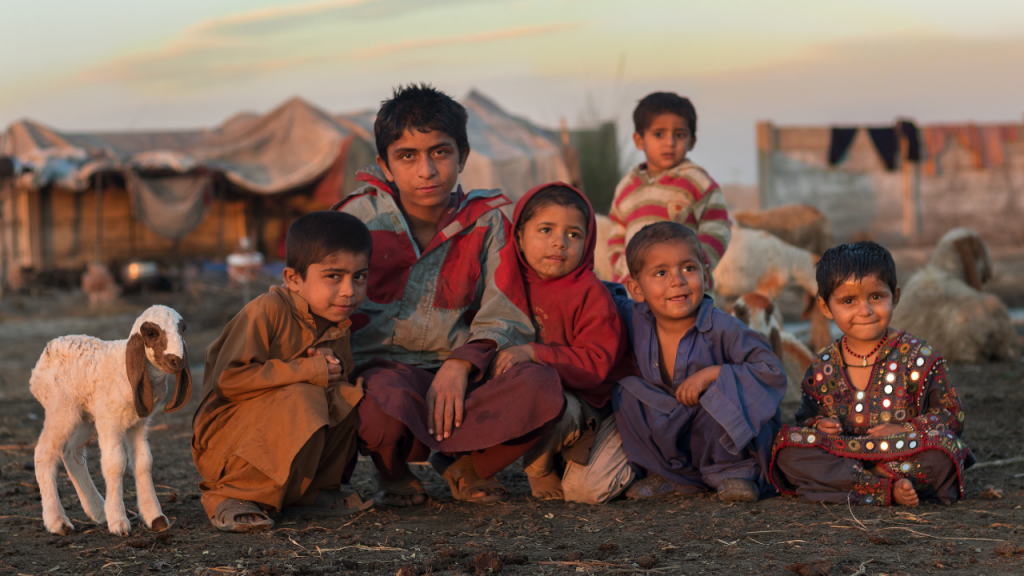
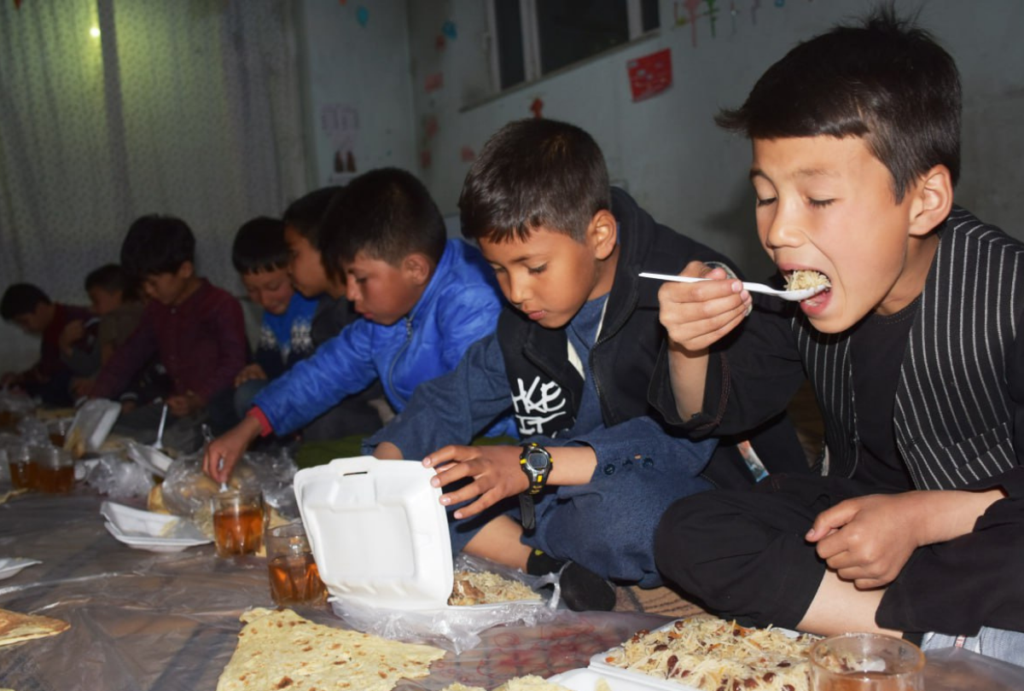
Whether it is fidya, kaffarah, or general sadaqa, each are weighty in the eyes of Allah. As we approach the holy month of Ramadan, this is a great time to think about how your donations can help feed others who may not know where their next meal will come from. Click here to donate your fidya, kaffarah, or charity to Zahra Foundation today.
References
More from Blog

Imam Hasan al-Askari (as): Preparing the next generation
The Wiladat of Imam Hasan al-Askari (as) is an opportunity to reflect on the life of the eleventh Imam of the Ahlulbayt…

Knowledge as Sadaqah Jariyah: Why supporting education is a lasting legacy
Every believer hopes to leave behind a legacy that continues to earn the pleasure of Allah (swt). While many acts of charity…
Why school meals matter more than you think
For many children, school is more than a place of learning. It is a place where they find support, encouragement, and the…