How Compassion in Islam Brings Powerful Warmth and Hope
When winter arrives in Canada, it arrives with certainty.
Snow blankets the streets, temperatures slide below freezing, and families wrap themselves in layers to keep warm.
For many Canadians, winter brings cozy evenings indoors and comforting traditions.
But in other parts of the world, winter brings hardship, difficulty, and bitter cold that many families simply aren’t equipped to face.
This contrast invites reflection.
Compassion in Islam teaches believers that offering warmth (physical, emotional, and spiritual) is one of the greatest acts of mercy.
Whether through charity, community support, or simple kindness, compassion becomes a powerful source of hope in a season where many struggle to survive.
“The parable of those who spend their wealth in the way of Allah (swt) is as the parable of a grain growing seven ears, in every ear, there are a hundred grains; and Allah (swt) multiplies for whom He pleases; Allah (swt) is Ample-giving, All-knowing.” (Quran 2:261)
Understanding Compassion in Islam During Winter
The Quranic Foundation of Mercy and Generosity
The Quran makes it clear: mercy is at the heart of faith. Compassion is not just a value; it’s an instruction.
Verses such as 261 from Surah Al-Baqarah remind believers that charity is multiplied in reward, inspiring Muslims to step forward when others are in need.
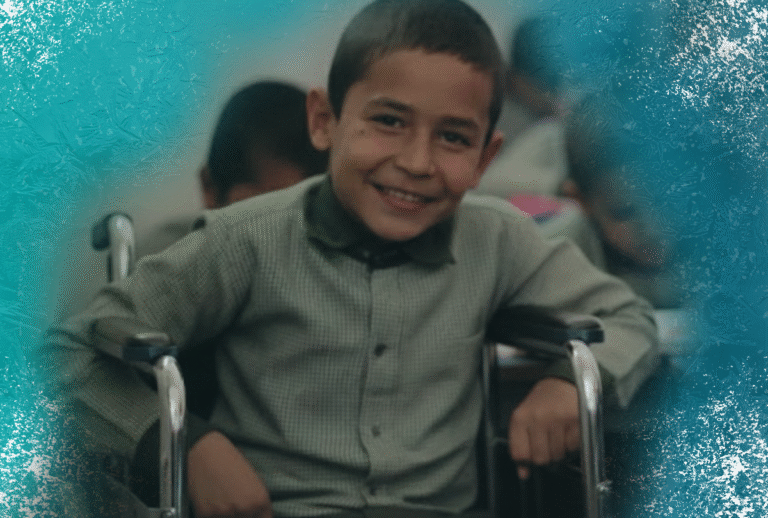
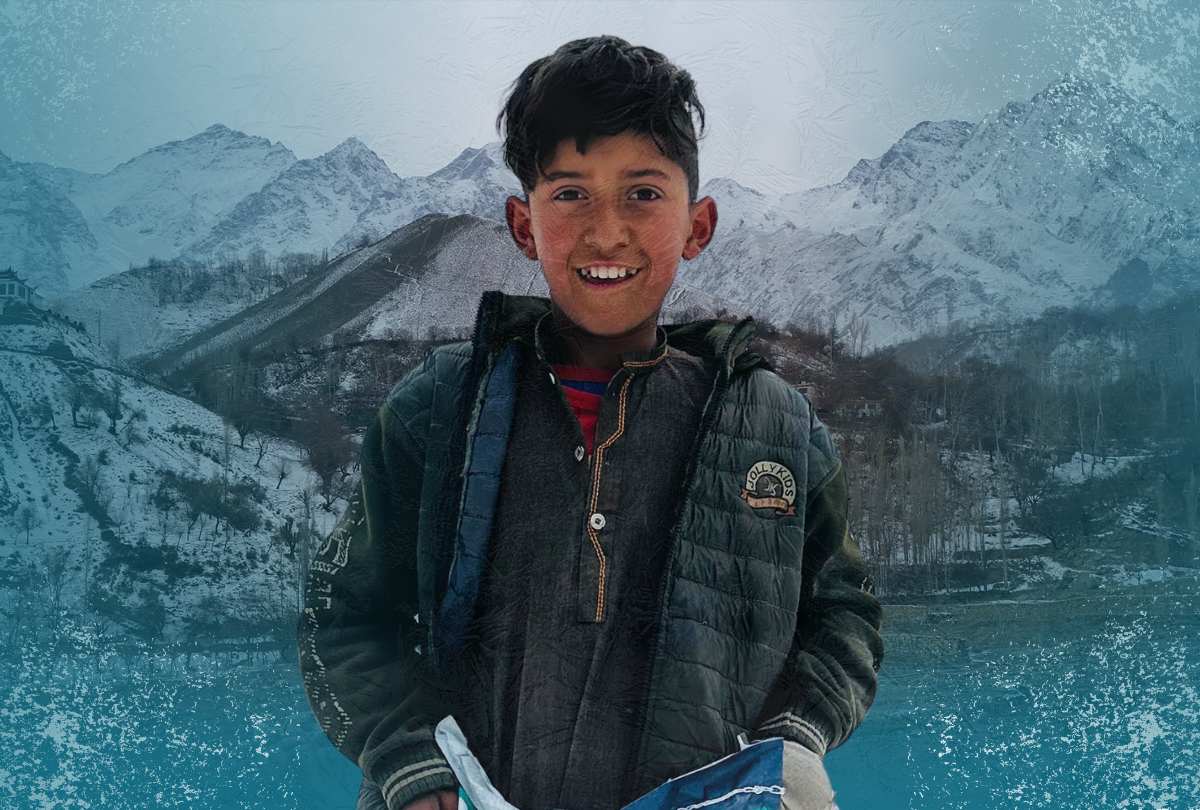
Winter brings this teaching into sharp focus. In regions such as Afghanistan, Pakistan, Iraq, and Lebanon, many families face cold weather without proper heating or warm clothing.
Winter conditions can be harsh, unpredictable, and unforgiving.
In Canada, where warm homes, heated buildings, and winter clothing are widely available, Muslims are encouraged to express gratitude by helping those who face winter without these supports.
Compassion becomes a bridge between comfort and hardship, and an embodiment of Islamic teachings.
How Winter Reveals Human Need and Human Potential
Canadian winters are well-known for their intensity.
While many Canadians prepare months ahead (buying snow tires, winter coats, and home heating supplies), millions of families around the world enter the season with limited resources.
Islam encourages believers to notice this imbalance.
When we recognize our blessings, we’re urged to share them.
Compassion in Islam is not passive; it pushes us to respond to those in distress with empathy, generosity, and meaningful support.
Why Compassion in Islam Is an Active Responsibility
Moving From Emotion to Action in Islamic Teachings
In Islam, compassion becomes powerful when it moves beyond emotion and turns into action.
Whether offering warmth, sharing food, or providing financial assistance, every act of generosity reflects a deep connection to Allah (swt) and to the teachings of Prophet Muhammad (saww).
Islam teaches that even the smallest act matters.
A kind word, a comforting gesture, or a small donation can create long-lasting impact.
In winter, when challenges are greater, this impact becomes even more significant.
Everyday Acts of Warmth: Small Deeds, Big Impact
Acts of compassion can take many forms:
- Donating warm jackets and boots to local shelters
- Preparing care packages for those experiencing homelessness
- Checking in on elderly neighbours or community members
Canadian Muslims often lead the way in these initiatives, turning the values of their faith into meaningful service.
Lessons of Compassion From the Ahlulbayt (as)
Imam Ali (as): Quiet Service and Humility
Imam Ali (as) was known for serving others in quiet, humble ways.
As leader of the Muslim community, he still carried food and firewood to households in need.
His example teaches us that true compassion doesn’t seek recognition; it seeks to uplift people with sincerity.
Lady Fatima (sa): Giving Without Hesitation
Lady Fatima (sa) showed remarkable compassion by giving even when she had very little.
Her example demonstrates that generosity starts with intention, not wealth.
She reminds us that compassion is most powerful when it comes from the heart.
Imam Sajjad (as): Hidden Generosity
Imam Sajjad (as) took great care to protect the dignity of the families he supported.
He delivered aid at night so that no one would feel shame or embarrassment.
His actions highlight that compassion in Islam is deeply tied to honouring the dignity of others.
How Compassion in Islam Strengthens Communities
Dignity-Centered Support for Families in Need
Islam teaches that giving should never demean or burden those receiving help.
Instead, compassion should uplift and preserve dignity.
This principle guides Islamic charity around the world and is especially important during winter when families face added stress.
Creating a Culture of Mercy in Local Communities
Muslims across Canada have built strong traditions of winter generosity.
Mosques and community centres organize:
- Coat drives
- Winter food programs
- Fundraisers for global relief efforts
- Outreach for seniors and low-income families
- Youth-led service projects
These efforts help transform compassion from a belief into a lifestyle.
Modern Expressions of Islamic Compassion in Winter
Supporting Families Facing Hardship
Families in many regions lack access to safe heating, winter clothing, or even daily meals.
Compassion in Islam encourages Muslims to support these families through charitable giving, advocacy, and prayer.
Community Relief Efforts: Food, Clothing, and Warmth
Across Canada, Muslims play a vital role in winter relief efforts. They participate in:
- Local shelter support
- Clothing drives
- Community kitchens
- Fundraising for international aid
These acts reflect the Islamic teaching that believers are like one body; when one part suffers, the whole responds with care.
The Role of Dua and Spiritual Care
Beyond material support, prayer connects hearts and communities.
Making dua for those facing hardship is its own form of compassion, offering spiritual comfort in moments of struggle.
The Zahra Trust: Turning Faith into Action
Winter Relief Programs That Restore Hope
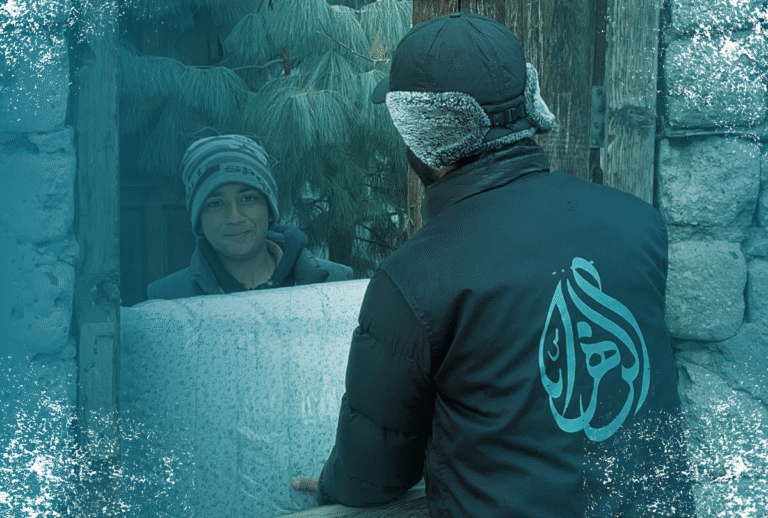
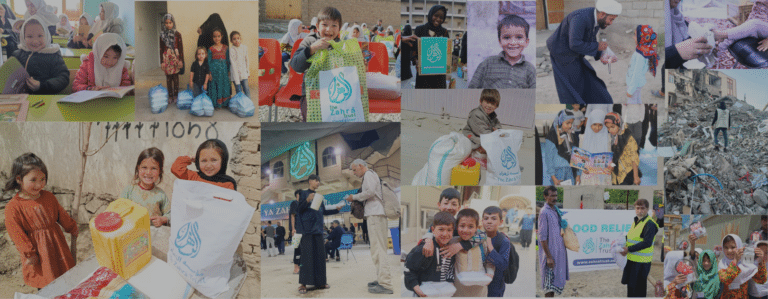
With help from donors around the world, The Zahra Trust provides essential winter aid.
During winter 2024:
- 33,774 individuals received direct support
- 15,620 people received warm meals
- 621 individuals received protective winter clothing
- 73 families gained access to new heating systems
These numbers reflect more than statistics; they represent families whose lives were uplifted by compassion.
How Donors Multiply Their Impact Through Compassion
Every donation, whether large or small, contributes to warmth, dignity, and hope.
Verse 261 from Surah Al-Baqarah reminds us that Allah (swt) multiplies sincere charity many times over.
Donors help extend this impact around the world, especially in winter when families need it most.
How You Can Be a Source of Warmth This Winter
Simple Acts of Care You Can Offer Today
- Donate winter clothing or blankets
- Support local food banks or shelters
- Assist newcomer families adjusting to the winter
- Join mosque-led winter initiatives
- Make dua for families experiencing hardship
Giving With Sincerity: The Heart of Islamic Charity
Compassion in Islam is rooted in intention.
When we give for the sake of Allah (swt), every act becomes a source of blessing.
Even the smallest gesture may be the warmth someone has been praying for.
Carrying Warmth Into Every Season
Compassion in Islam reminds us that winter is more than a time of cold; it’s a reminder of our responsibility to one another.
Every act of kindness brings warmth to the world, reflecting the mercy taught in the Quran and lived by the Ahlulbayt (as).
When we share warmth with those in need, we become a source of comfort, hope, and light
FAQ
Compassion is a form of worship. Offering warmth or relief in winter aligns with Quranic teachings and the examples of the Ahlulbayt (as).
Quran 2:261 teaches that charity given sincerely is multiplied many times. Giving during hardship carries a special reward.
Through humility, quiet service, and generosity. Figures like Imam Ali (as), Lady Fatima (sa), and Imam Sajjad (as) modelled sincere, dignified giving.
- Donate warm clothing
- Help newcomer families
- Support local shelters
- Participate in mosque drives
- Pray for those in need
Your compassion provides winter clothing, meals, heaters, and essential support to families in need while maintaining dignity and respect.