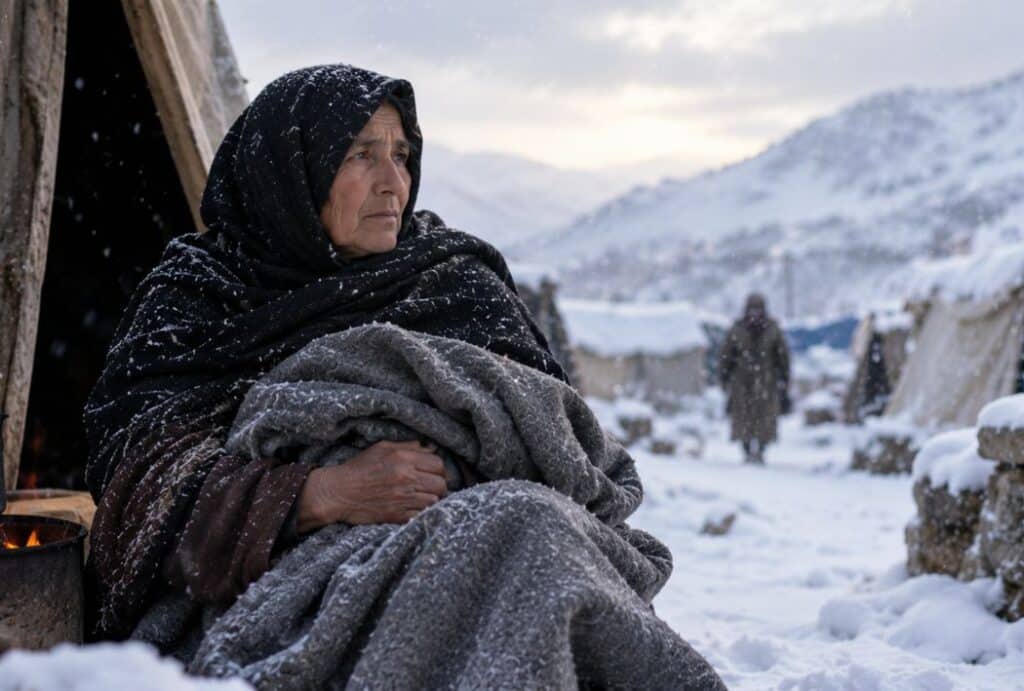
For many people, winter means shorter days, colder mornings and finding a warm place to stay.
But for families already living in poverty or crisis, winter can mean much more.
When people do not have enough heating, warm clothing, food or safe shelter, falling temperatures can quickly become a serious threat to their health and wellbeing.
This is when winter becomes more than a season. It becomes a humanitarian issue.
Why Can Winter Be Dangerous?
Cold weather does not affect everyone equally.
A family with reliable heating, a safe home, warm clothes and enough food may simply experience winter as an uncomfortable part of the year.
But families living in poverty may have to make difficult choices. Heating a home can be expensive. Food may already be limited. Homes may not provide enough protection from freezing temperatures. In remote areas, reaching essential supplies can also be difficult.
For children, older people and others who are already vulnerable, prolonged exposure to cold can increase the risks they face.
That is why winter support is about much more than keeping people comfortable.
It can help protect health, preserve dignity and reduce the risks that come with severe cold.
When Does Winter Become a Humanitarian Issue?
Winter becomes a humanitarian concern when people do not have the resources they need to stay safe through the coldest months.
This can happen when several challenges come together.
When families cannot afford heating
For households already struggling to meet their basic needs, the cost of heating can be out of reach.
Heating fuel, fuel stoves and other forms of winter support can help families keep their homes warm when they would otherwise have to go without.
When people lack warm clothing and blankets
A coat or blanket might seem simple, but during freezing weather these essentials can make a significant difference.
Winter distributions can provide families with warm clothing and blankets to help protect them from the cold.
When food becomes harder to access
Winter can make daily life more difficult, particularly in isolated communities.
When families are already facing food insecurity, providing meals alongside winter essentials can help them meet their basic needs during the colder months.
When communities are isolated
Some of the people most affected by winter live in remote or hard-to-reach areas.
High-altitude communities can experience severe cold for prolonged periods, while difficult roads and limited infrastructure can make it harder for families to access support.
Humanitarian winter aid therefore needs to reach people where the risks are greatest — not only where it is easiest to deliver.
What Does Winter Humanitarian Aid Look Like?
Winter aid can take different forms depending on what a community needs.
This can include:
- Blankets
- Heating fuel
- Fuel stoves
- Warm clothing
- Essential food assistance
- Hot meals
The aim is simple: to help vulnerable families get through the winter safely and with dignity.
In 2025, The Zahra Trust provided winter relief across Iraq, Afghanistan, Lebanon, Pakistan, Yemen and other parts of the Middle East.
Support prioritised neglected and hard-to-reach communities, including high-altitude areas where freezing temperatures arrive early and remain severe.
This included communities in Parachinar in Kurram District, as well as areas such as Sar-e Pol.
What Your Support Can Make Possible
In 2025, The Zahra Trust’s Winter Aid response reached:
27,800 beneficiaries
123,000 meals distributed
7,905 individuals received winter essentials
Behind every number is a person who may have been facing a difficult winter without enough warmth, food or protection.
A blanket can help someone sleep more comfortably.
Heating fuel can help keep a home warm.
Warm clothing can provide protection from freezing temperatures.
A meal can help a family meet a basic need when resources are already stretched.
Together, these forms of assistance can help reduce the risks that vulnerable families face during winter.
Winter Relief Is About More Than Warmth
Humanitarian aid is often associated with emergencies such as conflict, displacement or natural disasters.
But a crisis does not always arrive suddenly.
For a family already living with poverty, inadequate housing or limited access to basic services, a harsh winter can make existing difficulties even harder to manage.
Winter relief responds to that added pressure.
It helps families prepare for the coldest months rather than being left to face them alone.
This is why seasonal humanitarian support matters.
A Qur’an Reminder
The Qur’an reminds us of the importance of caring for people in need:
“And they give food, despite loving it, to the needy, the orphan, and the captive.”
— Qur’an 76:8
Giving is not only about providing something material.
It is about recognising that someone else is facing a need and choosing to respond.
During winter, that response can mean helping a family stay warm, providing food or making sure vulnerable people have essential supplies before the coldest months arrive.
How Can We Help Families Prepare for Winter?
The most effective winter response begins before temperatures reach their lowest.
Providing support earlier in the season can give families the essentials they need before severe weather makes life even more difficult.
Together, we can help ensure that people facing hardship are not left to endure the cold alone.
Frequently Asked Questions
When does winter become a humanitarian issue?
Winter becomes a humanitarian issue when vulnerable people do not have the resources needed to stay safe and warm, such as adequate shelter, heating, clothing, blankets and food.
Why is winter aid important?
Winter aid helps protect vulnerable families from the risks associated with severe cold. It can provide essential items such as blankets, warm clothing, heating fuel, food and other seasonal support.
Who is most vulnerable during winter?
Children, older people and households already experiencing poverty or difficult living conditions can face greater risks during severe winter weather.
What does winter humanitarian aid provide?
Winter humanitarian aid can include blankets, heating fuel, fuel stoves, warm clothing and food assistance, depending on the needs of the community.
Where does The Zahra Trust provide winter aid?
The Zahra Trust provides winter relief in vulnerable communities across countries including Iraq, Afghanistan, Lebanon, Pakistan and Yemen, as well as other areas of the Middle East.
How can I support winter humanitarian aid?
You can support winter humanitarian aid through The Zahra Trust, helping provide practical assistance to families facing difficult and potentially dangerous winter conditions.
More from Blog

Why Did the Prophet (saww) Call Fatima (sa) “A Part of Me”?
Discover why Prophet Muhammad (saww) called Sayyida Fatima (sa) “a part of me” and what his words teach us about love, faith…
The Story of Sayyida Fatima (sa) and Her Wedding Dress
Discover the story of Sayyida Fatima (sa) giving away her wedding dress and what this beautiful example teaches us about generosity, sacrifice…

What Sayyida Fatima (sa) Teaches Us About Giving
Discover what Sayyida Fatima (sa) teaches us about generosity, sacrifice and caring for others, and how her example can inspire the way…