How to Prepare for Eid in Islam: Meaningful Steps for the Heart, Home, and Global Community
As Eid approaches, many households become busy with preparation.
Clothes are laid out, kitchens are filled with familiar aromas, and plans are made to gather with loved ones.
The anticipation is joyful and well deserved after a month of fasting.
Still, there is a quieter question worth asking.
Are we preparing our hearts for Eid as carefully as we prepare our homes?
In Eid in Islam, celebration is closely tied to gratitude, reflection, and spiritual awareness.
Without this inner preparation, the day can feel rushed or incomplete.
With it, Eid becomes grounding, peaceful, and deeply rewarding.
The Quiet Weight Many Carry into Eid
Eid does not arrive the same way for everyone.
Some feel relief mixed with regret over goals not fully met during Shahr Ramadan.
Others carry emotional weight from unresolved family issues or personal struggles.
Many are also mindful that while they prepare to celebrate, people across the world are facing food insecurity, displacement, or hardship.
Eid preparation in Islam invites awareness of these realities.
It encourages believers to approach Eid with empathy, humility, and care for others.
Realigning Our Intentions Before Eid
Before the day arrives, taking time to pause can make a meaningful difference.
Preparing for Eid involves renewing intention, thanking Allah (swt) for guidance, and making space for generosity.
It means recognizing that worship, reconciliation, and charity are connected.
Helping those in need is not separate from Eid preparation. It is one of its most important expressions.
What Eid Could Feel Like with the Right Preparation
Imagine an Eid marked by calm hearts and sincere gratitude.
Prayers are offered with focus. Families reconnect with warmth.
Forgiveness is extended. Those facing hardship are supported, allowing them to experience Eid with dignity.
Allah (swt) reminds us of the purpose behind completing the month of Ramadan:
“You should complete the number (of fasting days and, at the end of Shahr Ramaḍan), you may glorify Allah (swt) (by saying takbīr) for having guided you; and (hopefully,) you may thank Him.”
Surah Baqarah, Verse 185
This verse reminds us that Eid flows naturally from worship and gratitude.
Is My Heart Ready for Eid?
Before the celebrations begin, reflection is essential.
Is my heart ready for Eid?
Preparation starts with sincerity.
Make dua that Allah (swt) accepts your fasting, prayers, and efforts, even if they felt small or incomplete.
Imam Ali (as) is reported to have said:
“Verily it is only a festival for he whose fasts Allah (swt) has accepted and whose prayers He has acknowledged, and every day in which we do not disobey Allah (swt) is a day of celebration.”
Sharh Nahjul Balagha, v.20
Eid is ultimately a reflection of acceptance and obedience.
Preparing for Eid Through Worship and Gratitude
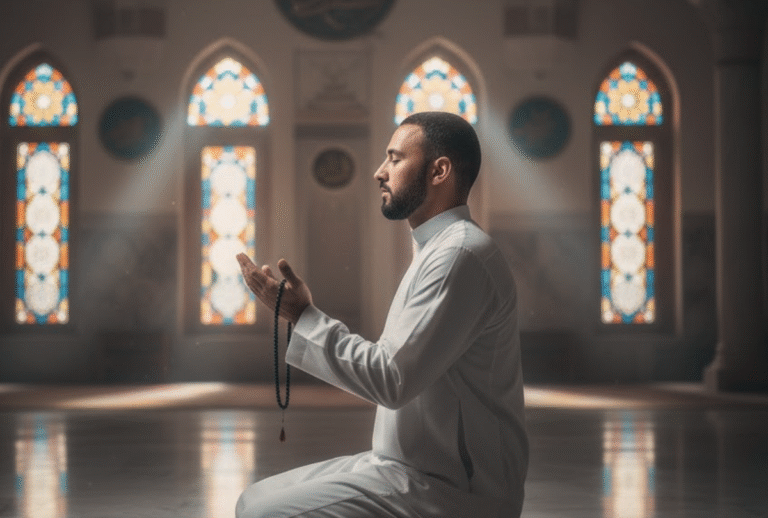
Spiritual Eid preparation is rooted in simple but consistent acts.
Increase dhikr throughout the day.
Express gratitude for guidance, strength, and provision.
Seek forgiveness through istighfar without losing hope.
The Prophet (saww) is reported to have said:
“Adorn the two festivals (Eid al-Fitr and Eid al-Adha) with frequent chants of “La Ilaha Illallah” (There is no god but Allah swt), Allahu Akbar (Allah swt is the Greatest), Al-Hamdu Lillah (All praise is due to Allah swt), and with glorification of Allah (swt).’
Kanz al-Ummal, n.24095
Through remembrance, Eid becomes an act of worship as well as celebration.
Zakat al-Fitr and the Power of Charity
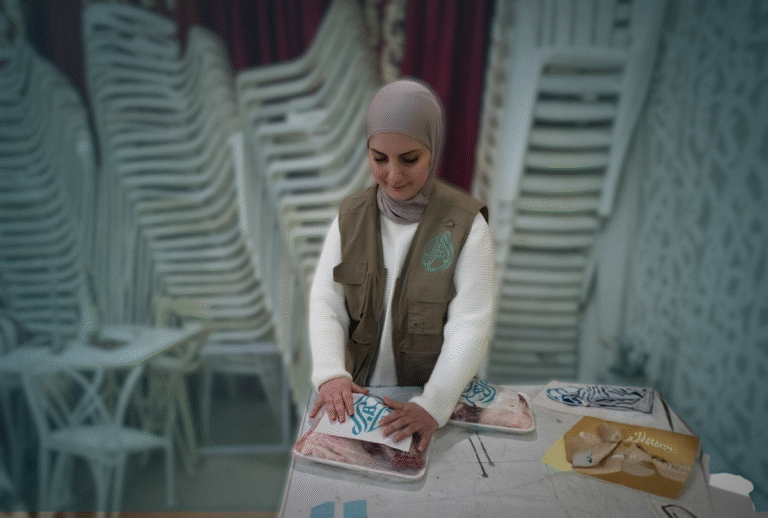
Charity is central to preparing for Eid in Islam.
Giving additional charity strengthens the spirit of care and responsibility within the global community.
Many families struggle to afford food or clothing for Eid.
Healing Relationships Before Eid
Eid is meant to be a time of togetherness.
Preparing for Eid includes addressing strained relationships with patience and humility.
Reaching out, even in small ways, can bring healing and invite peace.
Forgiveness is not always easy, but it is a powerful form of spiritual preparation.
Let Your Eid Preparation Change Someone Else’s Eid
As Eid approaches, let preparation be intentional.
Prepare your heart through remembrance. Prepare your soul through gratitude. Prepare your celebration by supporting those in need.
When your Eid joy helps ease someone else’s hardship, it becomes deeper, lasting, and more meaningful.
That is the heart of preparing for Eid.
FAQ
Muslims prepare for Eid by combining worship, gratitude, charity, and reconciliation. This includes completing Shahr Ramadan with sincerity, giving Zakat al-Fitr, increasing remembrance of Allah (swt), and strengthening relationships.
Spiritual preparation ensures that Eid is not just a celebration, but a meaningful moment of gratitude and acceptance. It helps Muslims approach Eid with peace, humility, and joy rooted in faith.
Charity purifies fasting and allows those in need to celebrate Eid with dignity. Giving before Eid strengthens the global community and ensures joy is shared rather than limited.
According to Ayatollah Sayyid Sistani (ha), Zakat al-Fitr should be paid after Maghrib on the night of Eid and before the Eid prayer. If the Eid prayer is not performed, it should be paid before Dhuhr on the day of Eid.
No Ramadan is perfect. What matters is sincerity. Seek forgiveness, make dua for acceptance, and approach Eid with gratitude and renewed intention.
When Muslims prepare for Eid through charity, forgiveness, and shared responsibility, they help build unity and ensure Eid joy reaches beyond individual households.