Is Lady Fatima (sa) buried in Jannat al-Baqi?
Is Lady Fatima (sa), the beloved daughter of Prophet Muhammad (saww), buried in Jannat al-Baqi?
This question has long been approached with care, reflection, and deep respect.
Historical accounts present differing views, and this very uncertainty carries emotional and spiritual meaning for many Muslims.
Exploring this topic offers insight not only into early history but also into the lasting legacy of one of Islam’s most honoured figures.
Who was Lady Fatima (sa)?
Lady Fatima (sa) was the daughter of Prophet Muhammad (saww) and Lady Khadija bint Khuwaylid.
She was the wife of Imam Ali (as) and the mother of Imam Hassan (as), Imam Hussain (as), Lady Zainab (sa), and Lady Umm Kulthum (sa).
She is widely revered across Muslim traditions for her devotion, strength, generosity, and her close relationship with her father.
As a central figure within the Ahlulbayt (as), her life continues to inspire reverence and reflection across generations.
The Prophet (saww) is narrated to have said:
“Fatima (sa) is a part of me; whoever pleases her, pleases me, and whoever displeases her, displeases me. She is dearer to me than all beings.”
Al-Amali of Shaykh Mufid, a.31, h.2
Is she buried in Jannat al-Baqi?
The question of whether Lady Fatima (sa) is buried in Jannat al-Baqi remains a subject of historical discussion.
Other narrations indicate that she was buried in her own home, located next to Masjid al-Nabawi.
When Imam al-Ridha (as) was asked about Lady Fatima’s (sa) grave, he is narrated to have said:
“She was buried in her own house. When the Amawids enlarged the (Prophet’s) Mosque it became part of the Mosque.”
Al-Kafi, v.1 h.9
Over time, expansions of Masjid al-Nabawi and structural changes in the area have made it difficult to determine the exact location with certainty.
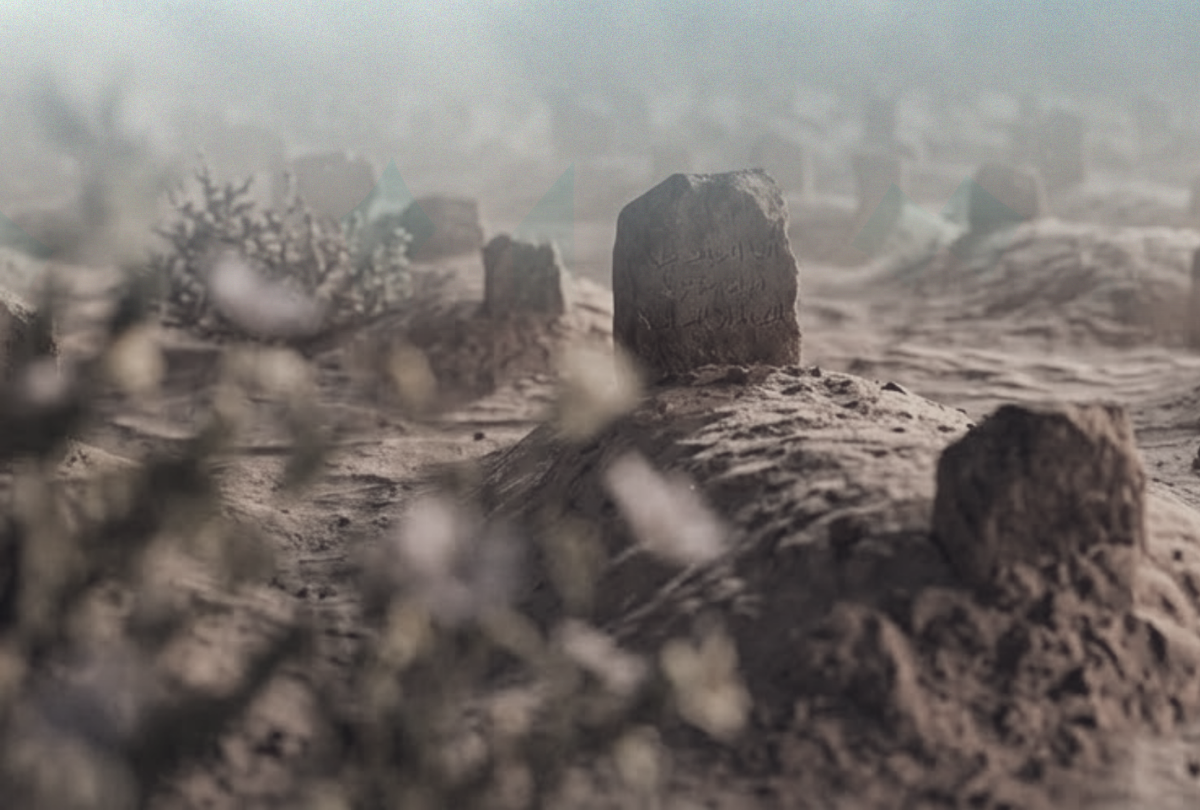
Today, there is no universally agreed-upon or clearly marked grave attributed to her.
Why is her burial uncertain?
Several historical factors contribute to the uncertainty surrounding her burial place.
One widely reported reason is that Lady Fatima (sa) requested a private burial.
Historical sources connect this request to the events that followed the Prophet’s (saww) passing, during which her rights, including Fadak, were taken from her, and she faced hardship, which led to her martyrdom.
It is understood that she wished those she was displeased with would not attend her funeral or visit her grave, which helps explain the secrecy surrounding her burial.
In addition, the expansion of Masjid al-Nabawi over time has significantly altered the original layout of the area, making it more difficult to identify precise historical locations.
Why does the question matter?
The question of Lady Fatima’s (sa) burial place carries deep emotional and spiritual significance.
Her status in Islamic tradition is uniquely elevated, and her life continues to inspire the global community.
The Prophet (saww) is narrated to have said:
“The Sublime God becomes angry whenever Fatima (sa) becomes angry and becomes pleased whenever she becomes pleased.”
Uyun Akhbar al-Rida, h.176
This reflects the depth of her spiritual standing.
For many, the fact that she was buried at night and in secrecy raises an important question.
This continues to be part of a broader historical and spiritual conversation.
Importantly, the absence of a clearly marked grave does not diminish her significance.
Her legacy lives on through devotion, scholarship, and the continued reverence of her family lineage.
The Quran tells us:
“Surely We have given you (descendants) in abundance.”
Surah Al-Kawther, Ayah 1
This verse is often reflected upon in connection with the enduring legacy of the Prophet (saww) and the Ahlulbayt (as), including Lady Fatima (sa).
What remains certain
While historians may differ on the exact location of her burial, many aspects of Lady Fatima’s (sa) life remain clear and deeply respected.
Her life was defined by worship, resilience, compassion, and moral clarity.
As a central member of the Ahlulbayt (as), she holds a lasting place in Islamic thought and devotion.
Her influence continues to shape generations.
Through her example, her teachings, and her family, her presence in Islamic memory remains strong and enduring.
While the question “Is Lady Fatima (sa) buried in Jannat al-Baqi?” may not have a single agreed answer, her legacy remains certain, honoured, and deeply cherished.
A legacy beyond location
Lady Fatima (sa) remains one of the most honoured and beloved figures in Islamic history.
While the question of her burial place continues to invite reflection, it does not define her legacy.
Her life, values, and lasting influence continue to guide and inspire believers across generations.
Frequently Asked Questions
No, there is no universally agreed-upon or clearly marked grave attributed to Lady Fatima (sa).
Some historical reports suggest this due to the burial of many members of the Prophet’s family and companions there.
Other narrations state that she was buried in her home, which later became part of Masjid al-Nabawi.
Historical sources report that Lady Fatima (sa) requested a private burial following the events after the Prophet’s (saww) passing, including the loss of her rights and the hardships she faced. It is believed she wished that those she was displeased with would not attend her funeral or visit her grave, which helps explain why she was buried at night and why no clearly marked grave remains.
No, her importance remains rooted in her life, character, and role within the Ahlulbayt (as).
It continues to hold historical, spiritual, and emotional significance for many Muslims seeking to better understand early Islamic history.