Learning a Skill and Changing a Life: How Women are Building Futures Through Education
The Qur’an states:
“Allah will raise those of you who believe and those who are given knowledge in degrees.”
Surah Al-Mujadilah, Verse 11
This timeless reminder connects faith with learning — emphasising that knowledge elevates both the individual and the community.
For Canadian Muslims supporting global humanitarian work, women’s education stands as a powerful investment in lasting change.
The Zahra Trust’s educational initiatives help break barriers that prevent women and girls from accessing schooling, training, and skills that could transform lives and strengthen families.
This aligns with the Trust’s mission of empowering individuals to not just survive, but thrive.
Education and Opportunity for Women
Equality Through Learning
In many regions supported by The Zahra Trust, economic hardship forces children — especially girls — out of school.
Islamic Ethos of Education
Islam honours knowledge as a source of dignity, empowerment and spiritual reward.
Supporting women to learn and earn is consistent with the example of Lady Fatima al-Zahra (sa) — a figure of resilience and wisdom in Shia Islam.
The Zahra Trust’s Education Programs
The Zahra Trust’s support includes:
- Access to formal education — fees, books, uniforms and meals.
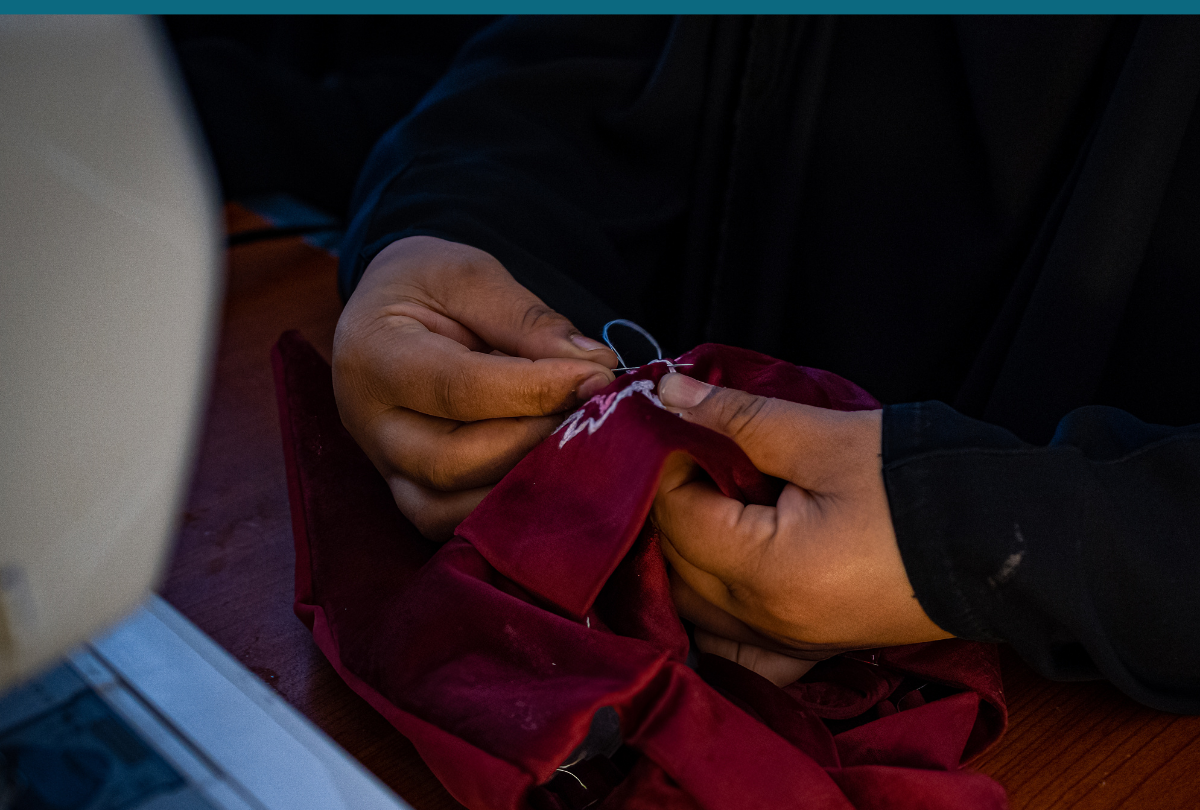
- Skills training and livelihood education — empowering women to earn.
- Facilities upgrades — ensuring safe, accessible learning environments.
These initiatives provide not just knowledge, but the practical means to build self-sufficient, hopeful futures.
When a woman learns, families flourish, communities grow stronger, and futures become brighter — all grounded in faith and compassion.
FAQ
Educated women contribute to healthier families, stronger economies and resilient communities.
Yes — training and vocational education are part of the Trust’s programs.
Supporting education abroad reflects shared values of compassion, justice and community upliftment.
Yes — donors may direct funds to education and skills training initiatives.
It equips mothers with skills that benefit their children’s health, learning and economic opportunity.
Skills may include vocational training, literacy support, and livelihood-enhancing education that leads to employment and independence.