

Have you ever felt overwhelmed, anxious, or emotionally drained? Life’s challenges can feel heavy, and sometimes it’s hard to find a sense of calm.
In these moments, we often look for reassurance and clarity.
The Qur’an offers timeless guidance – not just for our spiritual lives, but for our emotional well-being as well.
For Muslims, the teachings of the Ahlulbayt (as) provide additional insight into how we can manage emotional struggles with patience, strength, and trust in Allah (swt).
What does the Qur’an say about mental health?
Although the term “mental health” is not directly mentioned, the Qur’an speaks deeply about human emotions – acknowledging feelings of sadness, fear, and worry.
Allah (swt) says:
“Verily, in the remembrance of Allah do hearts find rest.”
Surah Ar-Ra’d, Ayah 28
This verse reminds us that true peace comes from connection with Allah (swt).
Understanding emotional struggles through faith
The Qur’an teaches us that emotional hardship is a natural part of life. Even Prophets (as) experienced deep emotional pain:
- Prophet Yaqub (as) grieved deeply
- Prophet Yunus (as) faced isolation and distress
These examples show that feeling overwhelmed does not mean a lack of faith.
How the Qur’an supports mental well-being
The Qur’an offers practical guidance to help strengthen mental health:
- Dhikr (Remembrance of Allah (swt))
- Sabr (Patience)
- Tawakkul (Trust in Allah (swt))
- Hope in Allah’s Mercy
At The Zahra Trust, we understand the importance of mental well-being in our communities. Faith can be a powerful source of healing and resilience.
By supporting one another and staying connected to Allah (swt), we can navigate life’s challenges with strength and hope.
FAQs
Yes, through emotional and spiritual guidance.
Through remembrance, patience, and trust in Allah (swt).
Yes, it is part of being human.
Remembering Allah (swt).
Surah Ar-Ra’d (13:28).
Through faith, dua, and reflection.
More from Blog
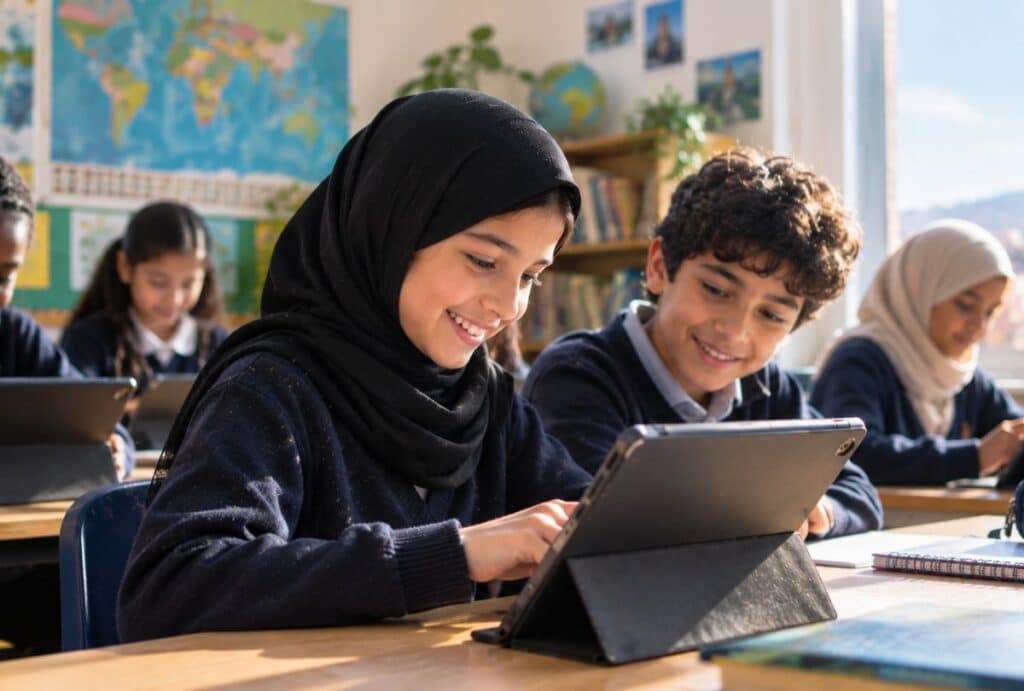
Bridging the Digital Divide Through Education
Explore how technology can make education more accessible and create equal learning opportunities for children. Support digital inclusion and help equip young…
The Future Starts with Education
Help vulnerable children access education, technology and skills for a brighter future. Support The Zahra Trust with a Back to School gift…
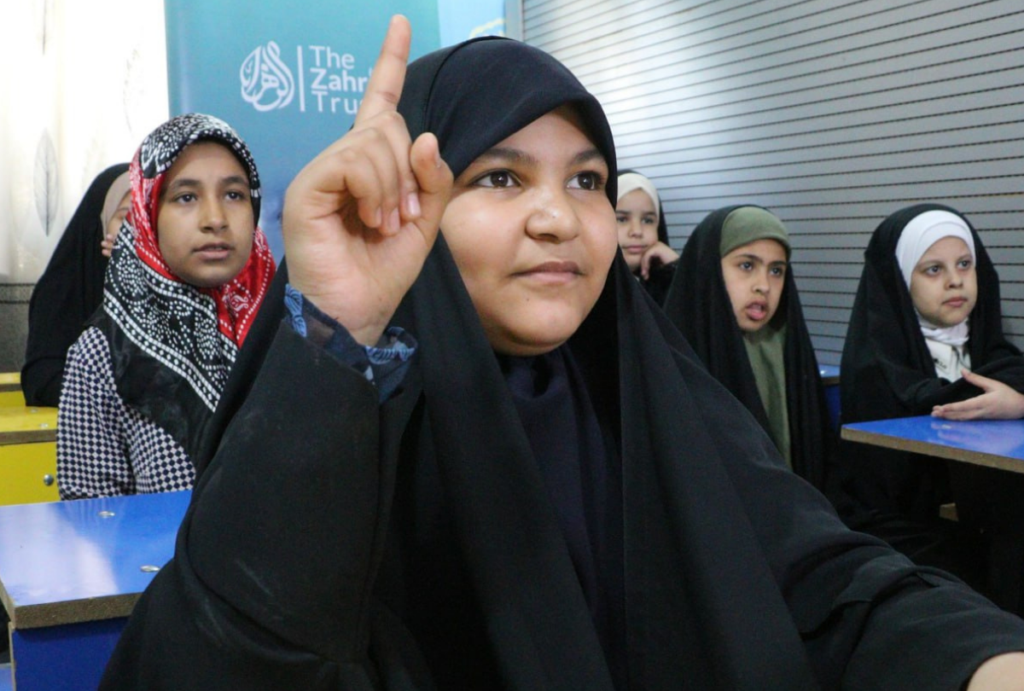
Rebuilding Futures Through Education: Restoring Hope, Dignity and Opportunity
When communities experience crisis, the effects can continue long after the immediate hardship has passed. Conflict, poverty, and displacement can interrupt a…