
What if every mosque became a place not only for worship – but also for protecting the environment?
Across Canada, Muslim communities are recognising that environmental care is part of their duty. Climate change is already impacting vulnerable populations, making action more urgent than ever.
The Zahra Trust helps guide this understanding by linking faith with sustainable action. Through its work, The Zahra Trust highlights that protecting the Earth is part of fulfilling our role as stewards.
Mosques as centres of change
Mosques play a vital role in community life. They can lead climate-conscious initiatives such as:
- Eco-friendly majalis with reduced waste
- Community clean-up efforts
- Sustainable iftar events during Ramadan
- Educational workshops on ethical and mindful living
These initiatives strengthen both community bonds and environmental awareness.
Small actions, big impact
Small steps – like switching to reusable items, reducing food waste, and encouraging public transportation – can have a lasting impact. When communities act collectively, these efforts grow into meaningful change.
The Zahra Trust focuses on sustainable charity, supporting projects such as clean water access and food security. Our work reflects the Quranic principle:
“Indeed, Allah loves those who act justly.”
Surah Al-Ma’idah, Ayah 42
Environmental responsibility is part of justice – ensuring a balanced and sustainable future for generations to come.
FAQs
Why should mosques focus on climate action?
Because Islam teaches stewardship, and mosques can lead positive environmental change.
How can Canadian mosques reduce waste during events?
By using reusable materials, minimizing waste, and promoting recycling.
What is The Zahra Trust’s role in sustainability?
They support sustainable, long-term humanitarian projects worldwide.
Are eco-friendly initiatives difficult to implement?
No, many are simple and practical to adopt.
How can individuals help?
By making sustainable choices and supporting responsible charities.
Is caring for the environment part of Islam?
Yes, it is rooted in Islamic teachings on stewardship and balance.
More from Blog
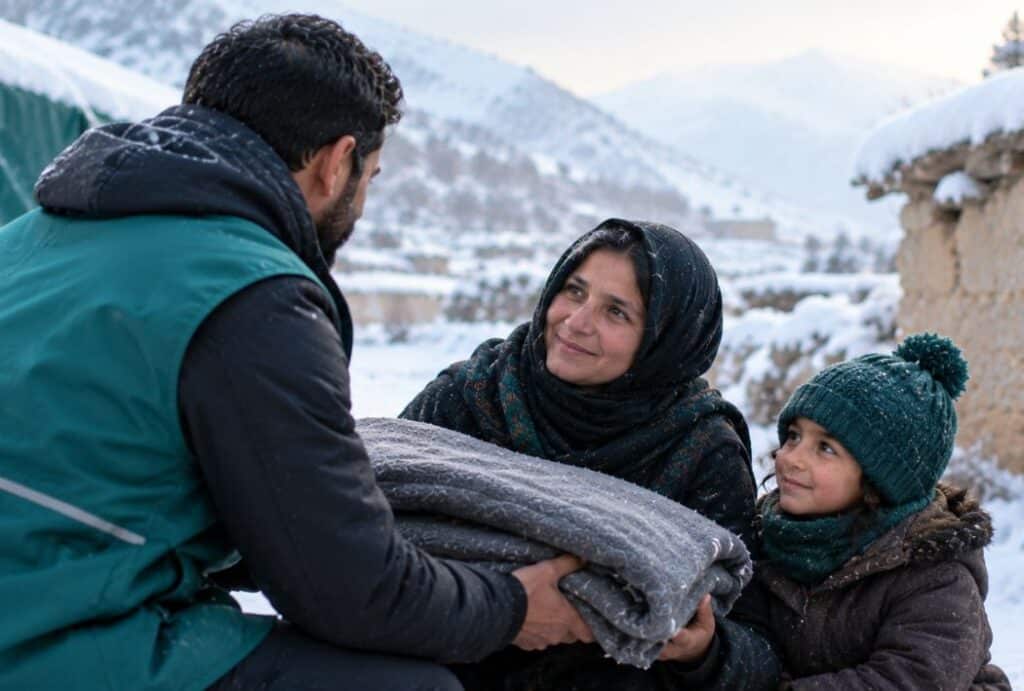
The Everyday Things We Take for Granted in the Winter
From a warm home to dry clothes and a hot meal, discover the everyday winter comforts we often take for granted and…
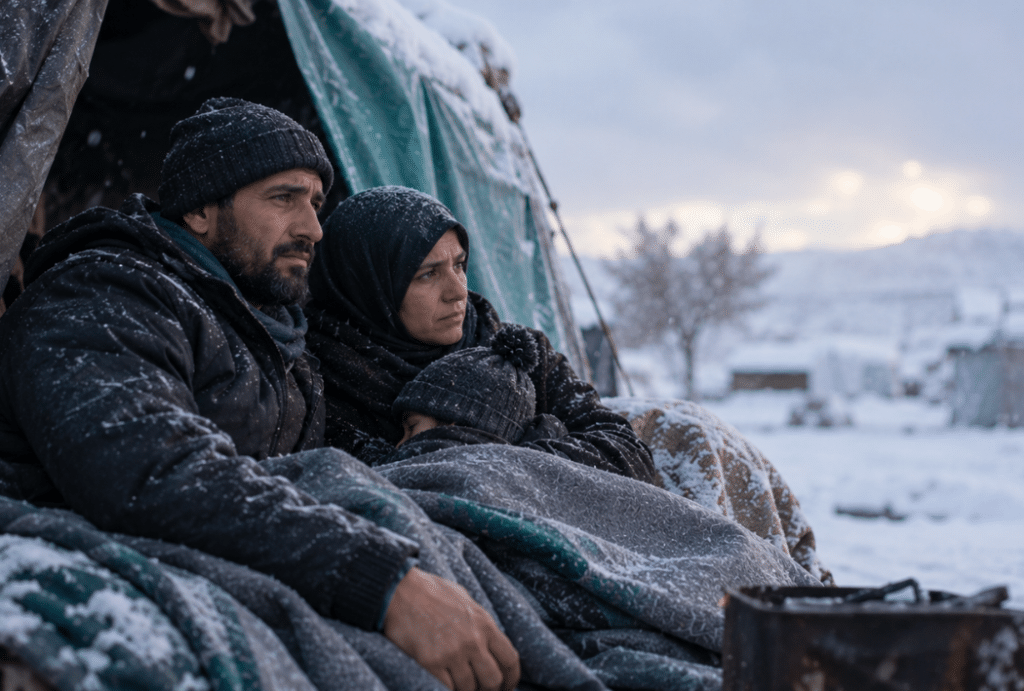
7 Everyday Things That Become Harder When Winter Arrives
Discover how winter can make everyday life harder for families already facing hardship, from staying warm and accessing food to travelling, learning…
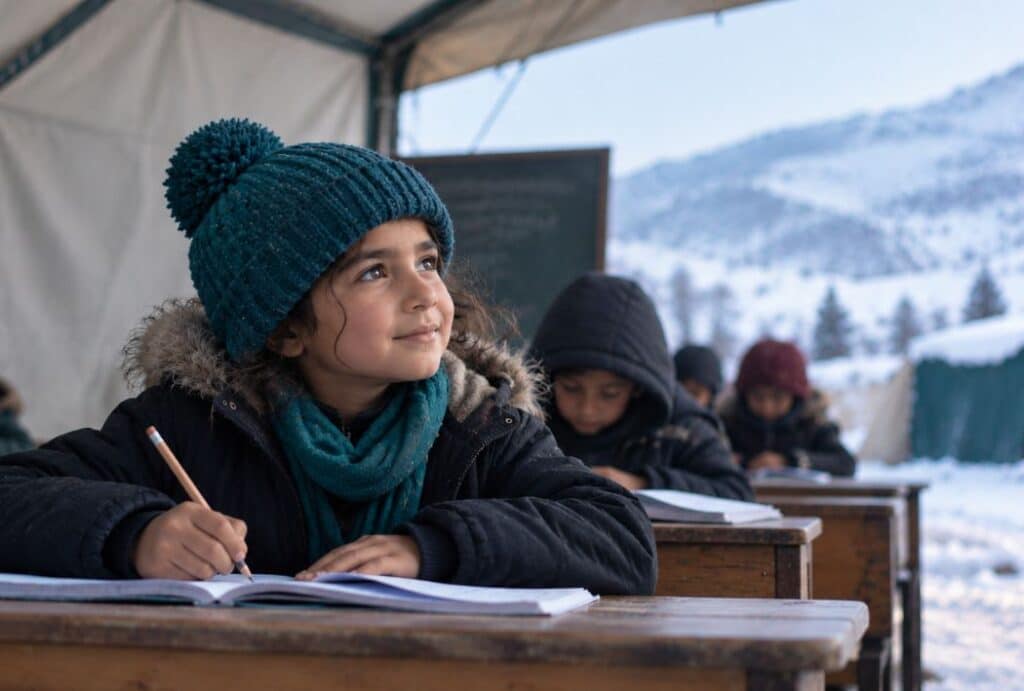
What Prolonged Hardship Can Take Away From a Child
Discover how prolonged hardship can affect a child's routine, education, safety and sense of stability, and why protecting childhood matters in humanitarian…