We often think about the cost of giving. But during Dhul Hijjah, we should also reflect on the cost of not giving.
These sacred days remind us that generosity is not a burden – it is an act of worship. For Muslims, giving Khums, Sadaqah, and charity is a way to purify wealth, strengthen faith, and support those facing hardship.
Allah (swt) says in the Holy Qur’an:
“And whatever you spend in charity, He will compensate it.”
Surah Saba, Ayah 39
When we hold back from giving, we may lose more than we realise. We risk becoming attached to wealth, overlooking those in need, and missing opportunities for immense reward and barakah.
What happens when we don’t give?
Not giving can affect the heart as much as the wallet. Islam teaches us that generosity softens the heart, strengthens compassion, and reminds us that all blessings come from Allah (swt).
The cost of not giving may include:
- Missed spiritual rewards
- Less barakah in wealth
- Ignoring the struggles of others
- Delaying important acts of worship
- Becoming too focused on dunya
Dhul Hijjah is the perfect opportunity to change that and give sincerely for the sake of Allah (swt).
Give with purpose this Dhul Hijjah
Through The Zahra Trust, your donations help support:
- Food assistance
- Orphan support
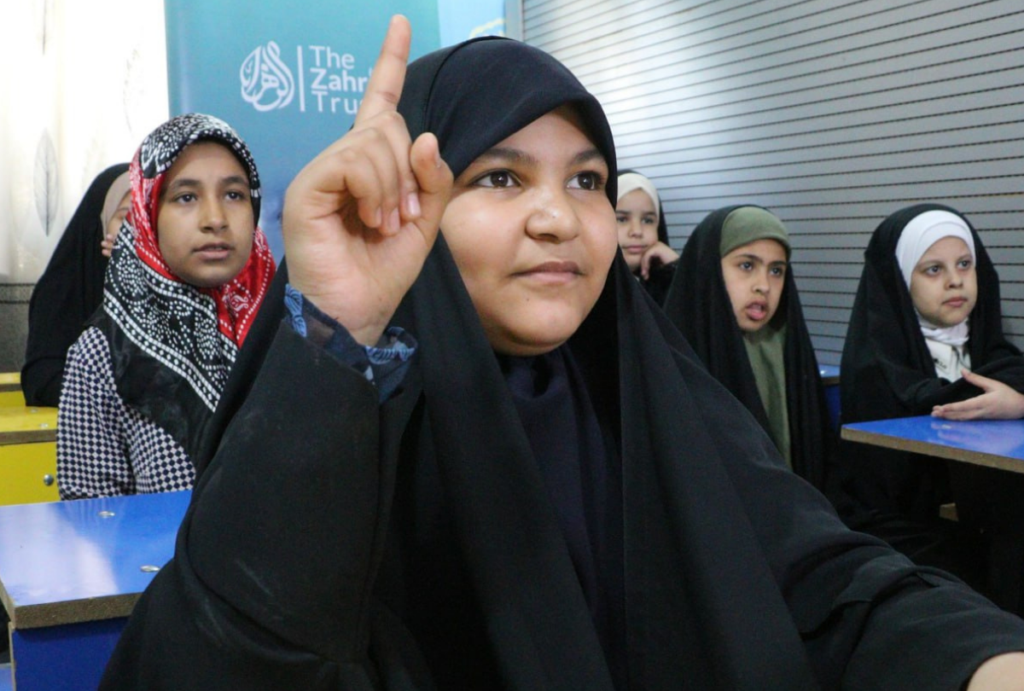
- Islamic education
- Emergency relief
- Vulnerable Shia communities
Every donation, no matter the amount, can make a meaningful impact on someone’s life.
A final reminder
The blessings we have are trusts from Allah (swt). Giving is not losing wealth – it is purifying it and investing in our Akhirah.
Don’t let these sacred days pass without giving something for the sake of Allah (swt).
Support meaningful causes through The Zahra Trust and make your Dhul Hijjah count.
FAQs
Giving purifies wealth, strengthens faith, and supports those who are struggling.
Avoiding charity can lead to missed blessings, spiritual neglect, and attachment to wealth.
The rewards for good deeds and charity during Dhul Hijjah are greatly increased.
Yes. Donations can be made securely online through The Zahra Trust.
Yes. Islam teaches that sincere giving brings blessings and spiritual rewards.
What causes does The Zahra Trust support?
More from Blog
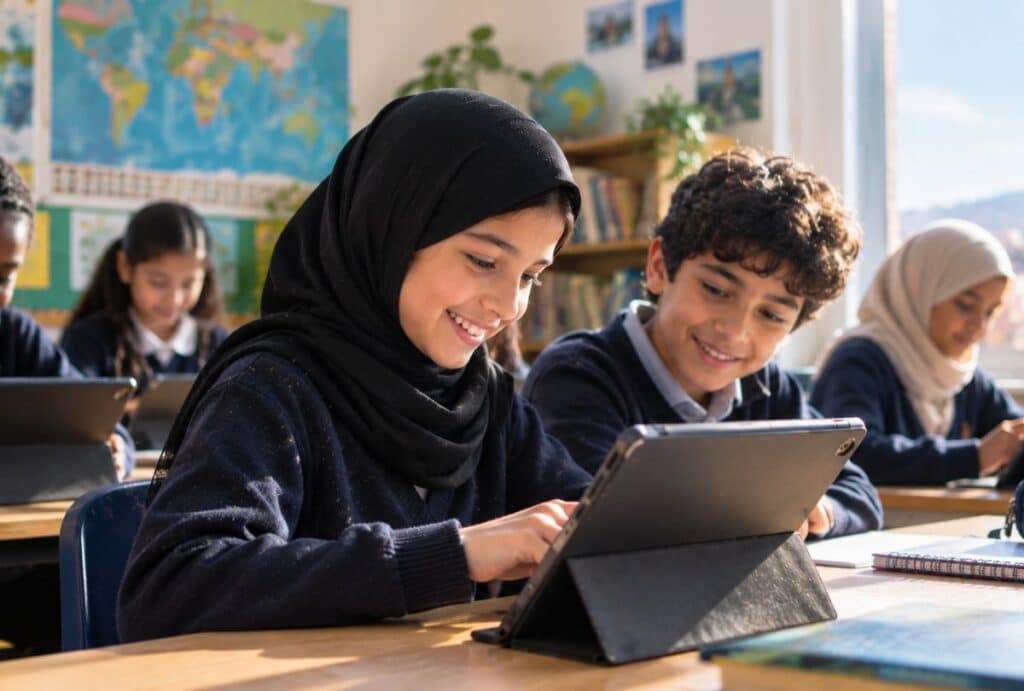
Bridging the Digital Divide Through Education
Explore how technology can make education more accessible and create equal learning opportunities for children. Support digital inclusion and help equip young…
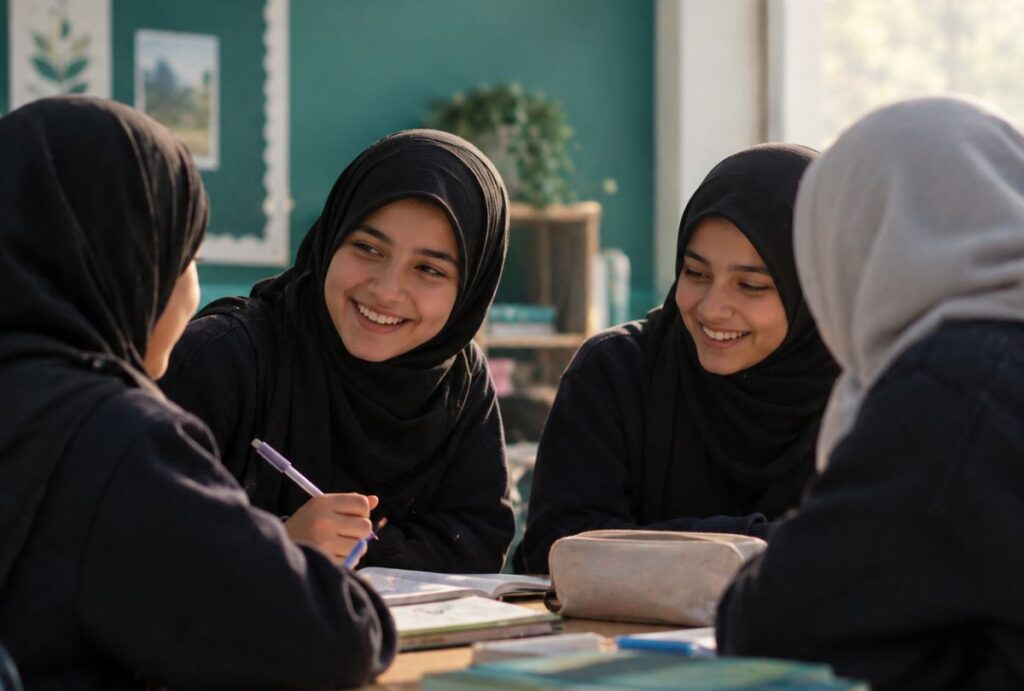
The Future Starts with Education
Help vulnerable children access education, technology and skills for a brighter future. Support The Zahra Trust with a Back to School gift…
Rebuilding Futures Through Education: Restoring Hope, Dignity and Opportunity
When communities experience crisis, the effects can continue long after the immediate hardship has passed. Conflict, poverty, and displacement can interrupt a…