The ethics of resistance in Shia tradition: 5 powerful lessons on justice, prudence and hope
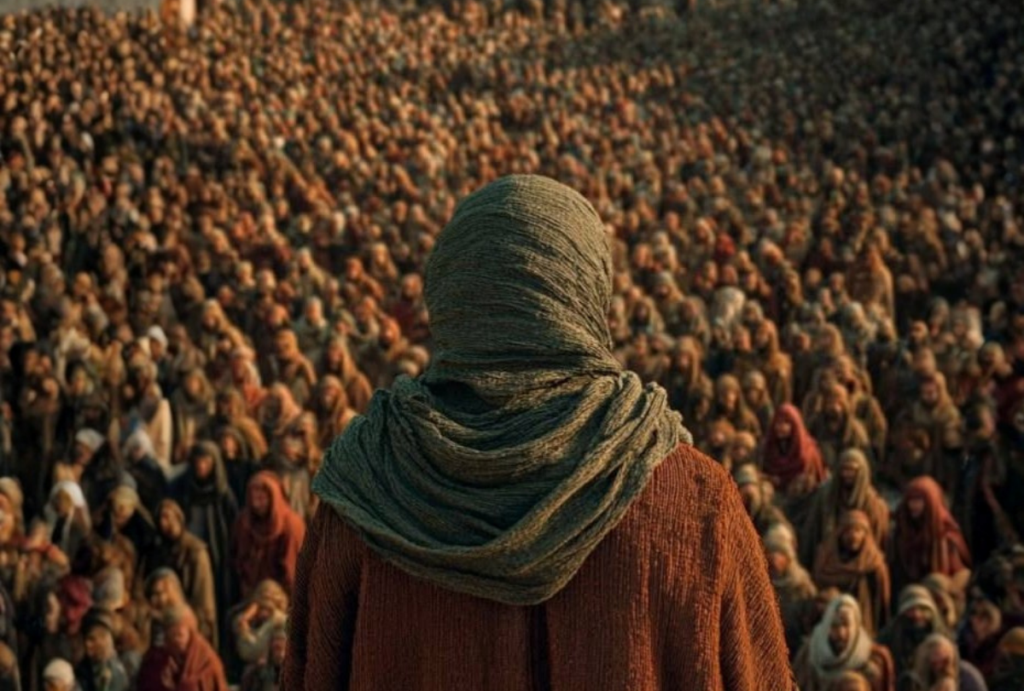
Shia reflections on resistance often begin with an ethical question rather than a political one: how should believers respond when injustice becomes normalised?
In this tradition, resistance is tied to conscience, responsibility, and steadfastness, while remaining bounded by moral limits.
The Quran offers a foundation for this ethic:
“O you who believe! If you help (the religion of) Allah (swt), He will surely help you and make your feet firm.”
Surah Muhammad, Ayah 7
Through the memory of Imam Hussain (as), Quranic principles of restraint, and hope in Imam Mahdi (ajtfs), resistance is often understood as a disciplined pursuit of justice shaped by both courage and wisdom.
Lesson one: Resistance as a moral duty
In Shia thought, resistance is often framed as fidelity to justice rather than reaction alone.
Opposing oppression begins with refusing to grant moral legitimacy to wrongdoing.
This can involve speaking truth, defending dignity, and refusing silent complicity when injustice harms individuals or the broader global community.
His legacy places conscience at the centre of ethical struggle.
This perspective also broadens resistance beyond moments of crisis.
It can be found in defending rights, preserving integrity, and choosing principle over convenience.
In that sense, resistance is not simply opposition, but a responsibility grounded in faith and justice.
Lesson two: Karbala and the ethics of sacrifice
The Battle of Karbala is often seen as the moral lens through which resistance is understood in Shia tradition.
Rather than a story of defeat, it is remembered as a stand that exposed tyranny and preserved truth.
Imam Hussain (as) is reported to have said:
“A man like me cannot give allegiance to him (i.e. Yazid).”
Lohoof
That declaration is often understood as more than a political refusal.
It reflects a conviction that truth cannot be compromised for survival or expediency.
Karbala also shapes how sacrifice is understood.
It is not suffering for its own sake, but witness rooted in principle.
This is why the event continues to inspire ethical reflection, showing that justice may demand steadfastness even when immediate victory is absent.
Lesson three: Resistance has limits – prudence and taqiyya
A defining feature of Shia resistance ethics is that struggle must remain morally bounded.
Resistance is not treated as unchecked confrontation, but as action measured against justice itself.
The Quran says:
“(O Muslims!) Fight in the way of Allah (swt) (against those polytheists of Mecca) who are presently engaged in fighting against you, and (be careful) not to exceed the limits (by killing the children, women and non-combatants). Verily Allah (swt) does not love those who exceed the limits.”
Surah Al-Baqarah, Ayah 190
This emphasis on limits is crucial.
Means matter as much as ends.
Shia teachings often include prudential reasoning, asking whether action protects life, prevents greater harm, and serves justice responsibly.
Within this framework, taqiyya may also be understood as wise protection under persecution.
Resistance, then, is not only courageous action.
It is disciplined action shaped by restraint.
Lesson four: Imam Mahdi (ajtfs) and resistance as hope
Shia thought also links resistance with hope through belief in Imam Mahdi (ajtfs).
Rather than treating awaiting the Imam as passive, many understand it as cultivating readiness for justice through ethical living in the present.
Prophet Muhammad is reported to have said:
“Awaiting the relief (i.e. Imam Mahdi) with patience is (a form of) worship.”
Bihar al-Anwar, v.52, p.145
This hadith suggests that patience itself can be active devotion.
Hope here does not weaken resistance. It sustains it.
The expectation of ultimate justice can deepen commitment to justice now, encouraging perseverance rather than despair.
In this sense, resistance is nourished not only by memory of oppression, but by confidence that truth and justice remain future realities worth preparing for.
Lesson five: Beyond revolt – multiple forms of resistance
Shia ethics often presents resistance as something woven into many forms of moral life.
It may appear in confronting oppression openly, but also in preserving truth through education, protecting communities, or refusing participation in injustice.
Resistance can be communal as much as personal.
It may involve social responsibility, moral leadership, or sustaining values under pressure.
These quieter forms are often overlooked, yet they may carry profound ethical weight.
This broader view avoids reducing resistance to revolt alone. It suggests resistance can also mean building justice, not only opposing injustice.
Seen this way, resistance becomes not merely reaction to tyranny, but a sustained practice of moral responsibility expressed through action, witness, and service.
Final reflections
The ethics of resistance in Shia tradition draw together justice, restraint, sacrifice, and hope into a coherent moral vision.
Through Karbala, Quranic guidance, and the expectation associated with Imam Mahdi (ajtfs), resistance is understood as principled commitment rather than impulsive rebellion.
Its deeper lesson is that opposing oppression is inseparable from how one opposes it.
Justice must be pursued through ethical means.
In that way, resistance becomes not only refusal in the face of tyranny, but also a continuous effort to uphold truth with courage and wisdom.
Frequently Asked Questions
In Shia tradition, resistance generally refers to ethical opposition to injustice guided by faith, justice, and moral responsibility. It can include public action, moral witness, and principled refusal.
The Battle of Karbala is often viewed as the clearest example of standing for truth against tyranny. It shapes how sacrifice, justice, and principled resistance are understood.
Yes. Shia teachings stress moral limits, proportionality, and protection of innocent life. Resistance is meant to remain disciplined and ethically guided.
Taqiyya may be understood as prudent protection in circumstances of persecution. It reflects the importance of wisdom and survival within ethical struggle.
Belief in Imam Mahdi (ajtfs) connects resistance with hope and moral preparation. It encourages perseverance in the pursuit of justice rather than passivity.
No. It may include intellectual effort, social responsibility, ethical refusal, and spiritual steadfastness alongside, or instead of, confrontation.
More from Blog

Bridging the Digital Divide Through Education
Explore how technology can make education more accessible and create equal learning opportunities for children. Support digital inclusion and help equip young…

The Future Starts with Education
Help vulnerable children access education, technology and skills for a brighter future. Support The Zahra Trust with a Back to School gift…
Rebuilding Futures Through Education: Restoring Hope, Dignity and Opportunity
When communities experience crisis, the effects can continue long after the immediate hardship has passed. Conflict, poverty, and displacement can interrupt a…