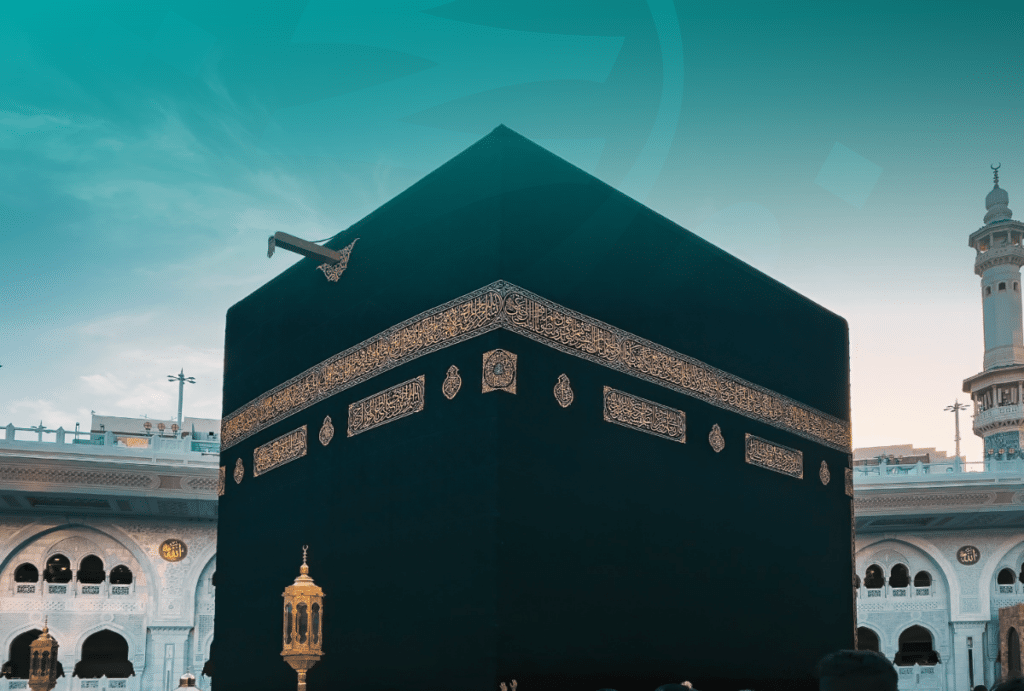
There is something quietly powerful about the first ten days of Dhul Hijjah. They don’t arrive with noise or fanfare. Yet within them lies a spiritual opportunity many of us underestimate.
Allah (swt) swears by these days in the Holy Qur’an:
“By the dawn, and by the ten nights…”
Surah Al-Fajr, Ayah 1-2
When Allah (swt) takes an oath, it signals significance. Many scholars explain that these “ten nights” refer to the first ten days of Dhul Hijjah – days elevated above others in reward and mercy.
For Muslims across Canada, these days are not only about personal worship. They are about sacrifice, service, and standing with our communities – values that reflect the heart of The Zahra Trust and the prophetic legacy we strive to uphold.
Why these days carry such meaning
Dhul Hijjah carries the story of Prophet Ibrahim (as), Sayyida Hajar (sa), and Prophet Ismail (as) – a story of trust in Allah (swt) when the path forward seemed unimaginable. It culminates in Eid al-Adha, the day of sacrifice.
But sacrifice in Islam is never only symbolic. It is not simply about the act of qurbani. It is about what we are willing to release for the sake of something greater.
Ghadeer reminds us that leadership in Islam is tied to justice, compassion, and responsibility.
Sacrifice and wilayah go together. To love the Ahlulbayt (as) is to live their values.
Turning worship into service
The message of Dhul Hijjah calls us not just to pray – but to act.
Fasting, du’a, and dhikr elevate the soul. But serving people brings barakah into society. Supporting food initiatives, funding education, empowering vulnerable families – this is what sacrifice looks like in our context.
These ten days are an invitation to transform worship into action.
When we give sincerely, we honour the sacrifice of Ibrahim (as). When we uplift the vulnerable, we embody the justice of Imam Ali (as).
A small window, a great reward
The Prophet (saww) taught that righteous deeds performed during these ten days are more beloved to Allah (swt) than at other times of the year.
Think about that.
A single act of sadaqah during Dhul Hijjah could carry more weight than we imagine. A kind word, a meal shared, a donation given with sincerity – these simple actions may tip the scales of our hereafter.
In a busy Canadian summer filled with travel and long daylight hours, it’s easy to overlook these sacred days. But they are a gift – a spiritual reset before the year continues.
A reflection for our community
As these blessed days unfold, ask yourself: What comfort can I sacrifice for the sake of Allah (swt)?
Even modest acts of generosity can ripple outward in powerful ways.
Let these days not pass quietly.
Let them soften our hearts, strengthen our faith, and deepen our commitment to serving others.
FAQs
They are sacred days mentioned in the Qur’an and connected to Prophet Ibrahim’s sacrifice and the event of Ghadeer, making them spiritually significant for Muslims.
Yes, especially on the 9th day (Day of Arafah), as it carries immense reward.
Eid al-Ghadeer falls in Dhul Hijjah and commemorates the appointment of Imam Ali (as) as successor to the Prophet (saww).
Yes. Good deeds, including charity, are described as especially beloved to Allah (swt) during this period.
By supporting vulnerable families, contributing to community initiatives, volunteering time, and giving generously with sincerity.
More from Blog
Bridging the Digital Divide Through Education
Explore how technology can make education more accessible and create equal learning opportunities for children. Support digital inclusion and help equip young…
The Future Starts with Education
Help vulnerable children access education, technology and skills for a brighter future. Support The Zahra Trust with a Back to School gift…
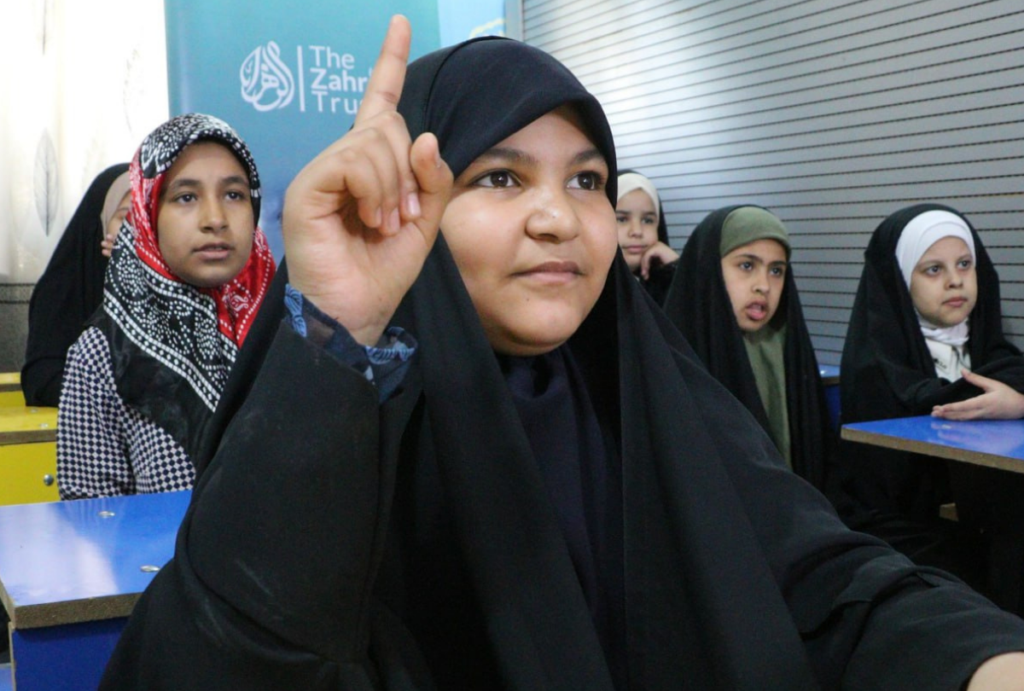
Rebuilding Futures Through Education: Restoring Hope, Dignity and Opportunity
When communities experience crisis, the effects can continue long after the immediate hardship has passed. Conflict, poverty, and displacement can interrupt a…