
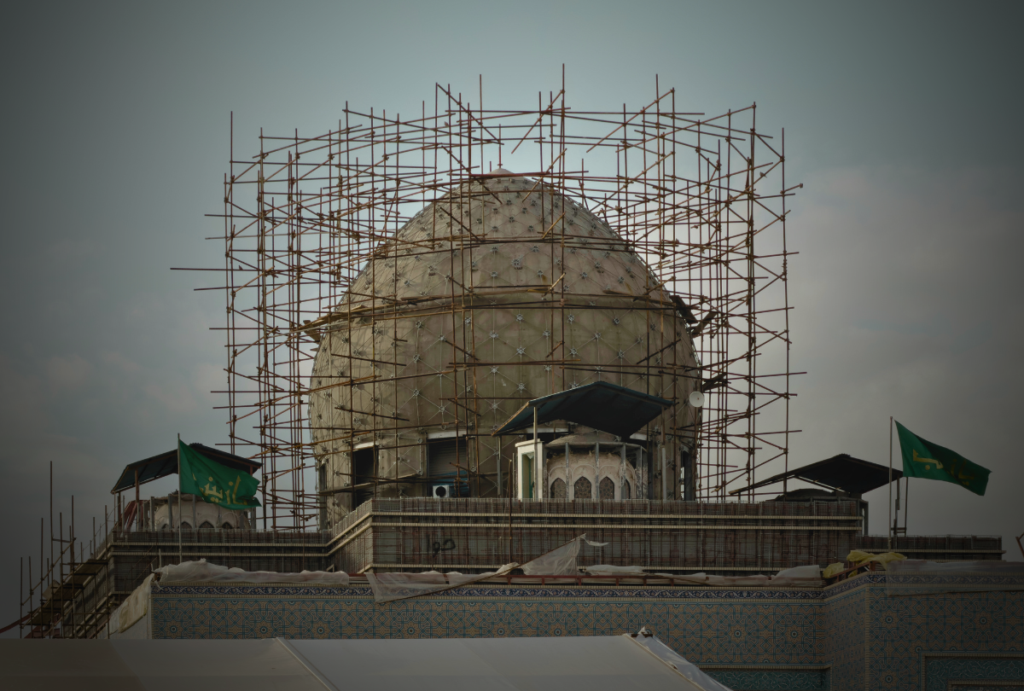
A mosque is not simply part of a neighbourhood landscape. It is often the emotional and spiritual centre of daily life. When it is damaged or no longer accessible, the effects are felt in ways that go far beyond physical absence.
Worship patterns shift, but so do relationships, routines, and shared meaning. A community that once gathered regularly in one space can begin to feel scattered.
The Quran reminds believers of the sacred nature of these spaces:
This verse reinforces that mosques are dedicated spaces of devotion and unity. From this understanding, rebuilding a mosque becomes an act of restoring spiritual grounding and collective identity, not just repairing a structure.
Beyond walls: The mosque as a living community hub
The absence of a mosque is often experienced gradually. At first, it may feel like a logistical disruption. Over time, it becomes a social and emotional gap.
People lose the familiarity of shared gathering points. Children lose structured learning environments. Elders lose daily connection with their community.
This quiet loss affects how people relate to one another. Conversations become less frequent. Support networks weaken. A sense of belonging can slowly erode without anyone noticing immediately.
Rebuilding therefore becomes about more than visibility. It is about restoring the invisible threads that hold community life together.
Rebuilding a mosque and the revival of community life
When rebuilding begins, something powerful happens within the community itsWhen rebuilding begins, it does not only signal construction activity. It signals the return of shared experience.
Communities often find themselves re-engaging in ways that go beyond the physical space. Conversations return. Planning resumes. People begin to reconnect around a shared purpose.
Sacred spaces naturally support this kind of reconnection because they function as centres of learning, support, and care.
The ripple effect of rebuilding a mosque can be seen through:
- Renewed interpersonal trust
- Revival of community-led learning
- Strengthening of support systems
- Re-emergence of shared routines
- Increased collective participation
These changes are not immediate, but they are deeply stabilising over time.
A teaching from Imam Ali (as): The value of visiting mosques
The spiritual and social importance of mosques is reflected in the teachings of Imam Ali (as):
Thawab al-Amal wa Iqbal al-Amal, v.1, ch.61, h.108
This narration presents the mosque as a space of ongoing transformation. It is not passive. It actively shapes character, learning, and moral awareness.
When a mosque is restored, these pathways reopen. People regain access to spaces that encourage reflection, growth, and connection to guidance. In this way, rebuilding a mosque restores opportunities for both personal and communal development.
Restoring identity and emotional continuity
For many communities, a mosque carries memory. It is where generations have prayed, learned, and gathered. It becomes a marker of identity over time.
When it is lost or damaged, that continuity is disrupted. People may feel disconnected from their own history, even if temporarily.
Rebuilding helps restore that continuity. It allows communities to reconnect with who they have been, while also reshaping what they are becoming.
This is especially meaningful in contexts of displacement or recovery, where rebuilding sacred spaces becomes part of emotional and cultural healing.
Loyalty through the example of the Ahlulbayt (as)
The Ahlulbayt (as) emphasized the importance of maintaining spaces that nurture worship, learning, and community connection. These spaces are not only physical sites but living environments of guidance and remembrance.
From this perspective, rebuilding a mosque reflects a deeper responsibility: preserving continuity in faith practice and strengthening the structures that support communal wellbeing.
It is an act that sustains both spiritual life and social cohesion across generations.
The ripple effect on society
Community programs resume. Informal support networks strengthen. Even nearby areas often experience renewed stability as a result.
This broader ripple effect shows how one mosque can influence not just its immediate community, but the wider social environment around it.
Restoring more than walls: A final reflection
Rebuilding a mosque is not only about physical restoration. It is about restoring meaning, belonging, and shared life. It is about giving communities back a place where faith and connection can grow again.
A mosque is more than a place of prayer. It is where communities gather, children learn, and support begins. When sacred spaces are rebuilt, communities regain more than structure. They regain continuity, dignity, and collective strength.
Help rebuild sacred spaces that restore communities. Restore more than walls. Restore the spiritual heart of a community and rebuild spaces where faith and unity continue to grow for generations to come.
Frequently asked questions
What does rebuilding a mosque mean for a community?
It means restoring a central space of worship, learning, and connection. It helps rebuild social bonds and strengthens community identity.
Why are mosques so important in Islam?
Mosques are places of worship and guidance where individuals gather for prayer, learning, and support, making them essential to spiritual and social life.
How does rebuilding a mosque affect local communities?
It revives social activity, encourages unity, supports education, and helps restore emotional and cultural continuity.
What is the spiritual significance of rebuilding a mosque?
It reflects respect for sacred space and supports the return of worship, reflection, and moral development within the community.
Can rebuilding a mosque help after conflict or disaster?
Yes, it often plays a key role in emotional recovery and social rebuilding, helping communities regain stability and hope.
How do mosques support everyday community life?
They provide spaces for learning, charity, gatherings, counselling, and collective worship, making them vital community centres.
More from Blog
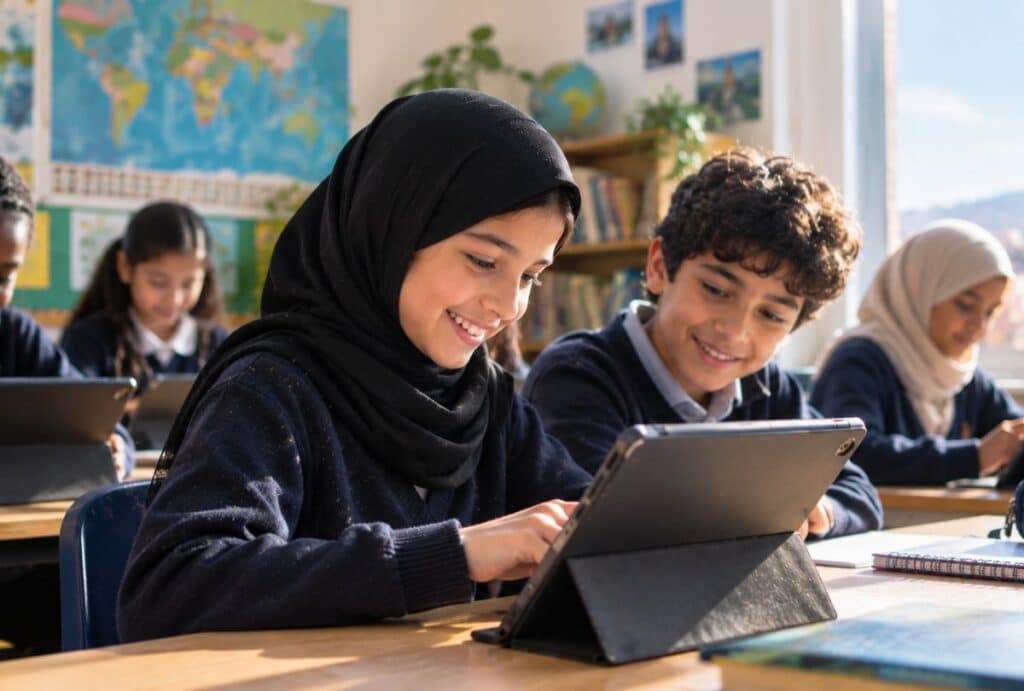
Bridging the Digital Divide Through Education
Explore how technology can make education more accessible and create equal learning opportunities for children. Support digital inclusion and help equip young…
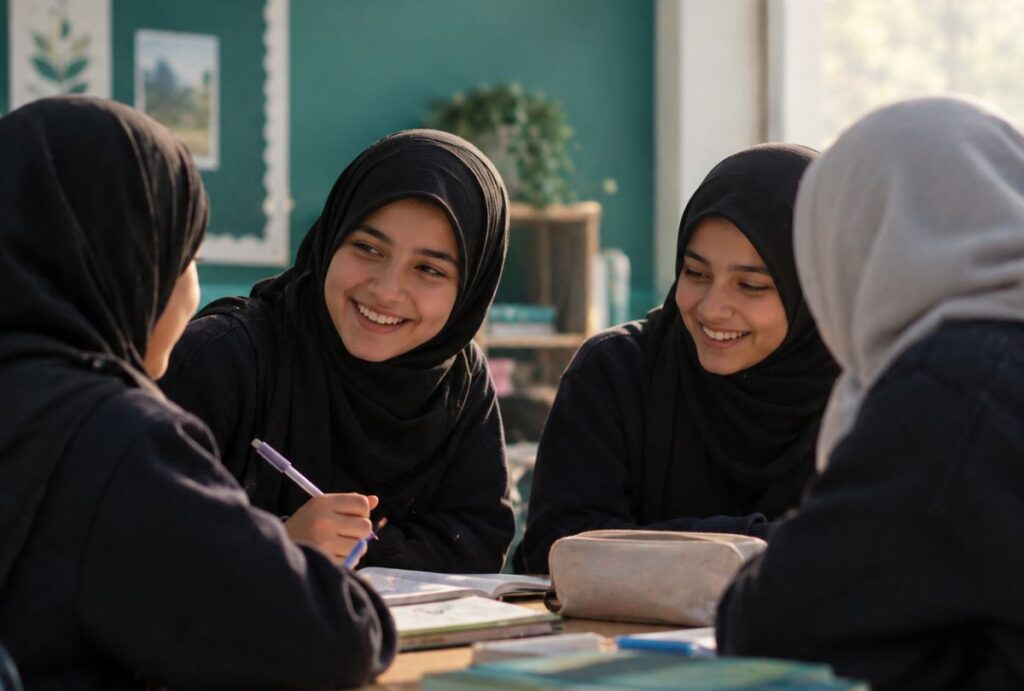
The Future Starts with Education
Help vulnerable children access education, technology and skills for a brighter future. Support The Zahra Trust with a Back to School gift…
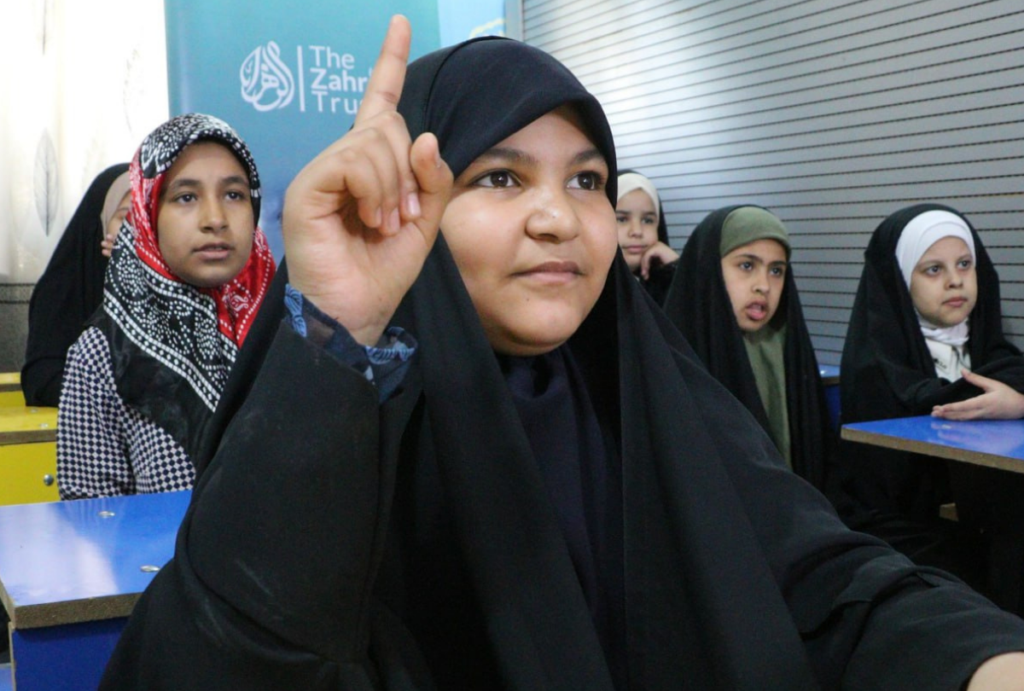
Rebuilding Futures Through Education: Restoring Hope, Dignity and Opportunity
When communities experience crisis, the effects can continue long after the immediate hardship has passed. Conflict, poverty, and displacement can interrupt a…