
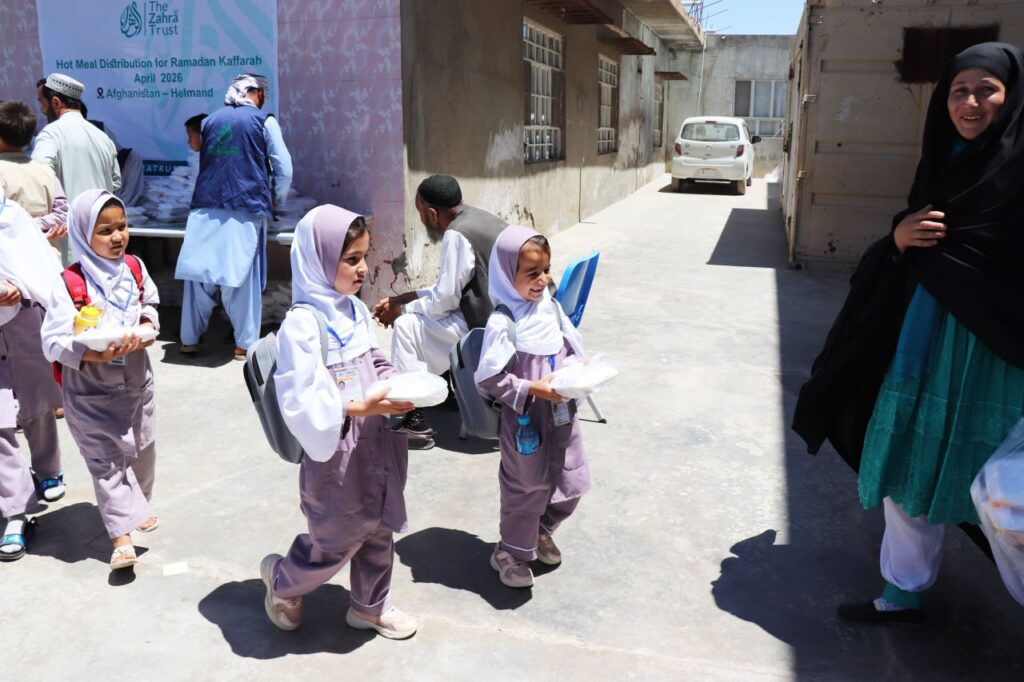
Children are among the most vulnerable members of any community. They depend on adults not only for food, shelter and safety, but also for affection, encouragement, education and the opportunity to grow with confidence.
In Islam, caring for children is more than a family responsibility. It is an important trust. The Qur’an and the teachings of Prophet Muhammad (saww) place great emphasis on compassion, protection, fairness and the responsibility to nurture the next generation.
These teachings invite us to look beyond a child’s immediate needs and consider their dignity, emotional well-being, development and place in society.
Children Have Dignity and Worth
The Qur’an establishes the dignity of every human being. In Surah al-Isra, Allah (swt) says:
“We have indeed honoured the children of Adam, carried them in the land and the sea, provided them with good things and preferred them in esteem over many of whom We have created (like the animals and the jinn. And that is why humans have been blessed with Divine guidance. So beware of whom you follow: the Divine guides or Satan and his forces).” (Qur’an 17:70)
This verse speaks about the honour given to humanity. Children are included in this dignity from the very beginning of their lives. Their worth does not depend on their age, abilities, achievements, family circumstances or what they may one day contribute to society.
Recognizing a child’s dignity means treating them as a person whose feelings, needs and experiences matter. It means listening when they speak, taking their concerns seriously and avoiding words or actions that humiliate or diminish them.
Children are still learning and developing, but that does not make their thoughts or emotions unimportant. Respect is part of how we help them grow.
Care Begins with Mercy and Affection
Islamic teachings place great importance on showing mercy to children. Affection is not simply an extra expression of love; it is part of how children experience safety, belonging and care.
In everyday life, mercy can be expressed through a comforting conversation, patience when a child makes a mistake, encouragement when they struggle and time spent listening to them.
It also means recognizing that children do not always have the words to explain what they are feeling. Their behaviour may sometimes be an expression of worry, frustration or a need for reassurance.
Protecting Children Is a Serious Responsibility
Children need adults to protect them from harm and provide an environment in which they can develop safely.
The Qur’an strongly rejects the taking of children’s lives out of fear of poverty. In Surah al-An’am, verse 151, the command not to kill children is followed by a reminder that provision comes from Allah (swt). This establishes the seriousness with which children’s lives must be valued and protected.
The Qur’an also reminds people entrusted with the affairs of orphans to consider their vulnerability and act with care and justice (Surah an-Nisa, verse 9).
These teachings have wider relevance to how communities approach children’s welfare. Protection is not only about responding when harm occurs. It also involves creating safe homes, schools and communities, ensuring children have access to essential care and taking their concerns seriously.
A child’s safety should never be treated as secondary to convenience, reputation or financial interests.
Every Child Deserves Care, Fairness and Opportunity
Children do not all grow up with the same circumstances. Some have stable homes and access to education, healthcare and other essentials. Others face displacement, poverty, family loss or barriers that make everyday life much more difficult.
Islamic teachings encourage us to consider the needs of children who are especially vulnerable, including orphans and those without adequate support.
Practical care means helping them access the resources and opportunities they need to develop, learn and participate in their communities.
Education and Good Upbringing Matter
A child’s well-being is about more than meeting immediate physical needs. Education, guidance and opportunities to learn help children develop their abilities and understand the world around them.
Islam places importance on seeking knowledge and raising children with good character. Parents and caregivers have a responsibility to guide children, but this should be done with patience, understanding and encouragement.
A good upbringing is not simply about expecting children to follow instructions. It involves helping them understand right and wrong, develop compassion, ask questions and build confidence in their ability to make thoughtful choices.
Children also learn from what adults do. The way we speak to others, respond to difficulties, treat people fairly and fulfil our responsibilities can all become lessons for the next generation.
What Can We Learn from These Teachings Today?
The Qur’an and the example of the Prophet (saww) encourage us to see children’s care as a shared responsibility.
For parents and caregivers, this means making time for affection, listening and guidance. For teachers and other adults, it means treating children with patience and respect, recognizing their individual needs and creating environments where they feel safe to learn.
The Prophet (saww) is reported to have said:
“Honour your children and refine their manners, and your sins will be forgiven.” (Bihar al-Anwar, v.104, p.95, n.44)
For communities, it means considering whether every child has access to essentials such as nutritious food, clean water, healthcare, education and safe shelter.
We can put these teachings into practice by asking ourselves simple questions:
- Do the children in our care feel listened to and respected?
- Are we patient when they make mistakes or need extra support?
- Are we helping them feel safe, valued and included?
- Are we mindful of children whose circumstances make them especially vulnerable?
Caring for children is not only about preparing them for adulthood. It is about recognizing their needs and dignity at every stage of childhood.
Supporting Children’s Wellbeing Through Our Communities
The responsibility to care for children extends beyond individual households. Communities also have a role in helping children access the essentials and opportunities they need to grow.
When we consider the Islamic responsibility to protect and nurture children, we are reminded that practical support can be an important expression of compassion.
Frequently Asked Questions
What does Islam teach about caring for children?
Islam teaches that children should be treated with mercy, dignity and fairness. Their physical safety, emotional well-being, education and development are all important responsibilities for parents, caregivers and the wider community.
What does the Qur’an say about the dignity of children?
Verse 70 of Surah al-Isra explains that Allah (swt) has honoured the children of Adam. This establishes the dignity of every human being, including children, regardless of their circumstances or abilities.
Why is showing affection to children important in Islam?
The Prophet (saww) demonstrated affection towards children, including kissing his grandsons Imam Hassan (as) and Imam Hussain (as). He teaches that mercy is essential. This highlights the importance of tenderness and compassion in caring for children.
What are the responsibilities of parents towards their children in Islam?
Parents and caregivers are responsible for providing care, protection, guidance and opportunities for learning. They should also nurture children’s emotional well-being, treat them fairly and help them develop good character.
How does Islam teach us to care for orphans?
The Qur’an repeatedly emphasizes the importance of protecting orphans and treating them justly. It instructs people to safeguard their interests and not exploit their vulnerability or property.
Is caring for children a responsibility of the wider community?
Yes. While parents and caregivers have important responsibilities, communities also play a role in protecting children and helping them access food, healthcare, education, clean water and safe shelter.
More from Blog
What Is Giving Tuesday and Why Do Millions Take Part?
Find out what Giving Tuesday is, how it began, why millions take part, and how collective generosity can help people in need.
What Happens to Your Body When You Get Too Cold?
Discover how your body responds to cold, the warning signs of hypothermia and frostbite, and why warmth and shelter matter during winter.
What Does Every Child Need to Thrive?
Discover what children need to thrive, from safety and education to healthy living conditions and opportunities to grow. Learn how humanitarian support…