

Islam teaches that justice must be upheld at all times—even when it is difficult.
During Ramadan, this message resonates deeply, encouraging believers to reflect on both personal conduct and social responsibility.
Justice as a Spiritual Principle
Justice in Islam goes beyond law—it is moral, spiritual, and social.
Ramadan strengthens this understanding by nurturing patience, humility, and empathy.
Community, Compassion, and Care
In Canada’s diverse communities, Ramadan highlights the importance of inclusion and care for those facing hardship, whether locally or globally.
From Awareness to Action
Islam calls believers to translate values into action. Supporting vulnerable families, orphans, and refugees reflects the true spirit of Ramadan.
At The Zahra Trust, social justice means delivering aid that restores dignity and hope.
FAQ
What role does justice play in Islam?
It is central to faith and moral responsibility.
How does Ramadan encourage social justice?
By building empathy and prompting generosity.
Are charity and justice the same?
Charity supports justice, but justice also addresses fairness and rights.
How can communities promote Islamic justice?
Through compassion, service, and ethical leadership.
Why focus on the vulnerable during Ramadan?
Islam prioritizes those most in need.
How does The Zahra Trust practice social justice?
By providing ethical, transparent, and compassionate humanitarian aid.
More from Blog
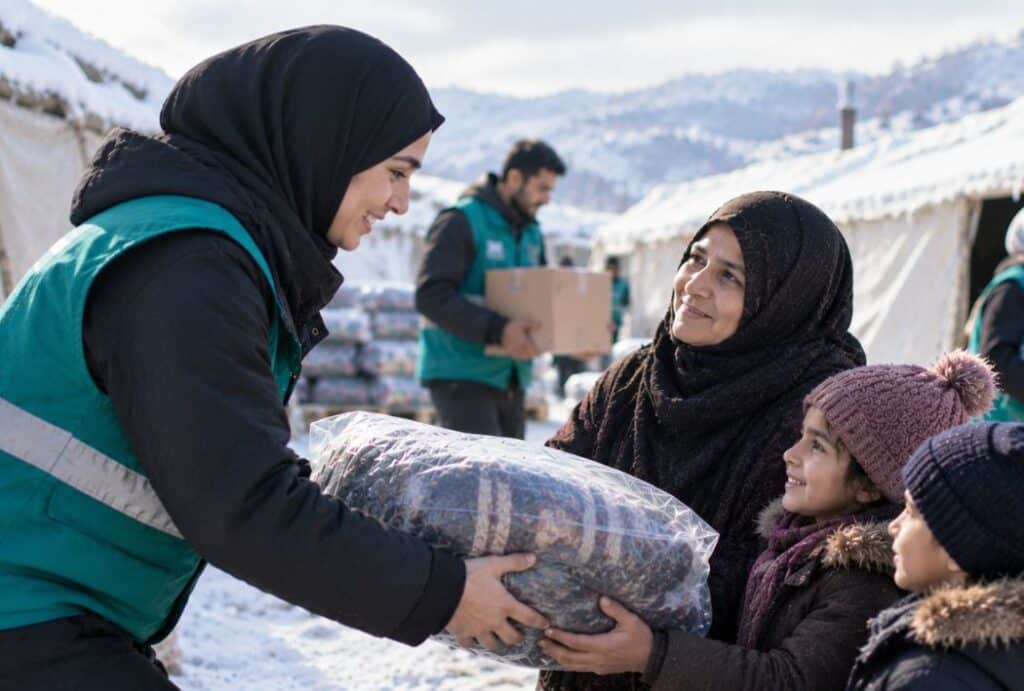
How Does Winter Aid Reach a Family?
Ever wondered how winter aid reaches families in need? Follow the journey from identifying need and preparing supplies to distribution with The…
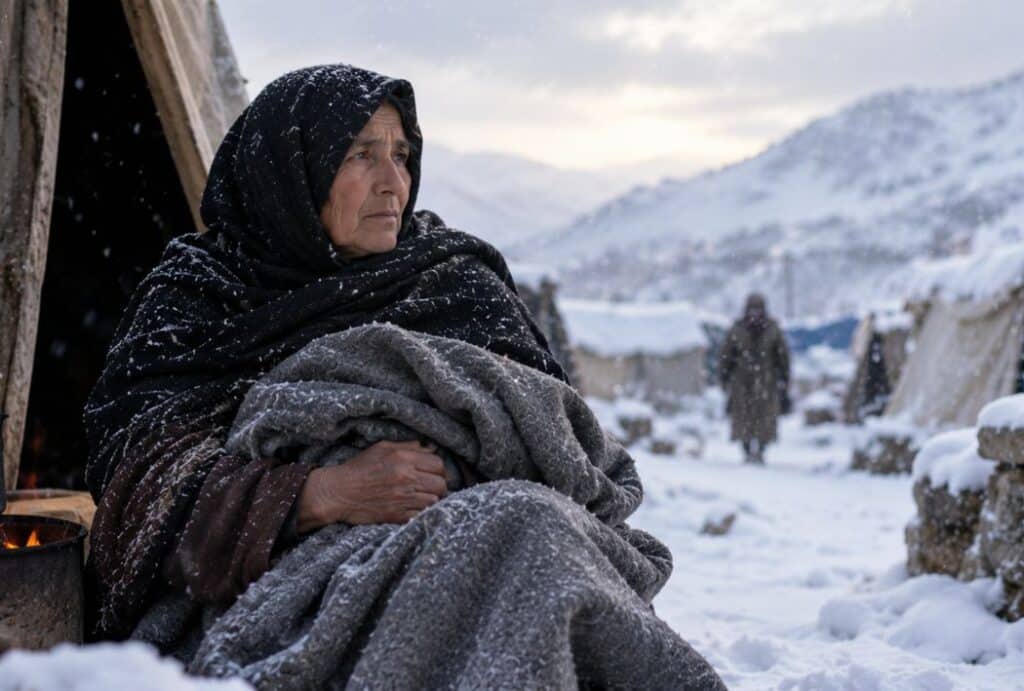
When Does Winter Become a Humanitarian Issue?
When does winter become a humanitarian issue? Learn how freezing temperatures can put vulnerable families at risk, and how winter aid can…
Why Did the Prophet (saww) Call Fatima (sa) “A Part of Me”?
Discover why Prophet Muhammad (saww) called Sayyida Fatima (sa) “a part of me” and what his words teach us about love, faith…