
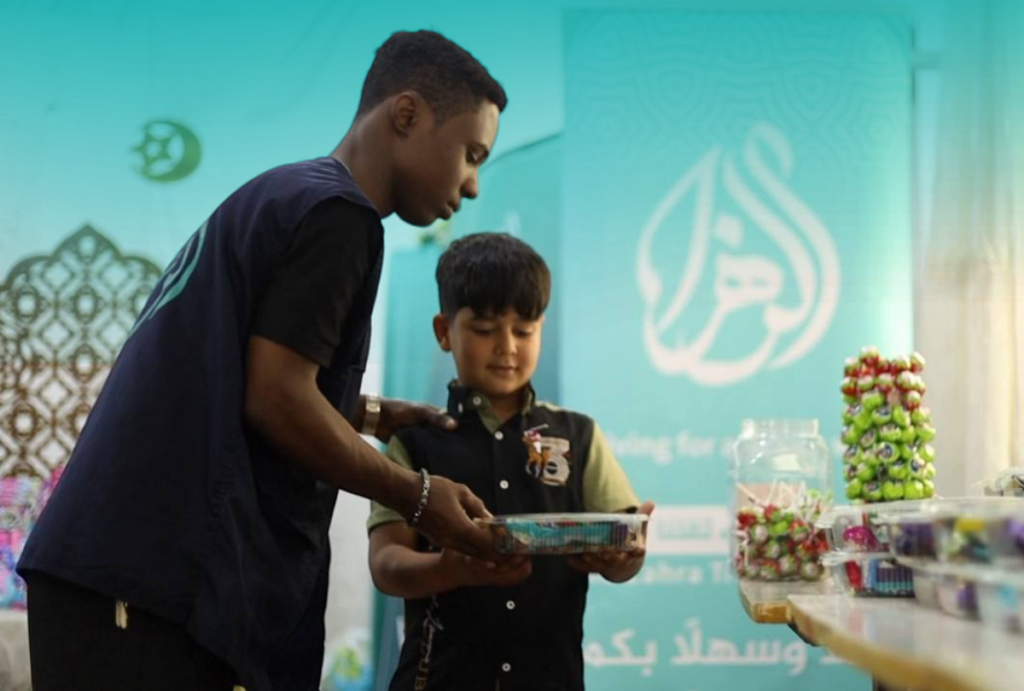
It is easy to believe that changing the world requires extraordinary wealth, large institutions, or dramatic acts of sacrifice.
Yet meaningful transformation often begins in much quieter ways.
A small act of kindness. A thoughtful donation. A helping hand. A moment of patience when it is needed most.
Islam teaches that no sincere act of generosity is ever insignificant.
What may appear modest in this world can carry immense weight with Allah (swt).
Modern research echoes this same truth, showing that even small acts of giving can improve wellbeing, strengthen social bonds, and create lasting positive change.
The Quran reminds us that generosity is never wasted.
If each of us gave just a little more of what we have, whether through wealth, time, compassion, or service, the effect across our global community could be remarkable.
So what would happen if everyone gave a little?
A world changed by small acts
The Quran offers a powerful image of what generosity can produce:
“The parable of those who spend their wealth in the way of Allah (swt) is as the parable of a grain growing seven ears, in every ear, there are a hundred grains; and Allah (swt) multiplies for whom He pleases; Allah (swt) is Ample-giving, All-knowing.”
Surah Baqarah, Verse 261
This verse illustrates how one sincere act can create impact far beyond what we can see.
A single contribution can relieve hardship.
One compassionate action can restore dignity. One act of kindness can inspire many more.
Change often begins with what seems small.
It begins with someone choosing to give.
Giving means more than wealth
When people think of charity, financial giving is often the first thing that comes to mind.
Islam presents a broader understanding.
Generosity includes supporting others, offering encouragement, showing compassion, and helping ease difficulty.
Imam Musa al-Kadhim (as) is reported to have said:
“Your assistance of the weak is one of the best forms of charity.”
Tuhaf al-Uqul, p.414
This reminds us that giving is not restricted to material resources.
Everyone has the ability to contribute in some way.
Sometimes the most valuable gift is simply being present for someone in need.
Why small contributions matter
Many people hesitate to give because they believe their contribution is too limited to matter.
Islam challenges this assumption.
Imam Ali (as) is reported to have said:
“Do not feel ashamed for giving little because refusal is smaller than that.”
Nahjul Balagha, h.67
This teaching reminds us that sincerity matters more than size.
The Quran reinforces this:
“You shall never attain (the perfect standard of) righteousness until you spend (in charity) from (the wealth) that you love; and whatever you spend, Allah (swt) surely knows it.”
Surah Ale Imran, Verse 92
The significance of giving lies in what it represents.
Small actions matter because they carry intention.
Giving changes the giver
Generosity does not only uplift others.
It also transforms the person who gives.
Prophet Muhammad (saww) is reported to have said:
“Allah (swt) has made generosity the greatest moral virtue.”
Kanz al-Ummal, n.15926
This reflects the role giving plays in developing character.
Generosity nurtures empathy, strengthens gratitude, and refines the heart.
When we give sincerely, we are also growing inwardly.
A more compassionate society
A society built on generosity becomes stronger and more connected.
Neighbours support one another.
Families grow closer.
Communities become places of trust and belonging.
The Quran says:
“Those who spend their wealth by night and by day, secretly and openly, for them is their reward with their Lord, and they shall have no fear, nor shall they grieve.”
Surah Baqarah, Verse 274
This verse highlights consistency.
Giving has the greatest impact when it becomes part of everyday life.
Imagine the difference this could make if practised widely.
The blessing hidden within
Islam teaches that generosity brings blessings that are not always immediately visible.
Imam Ali (as) is reported to have said:
“Attract sustenance by giving charity.”
Bihar al-Anwar, v.78, p.68, n.13
This points to a broader understanding of provision.
Sometimes what we give returns through peace of mind, opportunities, ease, or support at the right moment.
The blessings of generosity often appear in unexpected ways.
What if everyone gave a little?
The world would not become perfect overnight.
But it would become more caring.
There would be less loneliness.
Greater trust.
Stronger human connection.
More dignity for those facing hardship.
Many challenges continue because people underestimate the value of small action.
Yet real change often begins when ordinary people act with sincerity.
A little, given consistently, can create effects far greater than we imagine.
Final reflections
The world does not always need larger answers.
Sometimes it needs more people willing to give whatever they can.
Every sincere act of generosity has the power to create change.
Give today through charity, kindness, or service, and help build a more compassionate future for all.
FAQ
Islam views giving as both spiritual purification and a practical means of supporting society and strengthening human connection.
No. Giving also includes time, compassion, service, encouragement, and practical support.
Small acts matter because sincerity gives them value, and their impact often extends further than we initially see.
Studies show that kindness improves emotional wellbeing, reduces loneliness, and strengthens social relationships.
Offering support, helping others, listening, and easing hardship are all valuable forms of charity.
Yes. When practised consistently, small acts of generosity build trust, compassion, and stronger communities.
More from Blog
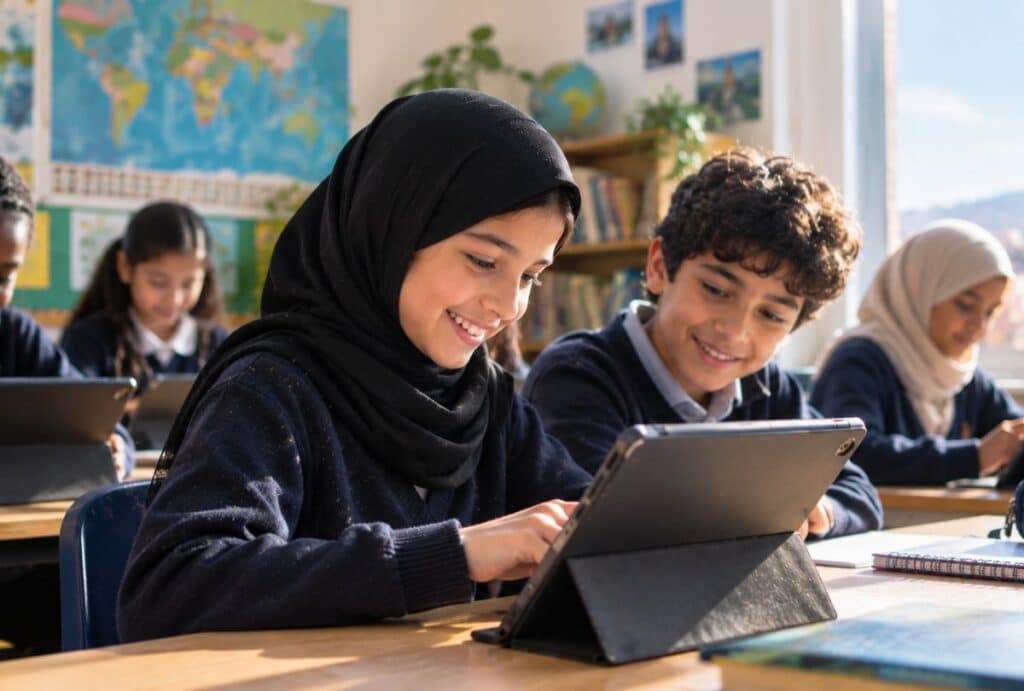
Bridging the Digital Divide Through Education
Explore how technology can make education more accessible and create equal learning opportunities for children. Support digital inclusion and help equip young…
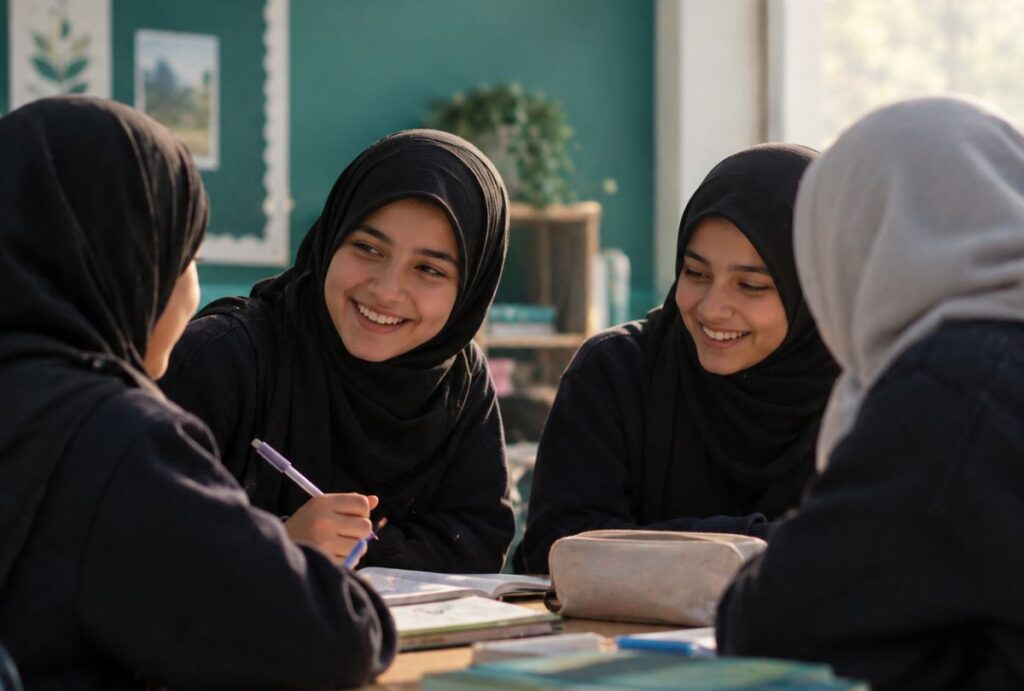
The Future Starts with Education
Help vulnerable children access education, technology and skills for a brighter future. Support The Zahra Trust with a Back to School gift…
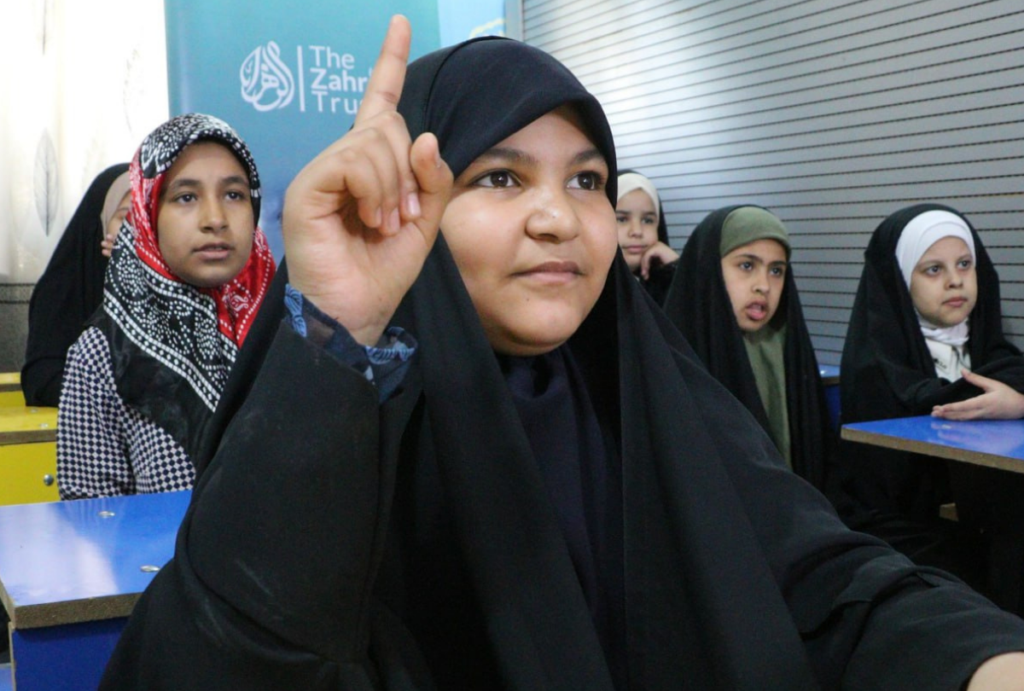
Rebuilding Futures Through Education: Restoring Hope, Dignity and Opportunity
When communities experience crisis, the effects can continue long after the immediate hardship has passed. Conflict, poverty, and displacement can interrupt a…