

Giving is deeply rooted in Islam. We are encouraged to care for those who are struggling, share what we have and remember that our wealth is ultimately a trust from Allah (swt).
But Islamic generosity is not only about giving what we have in abundance. The life of Sayyida Fatima al-Zahra (sa) shows us that giving can also involve sacrifice, selflessness and putting the needs of others before our own.
As the daughter of the Holy Prophet Muhammad (saww), the wife of Imam Ali (as) and the mother of Imam Hassan (as) and Imam Hussain (as), Sayyida Fatima (sa) holds a unique place in the hearts of Muslims. Her life also offers a powerful example of how faith can be reflected through everyday actions.
Her generosity was not something separate from her worship. It was part of the way she lived.
Giving From What We Love
One of the clearest lessons from the life of Sayyida Fatima (sa) is that meaningful giving can require sacrifice.
“You shall never attain (the perfect standard of) righteousness until you spend (in charity) from (the wealth) that you love…” (Qur’an 3:92)
This verse provides an important foundation for understanding generosity in Islam. Giving is not only about handing over something we no longer need. Sometimes, the most meaningful act of charity is giving something that is valuable to us.
A well-known account from the life of Sayyida Fatima (sa) describes her giving away her wedding garment to someone in need. The report is connected with the wider Qur’anic teaching that righteousness is reached through spending from what we love.
The lesson is simple but powerful. Generosity asks us to look beyond what is easiest to give and consider what could genuinely benefit someone else.
Generosity Even in Times of Hardship
Perhaps one of the most well-known examples of Sayyida Fatima’s (sa) generosity is connected to the verses of Surah al-Insan.
“We feed you only for Allah’s (swt) sake; we expect neither reward nor thanks from you.” (Qur’an 76:8-9)
Sources connect these verses with a well-known account involving Sayyida Fatima (sa), Imam Ali (as), Imam Hassan (as) and Imam Hussain (as).
According to the account, the household fasted for several days, and each evening, when they had prepared food to break their fast, someone in need came asking for food. The family gave their food away and continued their fast.
The significance of this account is not simply that food was given away. It is that it was given when the family themselves had very little.
This reflects a deeper understanding of charity. Generosity is not only about giving from excess. It can mean recognising the needs of another person even when we ourselves are experiencing difficulty.
Caring for People Beyond Money
The example of Sayyida Fatima (sa) also reminds us that giving is broader than financial charity.
Accounts of her life describe her helping people around her, including carrying water and supporting those who were struggling. Her generosity was practical. It responded to the needs that were directly in front of her.
This is important because charity is not always about writing a cheque or making a donation. Sometimes it means giving food, offering our time, sharing knowledge, helping someone with a task or making life a little easier for another person.
The principle is the same: recognising a need and responding to it.
A Life of Simplicity and Generosity
The generosity of Sayyida Fatima (sa) cannot be separated from the simplicity of her life.
Sources describe her as someone who lived with contentment and was willing to give despite having limited possessions. Her charity was not dependent on having a life of material abundance.
This makes her example especially meaningful today.
We can sometimes convince ourselves that we will give more when we have more. But Sayyida Fatima (sa) shows us that generosity is a quality of the heart. It can be practised with whatever Allah (swt) has given us.
Sometimes that may be money. Sometimes it may be food, clothing, time, knowledge or simply the willingness to notice someone else’s difficulty.
What Can We Learn From Sayyida Fatima (sa) Today?
The life of Sayyida Fatima (sa) gives us a different way of thinking about charity.
Giving is not only about the amount we donate. It is about the intention behind it, the sacrifice involved and the care we have for the person receiving it.
Her example encourages us to give sincerely, to share what is valuable to us and to remember people who may be experiencing hardship even when we are dealing with our own challenges.
It also reminds us that generosity can become part of our everyday lives. We do not have to wait for a special occasion to care for someone else.
Giving in the Footsteps of Sayyida Fatima (sa)
For The Zahra Trust, giving is about helping people facing poverty, displacement and crisis access the essentials they need with dignity.
The example of Sayyida Fatima (sa) reminds us that what we give matters, but so does how and why we give it.
When we give sincerely for the sake of Allah (swt), even a simple act can carry great meaning.
Frequently Asked Questions
What does Sayyida Fatima (sa) teach us about giving?
Sayyida Fatima (sa) teaches us that generosity involves sincerity, sacrifice and genuine care for others. Her life demonstrates the importance of giving even when we have limited resources.
Did Sayyida Fatima (sa) give to people in need?
Yes. Sources contain a number of reports describing her generosity towards people experiencing hardship, including accounts of giving food, clothing and other possessions.
What does verse 92 of Surah Aal-Imran teach us about charity?
The verse teaches that righteousness is connected to spending from what we love. It encourages believers to give generously rather than only giving what they no longer value.
What do verses 8 and 9 of Surah al-Insan teach about giving?
The verses describe the righteous giving food to the needy, the orphan and the captive without seeking reward or thanks from people.
How can I follow Sayyida Fatima’s (sa) example today?
You can follow her example by giving sincerely, helping people in need, sharing your time and resources, and looking for practical ways to make life easier for others.
More from Blog
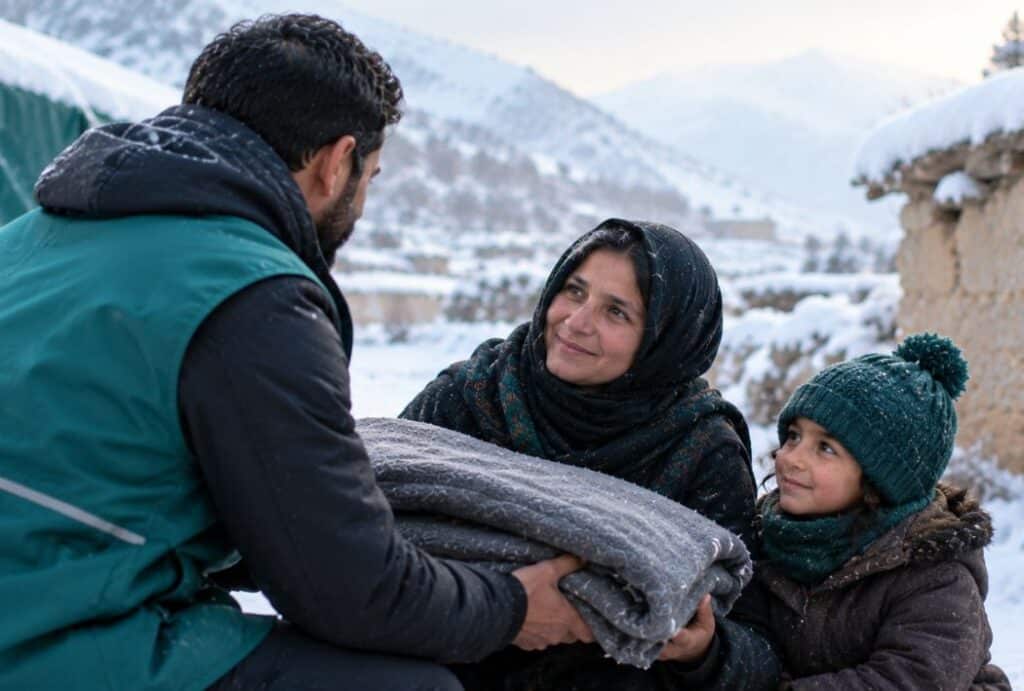
The Everyday Things We Take for Granted in the Winter
From a warm home to dry clothes and a hot meal, discover the everyday winter comforts we often take for granted and…
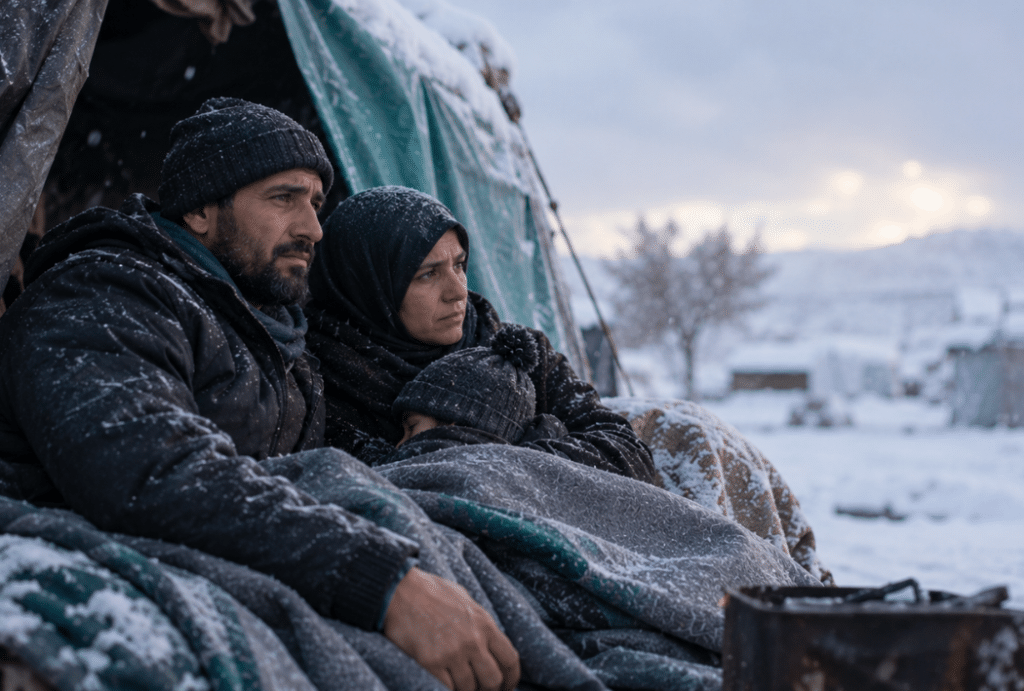
7 Everyday Things That Become Harder When Winter Arrives
Discover how winter can make everyday life harder for families already facing hardship, from staying warm and accessing food to travelling, learning…
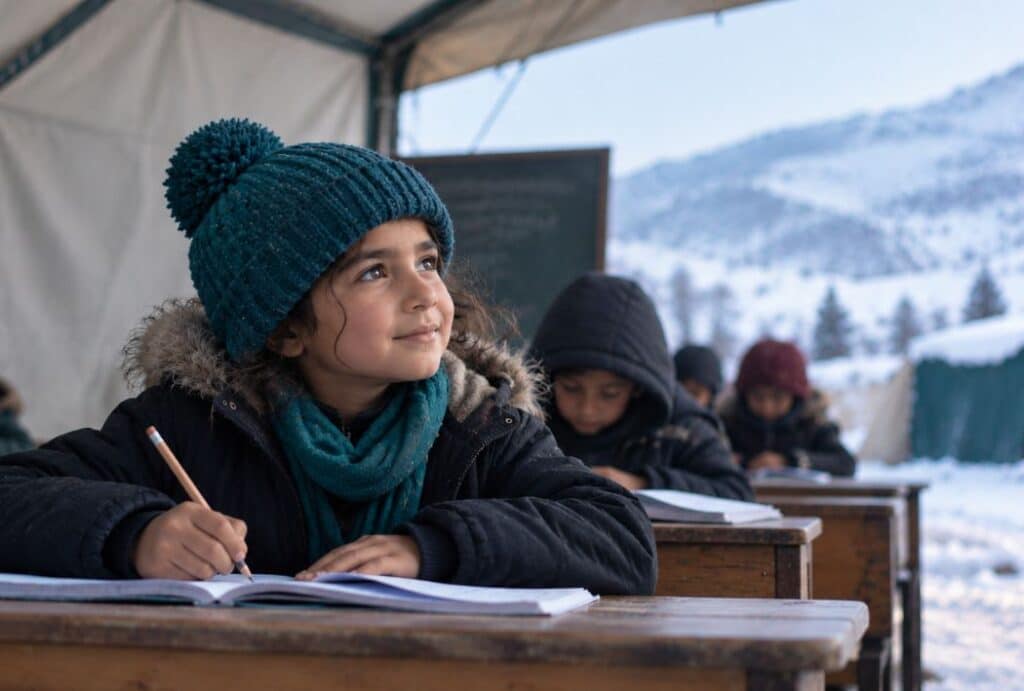
What Prolonged Hardship Can Take Away From a Child
Discover how prolonged hardship can affect a child's routine, education, safety and sense of stability, and why protecting childhood matters in humanitarian…