
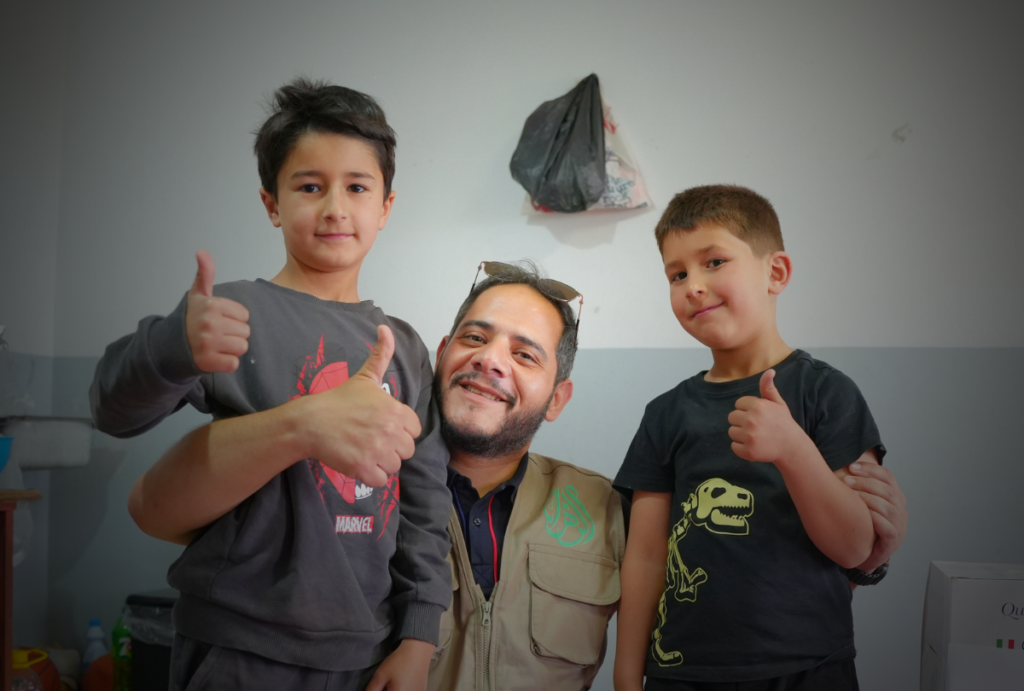
Standing for those suffering matters because silence in the face of injustice is never neutral. Within the teachings inspired by Karbala, believers are reminded that faith goes beyond personal devotion and carries a sense of collective responsibility. The story of Imam Hussain (as) is remembered not only for its sacrifice, but for its enduring stand for dignity, truth, and opposition to oppression.
The message is straightforward. When people are experiencing hardship, faith calls for a response grounded in compassion, action, and justice. Globally, communities facing poverty, displacement, and social challenges require more than sympathy. They require sustained support rooted in mercy and care.
Karbala: A lesson in dignity and moral courage
Karbala stands as one of the strongest examples of moral courage in Islamic history. Imam Hussain (as) chose to stand against injustice even while outnumbered and enduring great hardship. His stand was not driven by power, status, or recognition, but by a commitment to human dignity and truth.
This is why Karbala continues to resonate so strongly today. It reminds believers that standing for those who suffer is not optional, but a moral responsibility rooted in faith, courage, and care for humanity.
The message is enduring and clear. Do not ignore suffering. Do not remain silent when injustice is present. Instead, respond with action, even when it requires sacrifice.
Quranic foundation: Giving with sincerity and dignity
The Quran highlights the importance of giving and supporting others in a way that preserves dignity and avoids causing harm.
This verse outlines an important principle. True charity is not only about giving, but also about how it is given. It must be rooted in respect, sincerity, and a deep concern for the dignity of those receiving support.
In the context of standing for those suffering, this verse reminds believers that supporting vulnerable communities must uplift rather than shame, and strengthen rather than diminish.
Why standing for those suffering matters today
Suffering exists in many forms across the modern world. People face war, displacement, poverty, food insecurity, and social isolation. In Canada, many families also struggle with rising living costs, housing pressures, and challenges in accessing essential needs and emotional support.
Standing for those suffering matters because ignoring pain allows it to grow. Silence can make hardship feel unseen. Action, even in small ways, helps restore dignity and renew hope.
Islamic teaching places great emphasis on community responsibility. It encourages believers to recognize hardship and respond with compassion. This is not limited to financial charity. It also includes emotional support, advocacy, volunteering, and choosing to stand beside those who are struggling.
Mercy as a shared responsibility: A Prophetic teaching
Prophet Muhammad (saww) beautifully described the cycle of mercy in human relationships.
This hadith shows that mercy is not passive. It is something that must be lived and practiced in everyday life. When mercy is shown to those who are suffering, it invites divine mercy into one’s own life.
This directly connects to the principle that standing for those suffering matters, where compassion becomes action and mercy becomes service.
Loyalty through the example of the Ahlulbayt (as)
The Ahlulbayt (as) consistently demonstrated what it means to care for those who are vulnerable. Imam Ali (as), for example, was known for privately providing food and support to those in need at night, ensuring their dignity remained protected. Imam Sajjad (as) continued this legacy through quiet and consistent care for those experiencing poverty in his community.
These examples show that standing with those who suffer is not only a response to crisis, but a lifelong commitment. It is grounded in consistency, humility, and sincerity.
In the spirit of Karbala, this loyalty becomes practical. It means feeding those who are hungry, supporting displaced families, and ensuring no one is left unseen or without support.
How to stand for those suffering in today’s world
In modern society, standing for those who suffer can take many forms. It may involve supporting humanitarian relief efforts, contributing to food programs, or helping communities rebuild after crises.
It can also mean addressing loneliness and isolation, which are increasingly common even in Canada. Sometimes the most powerful act is simply showing up for someone who feels forgotten or overlooked.
What matters most is intention and consistency. Small acts of kindness, when multiplied across communities, help create lasting and meaningful change.
A legacy that continues beyond Muharram
Standing for those suffering matters because true remembrance should inspire responsibility. Karbala teaches that faith is active and expressed through compassion, courage, and service.
This is one way the legacy of Imam Hussain (as) continues in the present day. Not only through reflection, but through acts of service that strengthen communities and uphold dignity.
Build a lasting legacy. Continue the message of Karbala. Give beyond the season and help create lasting impact beyond Muharram.
FAQs
What does “standing for those suffering matters” mean in Islam?
It means responding to hardship with compassion, justice, and action, following the example of Karbala and Islamic teachings on mercy and responsibility.
How does Karbala relate to helping people today?
Karbala teaches believers to stand against injustice and support those who are vulnerable through service, charity, and advocacy.
Why is charity important in Islam?
Charity is a form of worship that must be given with sincerity and respect, preserving the dignity of those who receive it.
What does Islam say about showing mercy?
Islam encourages mercy in all interactions. Prophet Muhammad (saww) taught that those who show mercy to others will receive mercy from Allah (swt).
How can I support vulnerable communities today?
You can support through donations, volunteering, raising awareness, and engaging in long-term humanitarian projects.
How does supporting others reflect the teachings of the Ahlulbayt (as)?
The best way is to turn remembrance into action by standing with those who suffer and supporting sustainable charitable work.
More from Blog
Bridging the Digital Divide Through Education
Explore how technology can make education more accessible and create equal learning opportunities for children. Support digital inclusion and help equip young…
The Future Starts with Education
Help vulnerable children access education, technology and skills for a brighter future. Support The Zahra Trust with a Back to School gift…
Rebuilding Futures Through Education: Restoring Hope, Dignity and Opportunity
When communities experience crisis, the effects can continue long after the immediate hardship has passed. Conflict, poverty, and displacement can interrupt a…