From Rationing Meals to Weeks of Food Security: Hamida’s Story
Some evenings, Hamida’s hardest task was not cooking. It was deciding how little she could serve, and still make it last.
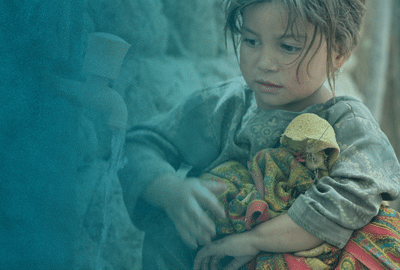
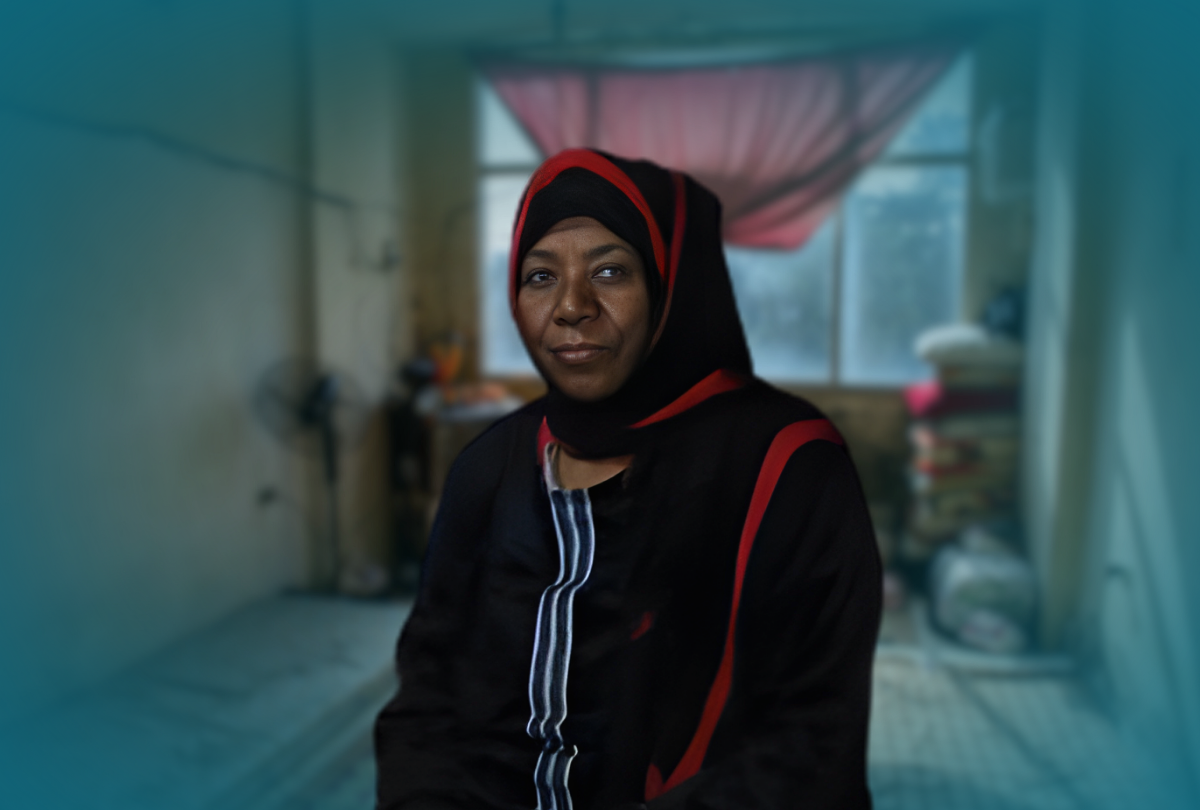
Hamida is 48 and lives in Sana’a, Yemen. Seven years ago, her husband died of cancer. He had worked as a daily wage labourer, and when he passed away, the family’s only income disappeared. Since then, Hamida has cared for her orphaned children alone.
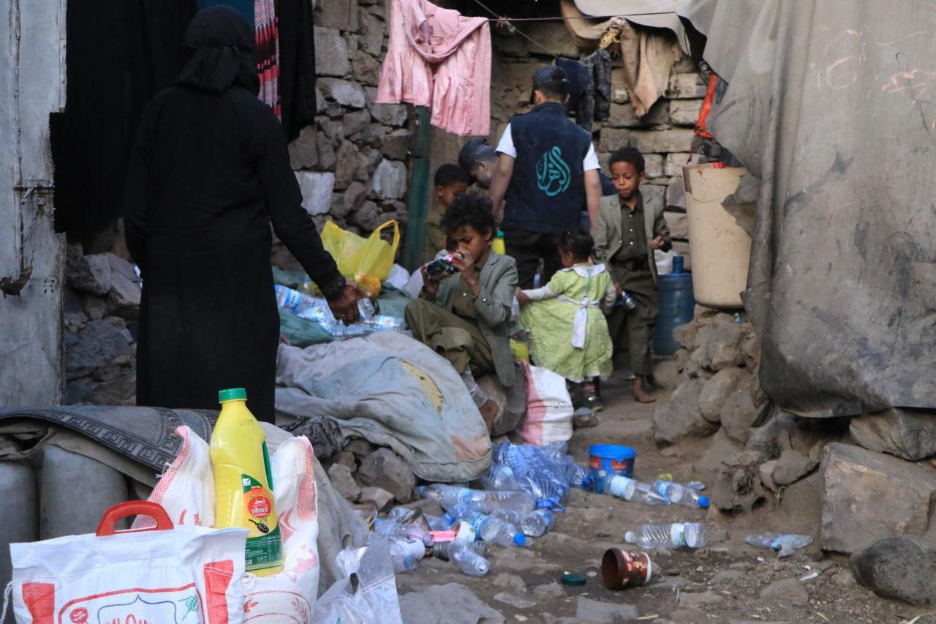
As prices rose beyond reach for many families, even basic needs became uncertain. Food and medication were often difficult to secure, and there were times when Hamida struggled to provide enough meals while worrying about her children’s health and wellbeing.
For Hamida, the problem was immediate and relentless. There was not enough food in the home, and no reliable way to restock it. Each day became a calculation, what can be bought, what must be postponed, and what the children will have to go without.
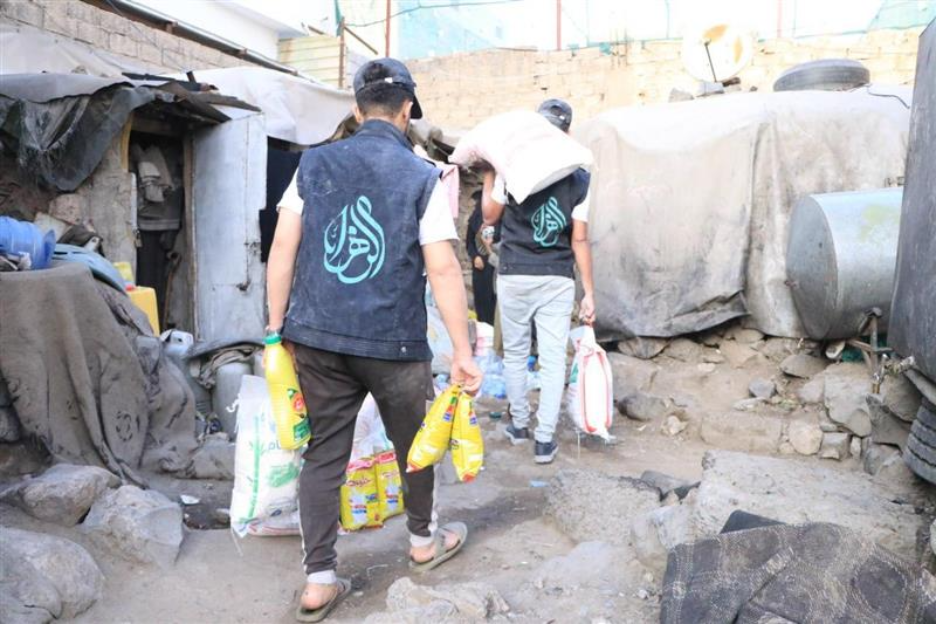
Support arrived through The Zahra Trust with a clear purpose, to restore food security in the home during Shahr Ramadan, when families are often already exhausted. Hamida received a food basket containing essential staples, including rice, flour, sugar, cooking oil, and powdered milk, enough to nourish her family for several weeks.
The impact went beyond the food itself. With meals secured, Hamida could stop rationing every plate and reduce the need to borrow or go without. What little money remained could be directed towards other urgent needs, including medication and basic household costs. Most importantly, her children could eat consistently, protecting their health and giving the household a rare feeling of steadiness.
The Zahra Trust’s support is guided by ongoing assessment, so assistance is directed to families based on need as circumstances change. For Hamida, that meant being seen, not as a number, but as a mother carrying the full weight of survival, and receiving timely help that met the reality in her home.
In Yemen, Hamida’s basket was part of a wider Ramadan response that distributed 20,000 food parcels. Her story is one household within that effort, showing how targeted support can relieve immediate pressure, protect dignity, and help families hold on through the hardest weeks of the year.