The Dream of Learning Comes True: Umm al Banin’s Story
On her first days at school, Umm al-Banin sat in class unable to understand the language being used to teach her.
Umm al-Banin was ten years old and lived in Lashkargah with her family of seven. Her father had once run a small shop, but war swept through their community and the family lost everything, forcing them into a tiny rented room where even bread and tea became a daily struggle.
Her parents still held onto one hope, that Umm al-Banin could learn. But when she enrolled in a public school, lessons were taught entirely in Pashto, a language she could not understand. Day after day she sat confused and left behind, until she had to withdraw, and her education went on hold.
For Umm al-Banin, that loss was more than missing lessons. It was the feeling of being present but excluded, watching the chance of a future slip further away, simply because she could not access the language of the classroom.
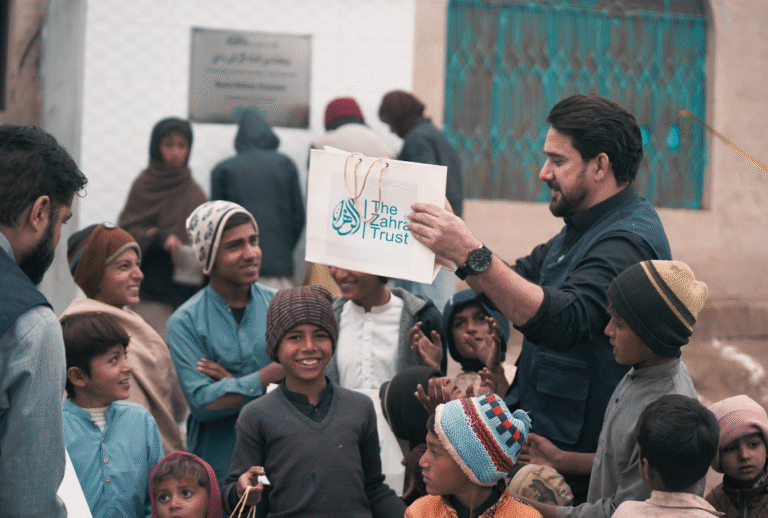
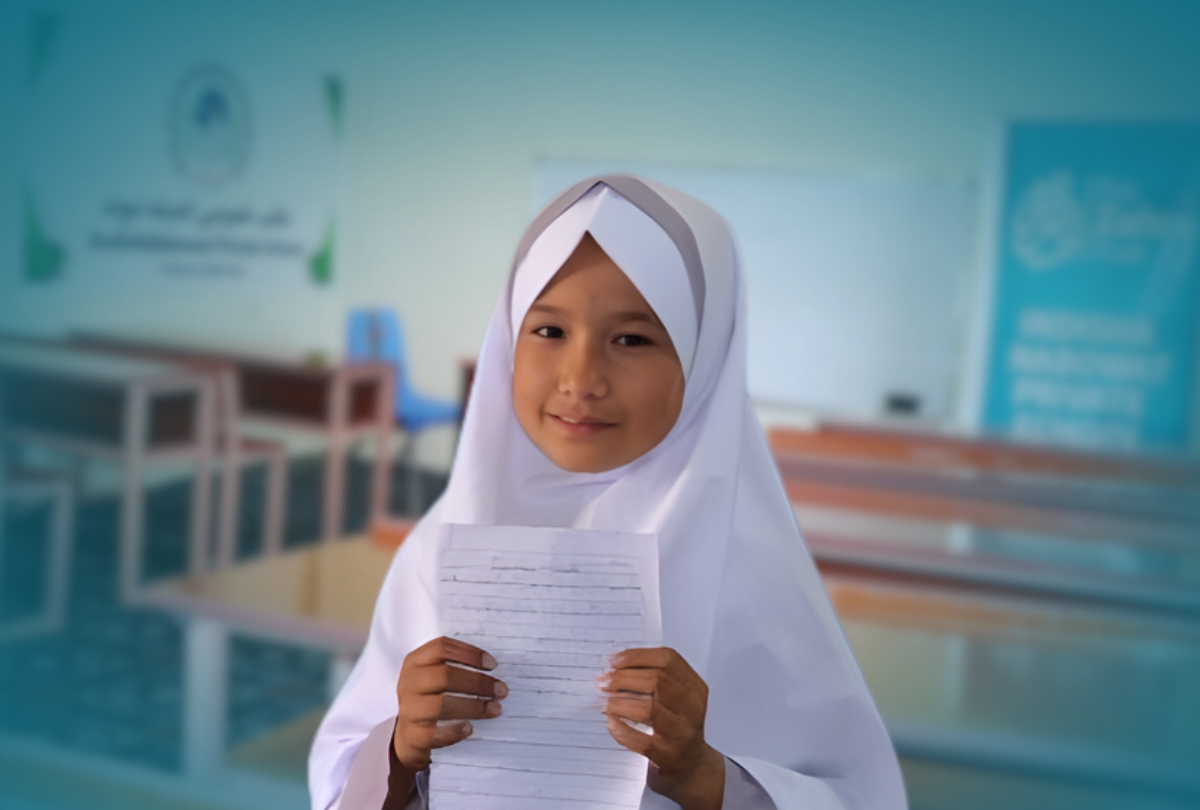
Support arrived when The Zahra Trust learned of her situation through the Andisheh Nabowat Private School Project. Umm al-Banin was offered a place at the school after passing her placement exam, giving her access to teaching she could understand and a learning environment designed to help her progress.
At the school, she received structured lessons, moral and cultural education, and daily nutritious snacks. With the right support in place, her confidence grew quickly, and she began waking early and arriving before her classmates, eager to learn.
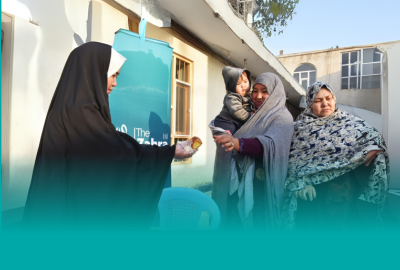
“See, mother? I succeeded! Didn’t I say that God is kind to us!” Umm al-Banin said as The Zahra Trust team visited her family.
Today, Umm al-Banin reads with confidence, writes proudly in her notebooks, and returns home each afternoon to share what she has learned. Her story shows what happens when access barriers are removed, a child who had been left behind could catch up, belong, and begin to dream again.