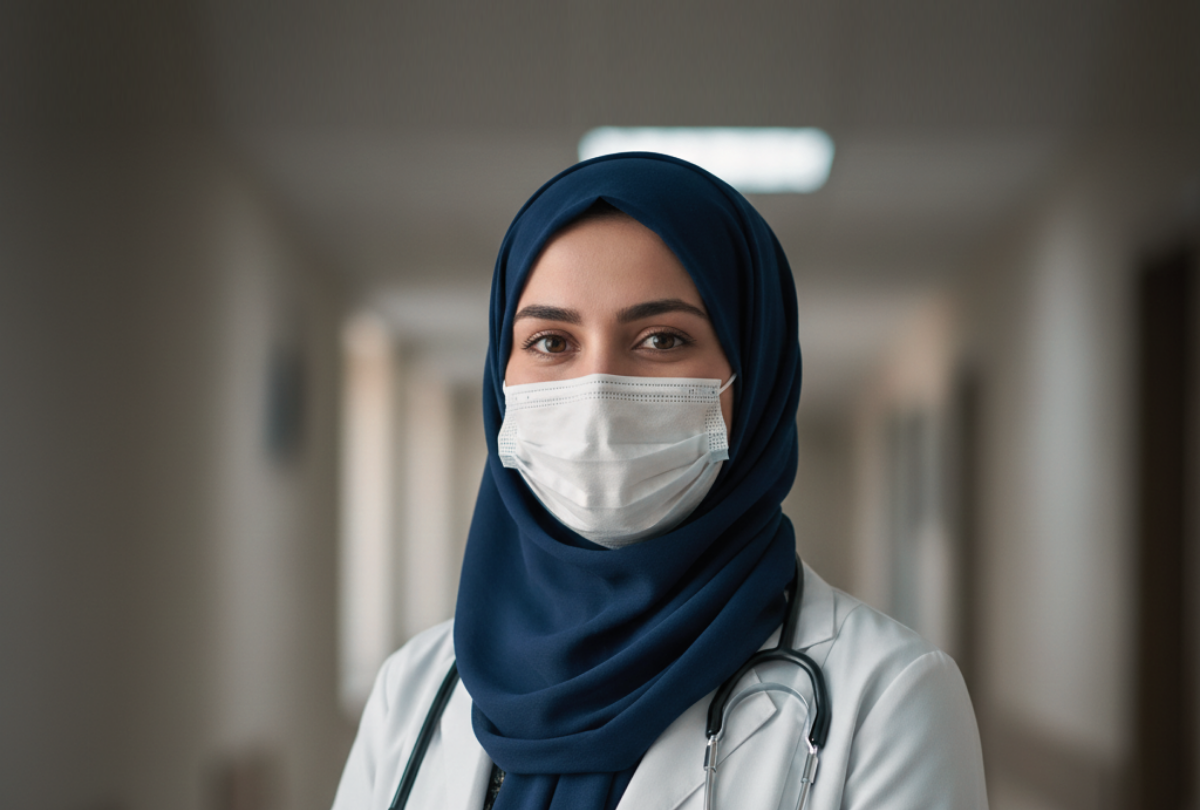
From survival to stability: how aid helps women build independent futures
Survival is not the same as living.
For many vulnerable women across the world, aid has meant getting through today with no certainty about tomorrow.
Emergency relief saves lives in moments of crisis, but on its own, it cannot restore stability.
Women do not only need support to endure hardship.
They need opportunities that allow them to rebuild, regain dignity, and shape independent futures for themselves and their families.
When humanitarian aid is designed with long-term purpose, it becomes more than short-term assistance.
It becomes a pathway from vulnerability to independence.
Through skills, livelihoods, and sustained care, women can move beyond dependence and toward self-reliance.
This is where lasting change begins.
A broken world that leaves women behind
In fragile and low-income settings, women often carry the heaviest burdens.
Poverty, displacement, widowhood, and limited access to education or work leave many women with few options to support themselves or their children.
When families are uprooted or breadwinners are lost, women are frequently pushed into unsafe or unstable situations simply to survive.
These challenges are not personal shortcomings. They are structural realities.
Without access to skills, income, or decision-making power, women can become trapped in cycles of dependence on systems that were never designed to help them move forward.
Islam affirms that hardship does not diminish human worth.
The Quran reminds us:
“We have indeed honoured the children of Adam (as)…”
Surah Al-Isra, Verse 70
Dignity is a right, not a reward.
Aid that overlooks this risks keeping women in survival mode instead of helping them rebuild their lives.
From vulnerability to independence
Independence does not mean standing alone.
For vulnerable women, it means having the tools, confidence, and stability to make choices about their own lives.
It means earning an income, planning ahead, and providing for family needs without constant fear of collapse.
When women gain access to livelihoods, they begin to build assets such as savings, tools, and education for their children.
These assets reduce reliance on relatives or exploitative work and allow women to think beyond daily survival.
As women become more secure, families benefit.
Children are more likely to stay in school, household nutrition improves, and future planning becomes possible.
Over time, this stability strengthens the wider global community. These assets reduce dependency on relatives or exploitative work and allow women to think beyond daily survival.
Independence also strengthens families.
Women with economic stability are better able to keep children in school, improve nutrition, and plan for the future.
Over time, this stability spreads outward, strengthening the wider global community.
Why women’s independence matters
Excluding women from economic and social life is not only unjust. It weakens families and slows recovery after crisis.
When women lack opportunities, poverty deepens.
Long-term projections show that millions more women could fall into poverty if aid continues to focus only on immediate relief.
Sustainable support is essential.
Aid must help women build livelihoods that last beyond a single emergency.
Supporting women’s independence is not charity alone.
It is an investment in long-term stability and dignity.
What effective aid looks like for women
Not all aid leads to independence. Effective programs share key elements that prioritize dignity and long-term progress.
Women benefit most when they receive predictable income under their own control.
Assistance provided directly to women can restore confidence and increase their ability to manage household needs.
Skills training must be practical and connected to real opportunities.
Training works best when paired with mentoring, access to markets, and ongoing guidance rather than one-time workshops.
Access to savings and small-scale finance allows women to invest in their own goals.
Community savings groups often provide both financial support and safe spaces where women can share knowledge and build confidence together.
Economic support must also be paired with social protection.
Without safety, childcare, and protection from harm – women cannot fully benefit from new opportunities. Without safety, childcare, and protection from harm, women cannot fully benefit from economic opportunities.
A vision for the future
Imagine a future where women have the skills and confidence to provide for their families.
Where mothers can plan ahead without fear.
Where daughters grow up watching resilience modeled in everyday life.
This vision reflects a responsibility to protect those most at risk.
Imam Ali (as) warned:
“Injustice to orphans and widows brings down divine wrath and takes away the blessings from those who possess them.”
Ghurar al-Hikam, n.5770
Justice requires more than sympathy. It requires sustained action.
Our movement: turning care into change
The Zahra Trust is committed to supporting vulnerable women with compassion and purpose.
Through programs focused on livelihoods, education, and sustainable support, women are given the tools to move from dependency to independence.
These efforts include programs such as midwifery training, confectionery production, and artisanal handicraft work, giving women practical skills they can use to support themselves and their families.
This work is grounded in dignity.
It recognizes women as capable, resilient, and deserving of opportunity.
By addressing both immediate needs and long-term stability, we help women rebuild their lives with confidence and hope.
The strength that multiplies
When you support a widow, you are not only helping her survive today.
You are showing her daughter what is possible tomorrow.
A widow who rebuilds her life teaches her children that loss does not have to mean defeat.
That resilience can be learned. That women can hold families together with strength and dignity.
Support widows as they rebuild independent futures through The Zahra Trust.
FAQ
When women are supported in building stable lives, families become more secure and communities grow stronger over time.
Emergency aid addresses immediate needs. Sustainable support helps women develop skills, income, and systems that allow them to remain independent.
Cash can help when women control it and when it is paired with skills training, protection, and longer-term planning.
Dignity allows women to make choices, plan ahead, and participate fully in family and community life.
Women with stability contribute to healthier families, safer communities, and stronger societies overall.
By supporting programs that prioritize education, livelihoods, and sustainable support for women through The Zahra Trust.