Sometimes the most powerful form of aid is opportunity.
Food assistance can provide immediate relief. Emergency support can help families survive difficult circumstances. But long-term change often begins when people gain the skills and confidence needed to support themselves.
That is why skills training remains one of the most effective ways to restore dignity and create lasting impact.
More than learning a trade
When someone develops a new skill, they gain more than a source of income.
They gain confidence. They gain independence. They gain the ability to contribute to their family and community with dignity.
For vulnerable families, these opportunities can transform lives.
Allah (swt) says in the Holy Quran:
“And that there is not for man except that [good] for which he strives.” (53:39)
This verse highlights the value of effort and reminds us that meaningful opportunities can help people unlock their potential.
Creating sustainable livelihoods
Breaking the cycle of poverty requires more than short-term support.
Families need opportunities that can continue benefiting them long after assistance has ended.
Vocational training helps participants develop practical abilities that can lead to employment, self-employment, and sustainable livelihoods. These opportunities create stability and help reduce future vulnerability.
Skills training empowers people to build a stronger future through their own efforts.
From reliance to self-sufficiency
One of the most important outcomes of livelihood programmes is increased self-sufficiency.
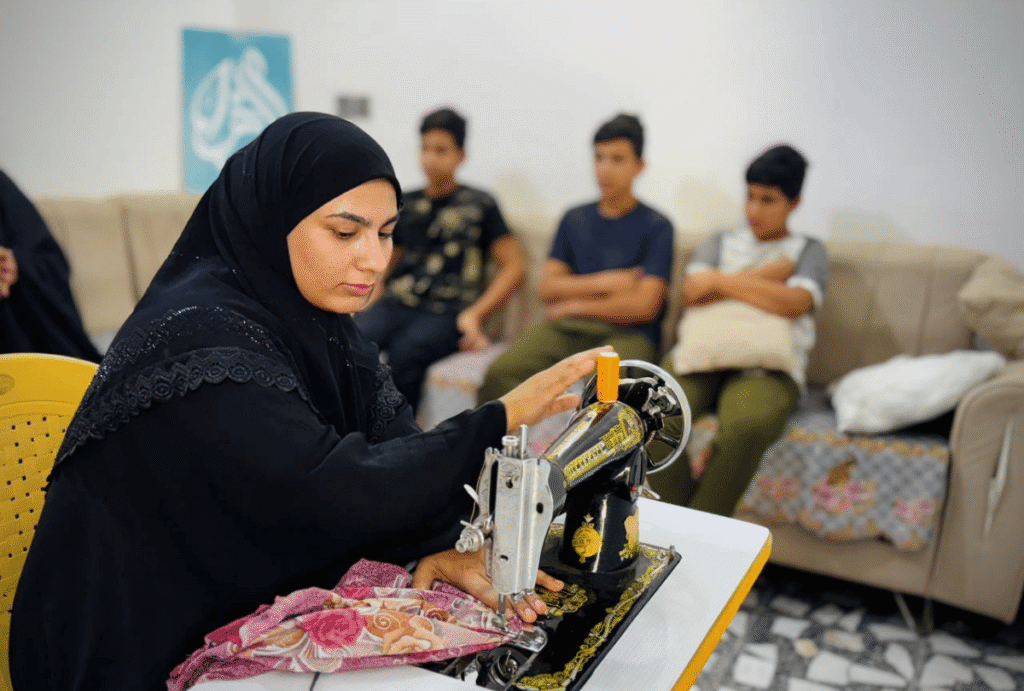
Whether through tailoring, handicrafts, literacy education, or small business development, participants gain valuable skills that can support them for years to come.
The ability to earn and provide for loved ones brings a renewed sense of confidence and purpose.
It allows families to move from dependence towards greater independence.
Strengthening entire communities
The benefits of skills training extend beyond the individual participant.
When a parent gains income-generating skills, children often gain better access to education, healthcare, and nutritious food. Households become more stable and resilient.
Communities also benefit from increased economic activity and greater opportunities for growth.
One person's success can create positive change for many others.
Restoring hope and opportunity
Poverty can often limit opportunities and create uncertainty about the future.
Skills training helps restore hope by providing practical pathways forward.
It gives individuals the tools they need to pursue their goals, support their families, and build a future based on opportunity rather than dependence.
Investing in long-term change
At The Zahra Trust Canada, we believe lasting change requires sustainable solutions.
Alongside humanitarian assistance, we invest in vocational training and livelihood programmes that empower vulnerable individuals to become self-sufficient and resilient.
By helping people develop practical skills, we support futures rooted in dignity, opportunity, and hope.
Help create sustainable futures
Every new skill can open the door to a brighter future.
Through vocational training and livelihood programmes, The Zahra Trust Canada helps vulnerable individuals gain the tools they need to support themselves and their families.
Together, we can help break cycles of poverty and create lasting change for generations to come.
Frequently asked questions
What is skills training?
Skills training refers to educational and vocational programmes that teach practical abilities individuals can use to generate income and build sustainable livelihoods.
How does skills training restore dignity?
Skills training empowers people to support themselves, contribute to their households, and achieve greater independence, helping restore confidence and self-respect.
Why are livelihood programmes important?
Livelihood programmes help people create sustainable sources of income and reduce long-term dependence on aid.
Who benefits from vocational training?
Widows, vulnerable women, low-income families, displaced individuals, and other at-risk communities often benefit from vocational training opportunities.
How does skills training reduce poverty?
Skills training improves access to employment and self-employment opportunities, helping individuals increase income and improve financial stability.
What types of skills are taught?
Programmes may include tailoring, handicrafts, literacy education, vocational trades, entrepreneurship, and business development.
How does skills training strengthen communities?
Skills training helps families become more financially secure, supports local economies, and creates opportunities that benefit future generations.
How does The Zahra Trust Canada support sustainable livelihoods?
The Zahra Trust Canada invests in vocational training, education, and livelihood programmes that help vulnerable communities achieve greater self-sufficiency.
More from Blog
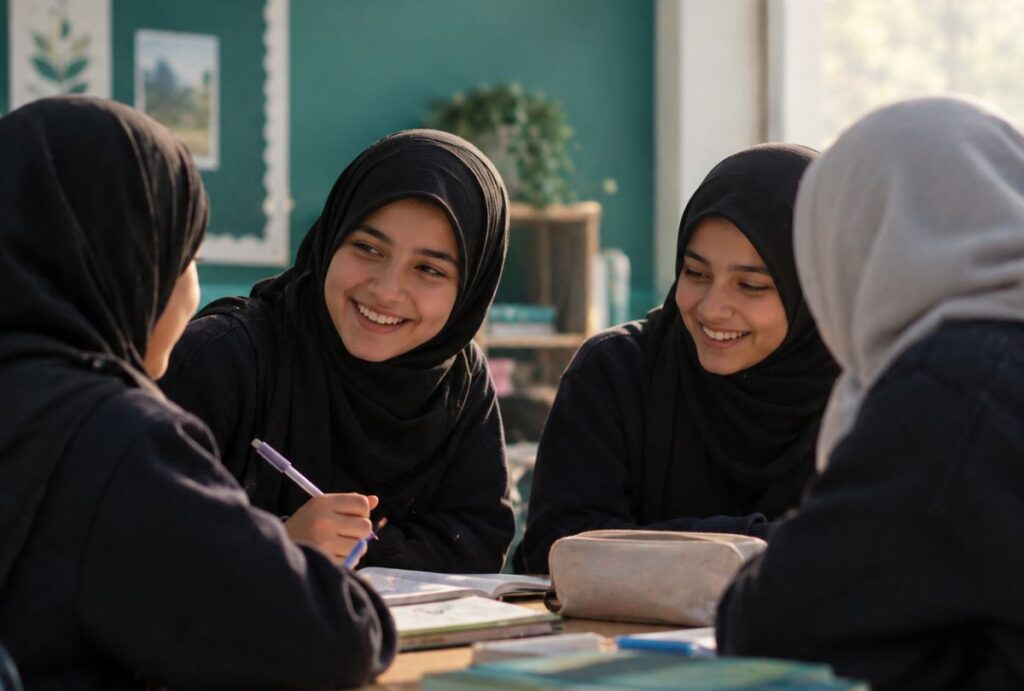
The Future Starts with Education
Help vulnerable children access education, technology and skills for a brighter future. Support The Zahra Trust with a Back to School gift…
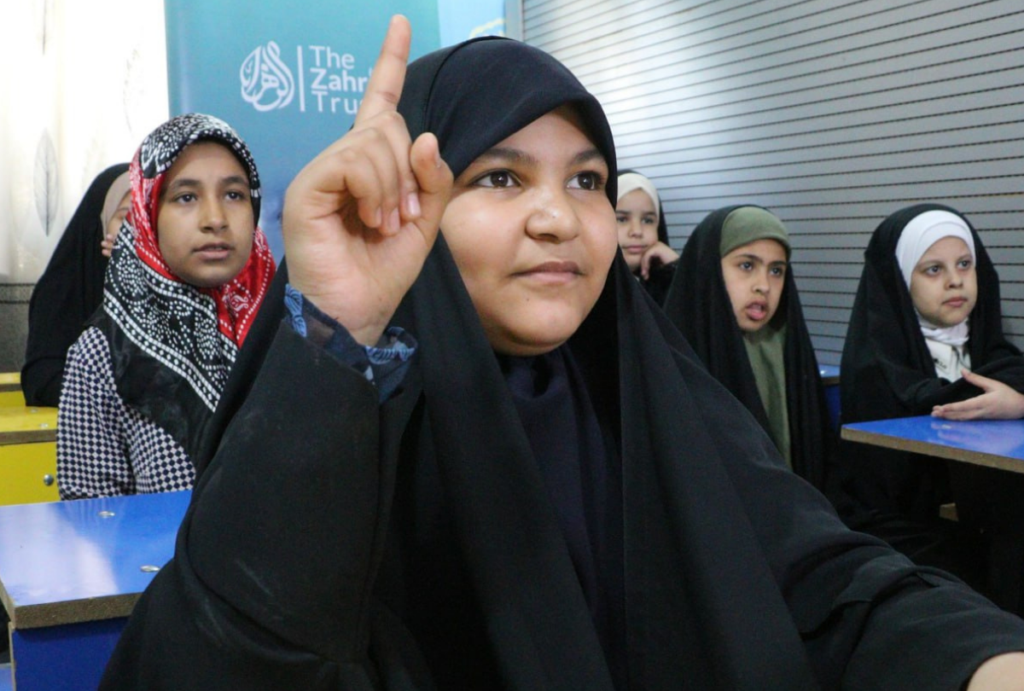
Rebuilding Futures Through Education: Restoring Hope, Dignity and Opportunity
When communities experience crisis, the effects can continue long after the immediate hardship has passed. Conflict, poverty, and displacement can interrupt a…
From Backpack to Graduation: The Ripple Effect of Education
Learn how an education donation can help remove barriers to learning and support a child's journey from school towards adulthood. Donate today…