Part 3: Day in the Life of a Field Worker
Ramadan in the field begins long before the sun rises.
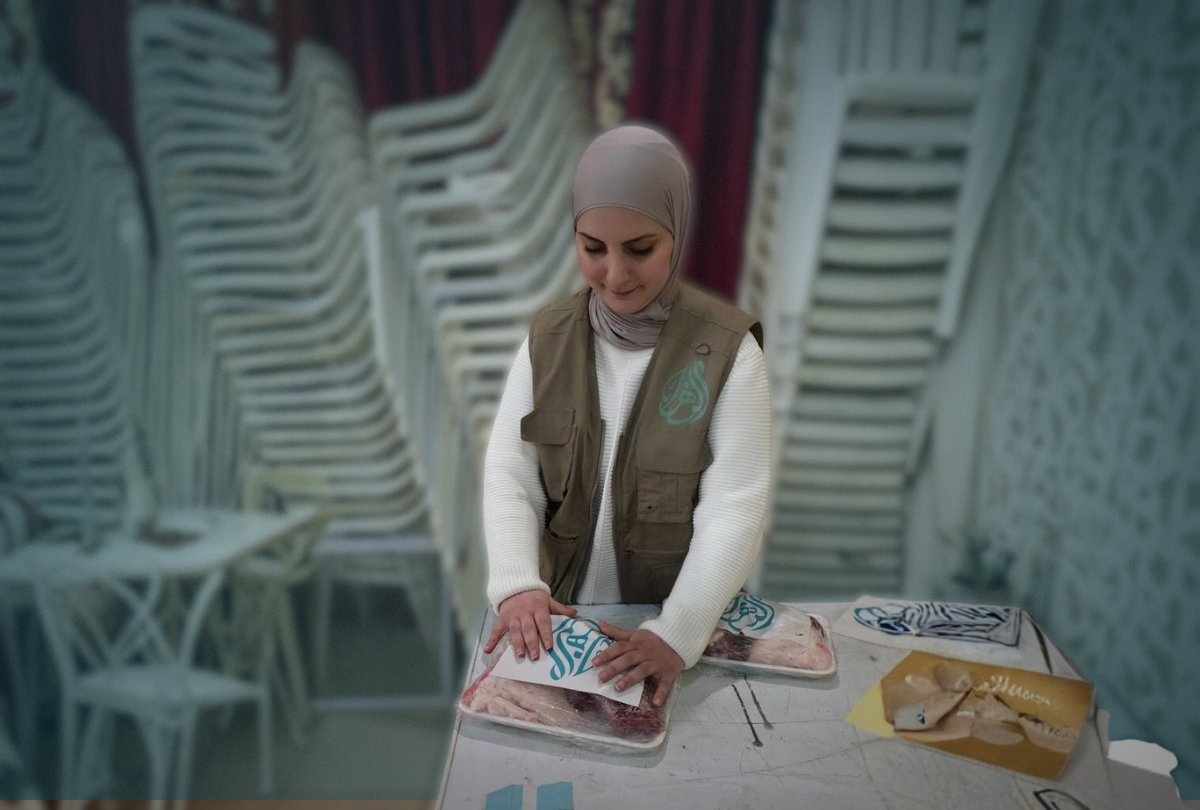
For Rawan Khayat, it is a month that blends spiritual reflection with physical endurance, responsibility with compassion.
While fasting, she continues to serve families in need—navigating long days, expanded humanitarian programmes, and the emotional weight of witnessing hardship—guided by a deep sense of purpose that defines her work.
What does a typical workday look like for you during Ramadan?
My day during Ramadan begins before sunrise. Like many others, I start with suhoor, followed by a quiet moment of introspection. I know the hours ahead will be long, but also deeply meaningful.
Fieldwork during Ramadan requires additional preparation, cooperation, and patience. My day includes site visits, communication with beneficiaries, and close coordination with local teams—all while fasting. Although the physical demands can be challenging, the purpose behind the work gives me the strength to continue.
During Ramadan, our activities increase significantly. Among our primary projects are the distribution of food parcels to families in need, organizing and delivering iftar meals, sponsoring iftar for orphans, and providing full iftar support to vulnerable families throughout the blessed month, along with many other initiatives.
What challenges do you face while working in the field during Ramadan?
Some days come with real difficulties—delays in supplies, challenging field conditions, or needs that exceed what we can immediately provide. These moments can feel especially heavy during Ramadan, when expectations and responsibilities are high.
Fasting while working in the field adds another layer of difficulty, but it also deepens my understanding of hardship. It allows me to truly connect with the suffering of others and strengthens my sense of responsibility toward them.
What motivates you to continue this work during such a demanding time?
My life is intrinsically tied to humanitarian and volunteer work. It is not something I consider optional, but rather a foundation of who I am and a responsibility I carry. I cannot imagine Ramadan passing without serving others—especially given the difficult circumstances that surround us.
Serving others, for me, is not simply an act of goodwill; it is a duty. It helps me grasp the deeper meaning of fasting, builds empathy, and reminds me why accountability to others matters.
Are there moments that make the challenges worthwhile?
Yes—there are moments that stay with me long after the day ends. A beneficiary’s appreciative smile, a silent expression of gratitude, or seeing a family gather for iftar knowing they will receive continued support—these moments make everything worthwhile.
They are small in appearance, but immense in meaning.
How does Ramadan shape your experience as a field worker?
Although fasting while working in the field can be difficult, Ramadan gives this work greater significance. It becomes a daily reminder of patience, compassion, tolerance, and responsibility toward others. Even the hardest days are transformed into acts of purpose and service.
As the sun sets, the day slowly settles. I return home exhausted, yet deeply thankful—grateful for the team I work with, for the trust of the communities we serve, and for the opportunity to contribute, even in a small way, during this sacred month.
In the field, Ramadan is about more than work. It is about resilience, connection, and hope—and that is what I carry with me into the following day.
To learn more about our work and how you can get involved, click here!