Serving humanity: A core teaching of the Ahlulbayt (as)
What if the true measure of faith is found not only in prayer mats – but in open hands?
As Muslims, our love for the Ahlulbayt (as) shapes our identity. Yet their legacy teaches us something profound: faith must serve.
Allah (swt) says in the Holy Qur’an:
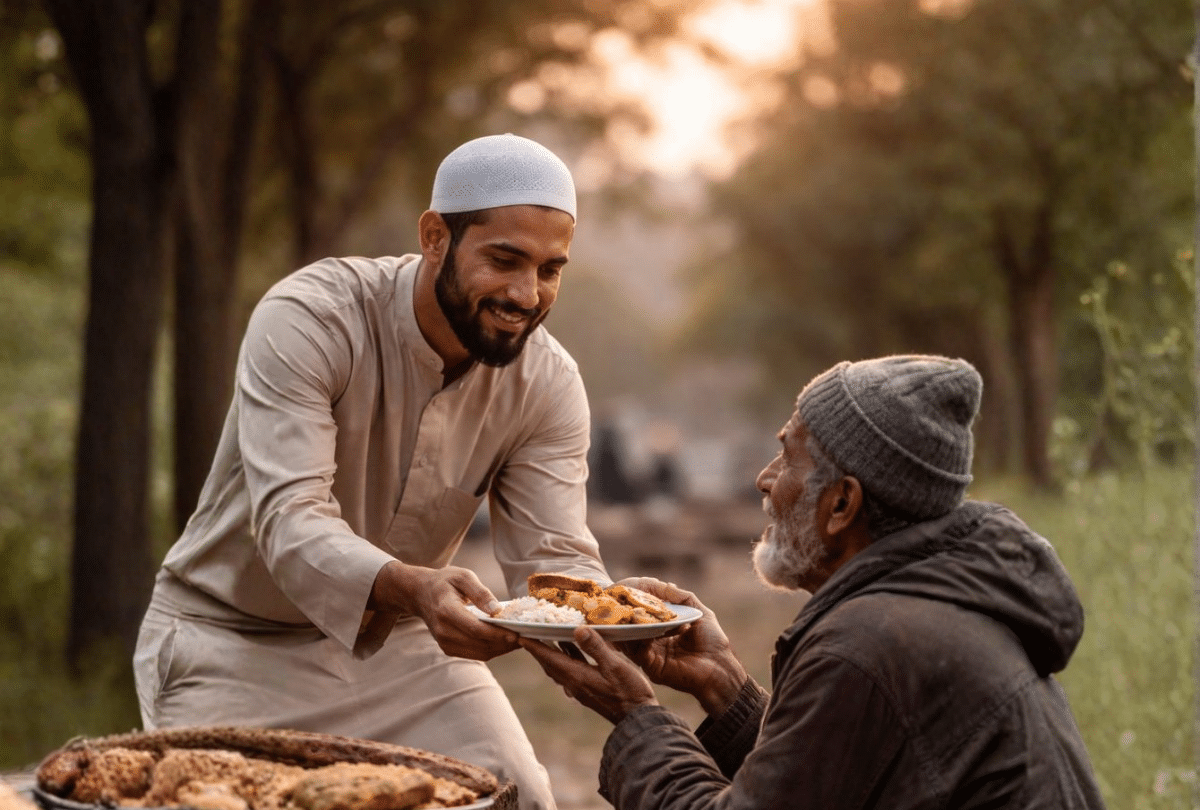
“And they give food, despite their love for it, to the needy, the orphan, and the captive.”
Surah Al-Insaan, Ayah 8
This verse was revealed about Imam Ali (as) and Lady Fatima (sa), who chose generosity over comfort.
Service defined their character.
The living example of compassion
Imam Ali (as) supported the poor personally. Imam Hasan (as) shared his wealth multiple times. Imam Husayn (as) gave his life to defend justice.
The Ahlulbayt (as) didn’t separate spirituality from social responsibility.
They lived both.
Serving our communities
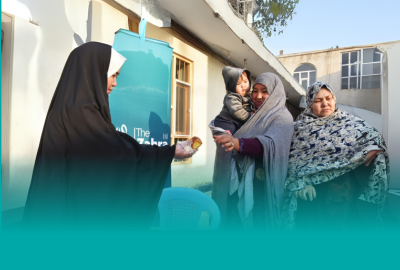
Across the globe, families face food insecurity, housing challenges, and rising costs of living. Many struggle quietly.
Serving humanity today means responding with compassion.
It can include:
- Supporting widows and single mothers
- Funding community support programs
- Providing essential supplies
- Offering hope through practical assistance
These acts reflect the prophetic example.
Service as an act of worship
Islam teaches balance. Prayer strengthens the soul. Service strengthens society.
The Prophet (saww) taught that the best people are those who benefit others most. When we serve with sincerity, our actions become ibadah.
Consider: How can I serve consistently? What resources can I share? How can I reflect the mercy of the Ahlulbayt (as)?
Serving humanity begins with intention – and grows through action.
FAQ
It reflects the teachings and example of the Ahlulbayt (as), who prioritised compassion and justice.
Quran 76:8 highlights feeding the needy and was revealed about Imam Ali (as) and his family.
Yes, sincere service for Allah’s (swt) sake is a form of worship.
By supporting vulnerable families, volunteering, and giving consistently.
Charity embodies the compassion and generosity modelled by the Ahlulbayt (as).