The Ahlulbayt (as) and Eternal Giving
Ramadan teaches restraint — not to create hardship, but to awaken awareness.
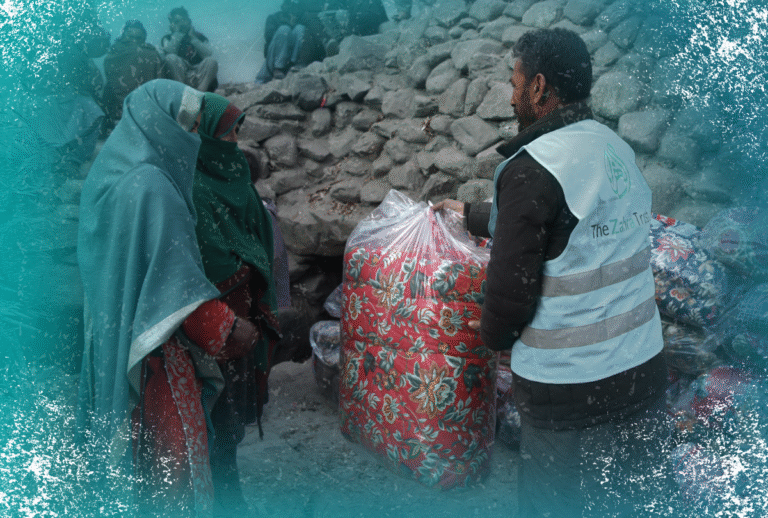
The Ahlulbayt (as) lived with this awareness year-round. Their giving was thoughtful, inclusive, and rooted in mercy. They didn’t wait for collapse. They acted early, quietly, and with intention.
That is the essence of eternal giving.
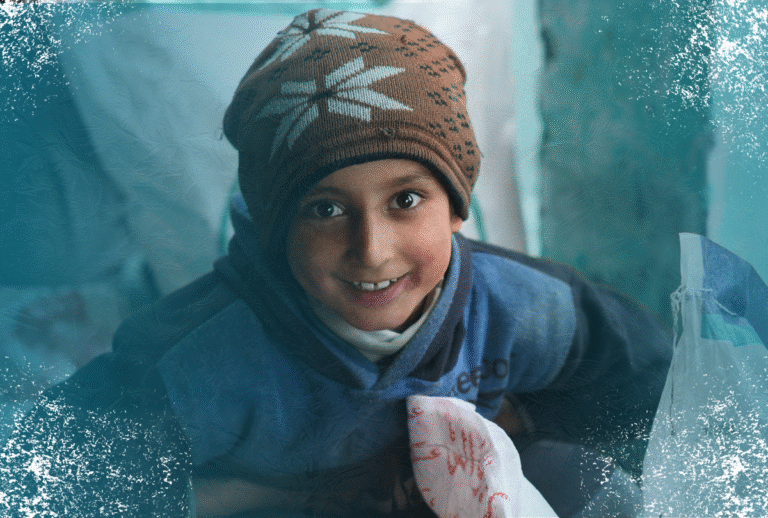
A meal given at the right moment can prevent a child from leaving school.
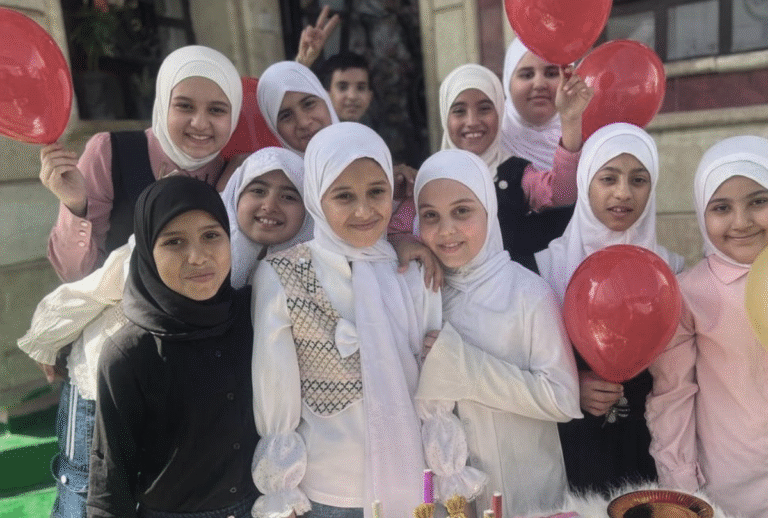
Clean water can mean the difference between a birthday party and an empty chair.
Medical care can stop a small wound from becoming generational poverty. These acts may look modest, but their impact multiplies.
Supporting widows reflects this same wisdom. When a woman is supported with dignity, she doesn’t just survive — she teaches her children resilience. Strength ripples outward, creating families and communities that refuse to break.
Islamic giving also reframes wealth itself. What we hold is temporary. What we give — sincerely, strategically — becomes permanent. It is not charity that disappears, but mercy that remains.
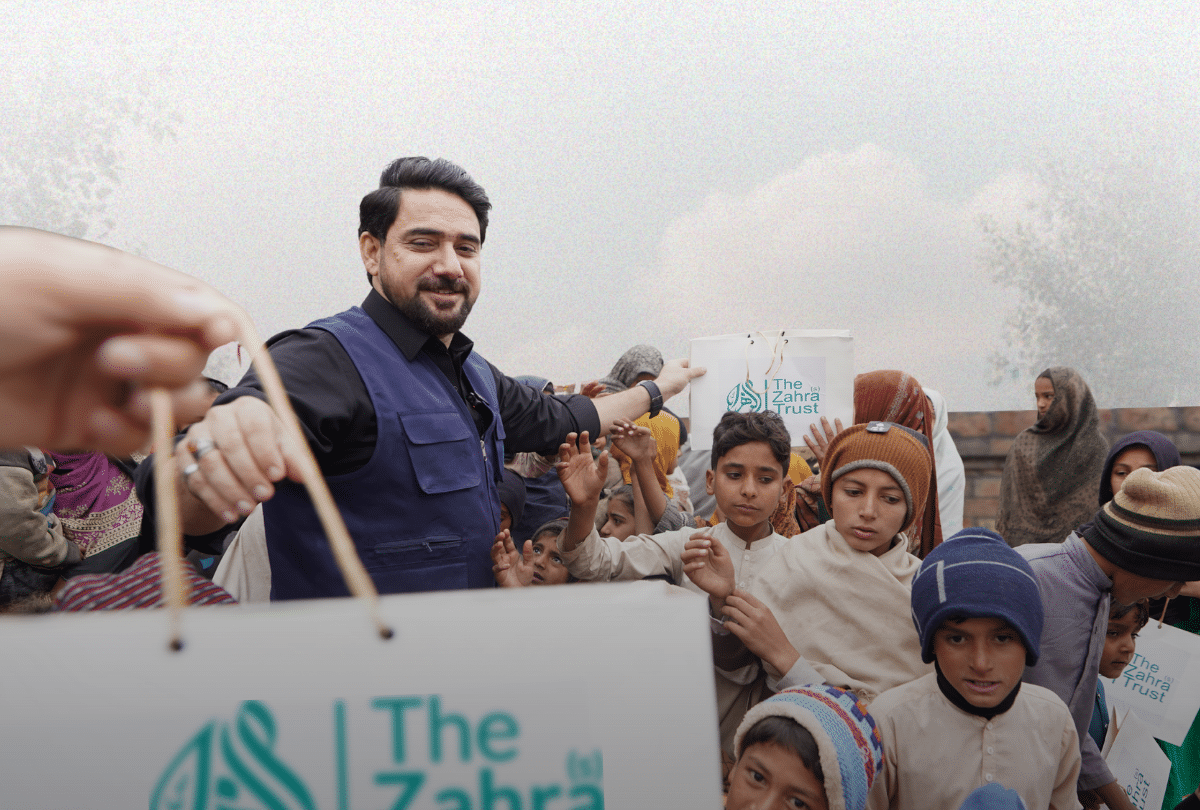
Ramadan brings this lesson into focus. A table becomes security. A well becomes unconditional hospitality. A future becomes possible because someone acted in time.
Eternal giving is not loud.
But it is lasting.
And it is how legacies are built.
FAQ
Charity that continues to benefit people over time, especially Sadaqah Jariyah.
Their lives embodied generosity rooted in justice, mercy, and foresight.
It connects personal sacrifice with empathy for others.
Because stopping crises early protects families and communities.
They serve everyone without condition for decades.
It transforms these timeless values into real-world impact today.