
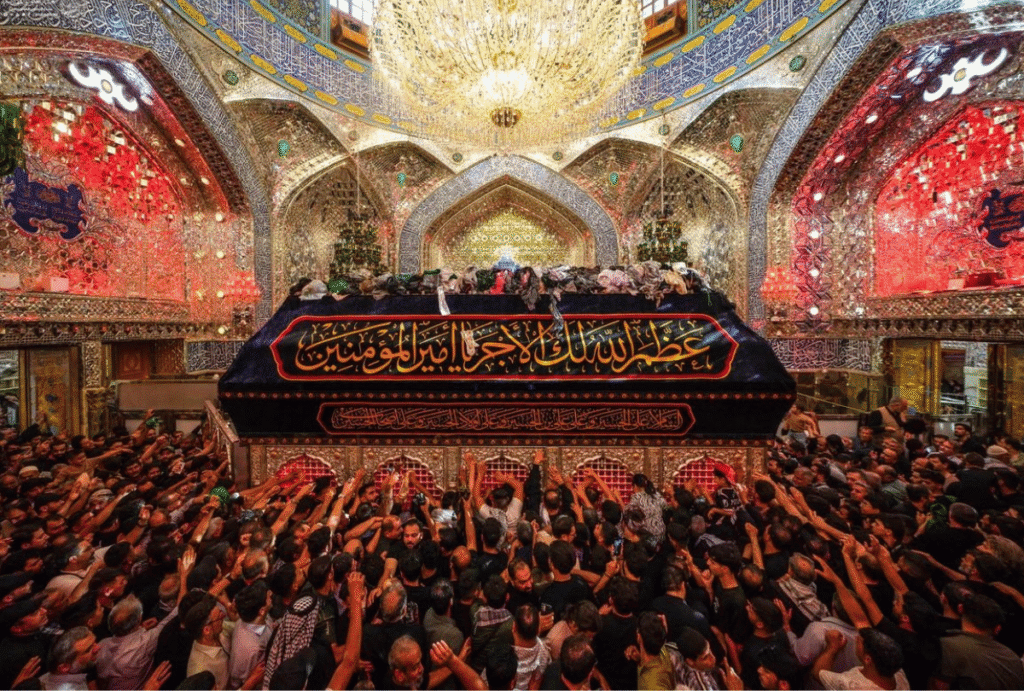
Every year on the twentieth of Safar, millions of believers around the world commemorate Arbaeen, marking forty days since the martyrdom of Imam Hussain (as) in Karbala. For many Shia Muslims, this day represents far more than the end of a mourning period. It is a time to renew one's faith, strengthen one's love for the Ahlulbayt (as), and recommit to the values that Imam Hussain (as) gave his life to protect.
At the heart of this commemoration is Ziyarat Arbaeen. Whether recited beside the blessed shrine of Imam Hussain (as) in Karbala or from thousands of kilometres away, this special ziyarat allows believers to express their loyalty, remember the sacrifice of Karbala, and reaffirm their commitment to justice, compassion, and devotion to Allah (swt).
Why Arbaeen continues to inspire millions
Arbaeen marks the fortieth day after the tragedy of Ashura. Throughout Islamic tradition, the number forty is associated with spiritual reflection, growth, and completion. Rather than signalling the end of mourning, Arbaeen represents the continuation of Imam Hussain's (as) message.
The day reminds believers that Karbala was not simply an event confined to history. Its lessons remain relevant today, encouraging Muslims to uphold truth, reject injustice, and remain steadfast in their faith regardless of the challenges they face.
The Quran reminds believers of the importance of honouring what Allah (swt) has made sacred:
Remembering Imam Hussain (as), preserving his legacy, and honouring the sacrifice made at Karbala are powerful examples of venerating the sacred symbols of Allah (swt). Through Arbaeen, believers renew not only their grief but also their dedication to living according to Islamic values.
Understanding Ziyarat Arbaeen
Ziyarat Arbaeen refers both to visiting Imam Hussain (as) on the twentieth of Safar and to the specific ziyarat recitation recommended on this day.
The text begins by sending peace upon Imam Hussain (as), acknowledging his nearness to Allah (swt), his sincerity, and the immense sacrifice he made for Islam. It also bears witness to the oppression committed against him and affirms the believer's allegiance to his mission.
While millions undertake the journey to Karbala every year, the beauty of Ziyarat Arbaeen is that physical distance is never a barrier. Those unable to travel can recite the ziyarat from home, in their local mosque, or anywhere they choose, strengthening their spiritual connection to Imam Hussain (as).
A defining characteristic of a believer
The importance of Arbaeen is emphasized in one of the most well-known narrations from the Ahlulbayt (as).
This narration illustrates the unique place of Arbaeen within Shia Islam. Visiting Imam Hussain (as) on Arbaeen, or remembering him through this special ziyarat, reflects an ongoing relationship with the Imam and his message. It serves as a reminder that faith is demonstrated not only through worship but also through loyalty to the principles embodied by the Ahlulbayt (as).
Loving the Ahlulbayt (as) beyond words
Love for the family of the Holy Prophet (saww) lies at the heart of Islamic belief. The Quran makes this clear:
This love is more than an emotion. It is expressed through remembrance, obedience, and striving to live according to the teachings of the Ahlulbayt (as).
Ziyarat Arbaeen gives believers an opportunity to renew this covenant. Every greeting, testimony, and declaration within the recitation reminds us that our love for Imam Hussain (as) should inspire us to become more patient, compassionate, truthful, and devoted servants of Allah (swt).
Carrying forward the legacy of Karbala
The message of Karbala did not end with the martyrdom of Imam Hussain (as). It continued through the courage and perseverance of Sayyida Zainab (sa) and Imam Zain al-Abideen (as), whose unwavering commitment ensured that the truth of Karbala reached future generations.
Despite enduring immense hardship, they refused to allow the sacrifice of Imam Hussain (as) to be forgotten. Their resilience transformed grief into guidance, preserving the values of justice and faith for Muslims throughout history.
Their example teaches us that loyalty to Imam Hussain (as) is demonstrated through action. It means standing for truth, serving our communities, helping those in need, and remaining committed to Allah (swt) even during life's greatest challenges.
More than a journey to Karbala
Every year, millions of pilgrims walk towards Karbala in one of the largest annual gatherings in the world. Their journey symbolizes devotion, unity, and a shared love for Imam Hussain (as).
Yet the significance of Ziyarat Arbaeen extends far beyond those who are physically able to make the pilgrimage.
Whether someone visits the shrine or recites the ziyarat from another part of the world, the purpose remains the same. It is an opportunity to renew one's allegiance to Imam Hussain (as), reflect upon his sacrifice, and recommit to living according to the values he defended.
For countless believers, Arbaeen serves as an annual reminder that the lessons of Karbala continue to guide every generation.
Forty days of reflection and remembrance
The forty-day period between Ashura and Arbaeen is one of reflection, remembrance, and spiritual renewal. During this time, believers mourn the tragedy of Karbala while considering how the sacrifice of Imam Hussain (as) can shape their own lives.
The significance of these forty days is reflected in the narrations of the Ahlulbayt (as).
This narration illustrates the immense significance of Imam Hussain's (as) sacrifice. His stand at Karbala was not simply a moment in history. It was a defining event that continues to inspire believers to uphold truth, justice, and unwavering faith in Allah (swt).
As believers commemorate Arbaeen, they are reminded that remembrance is not only about mourning. It is also about allowing the message of Karbala to influence how they worship, serve others, and respond to injustice in their daily lives.
Walking the path of Hussain (as) beyond Arbaeen
Ziyarat Arbaeen is much more than a remembrance of the tragedy of Karbala. It is a living expression of faith that renews our connection with Imam Hussain (as), strengthens our love for the Ahlulbayt (as), and inspires us to live with sincerity, courage, and devotion to Allah (swt). Whether we stand beside the shrine of Imam Hussain (as) or remember him from afar, the message of Arbaeen continues to guide hearts towards justice, compassion, and steadfast faith.
Today, millions journey towards Aba Abdillah (as). Support the people and communities serving this extraordinary movement. Let your giving walk beside them and help sustain the path of devotion, service, and generosity that continues to inspire believers across the world.
Frequently asked questions
What is Ziyarat Arbaeen?
Ziyarat Arbaeen is the recommended visitation of Imam Hussain (as) on the twentieth of Safar and the special ziyarat recitation associated with that day. It may be performed at the shrine in Karbala or recited from anywhere in the world.
Why is Ziyarat Arbaeen important?
Ziyarat Arbaeen commemorates the sacrifice of Imam Hussain (as), renews love and loyalty to the Ahlulbayt (as), and reminds believers to uphold the values of justice, faith, and compassion.
Is visiting Karbala required to perform Ziyarat Arbaeen?
No. While visiting Karbala on Arbaeen is highly recommended, believers who are unable to travel can recite the Ziyarat Arbaeen wherever they are and still strengthen their spiritual connection with Imam Hussain (as).
Why is Arbaeen observed forty days after Ashura?
The fortieth day holds spiritual significance in Islamic tradition as a period of reflection and renewal. Arbaeen marks forty days after the martyrdom of Imam Hussain (as), allowing believers to renew their commitment to his message.
What is the message of Ziyarat Arbaeen?
Ziyarat Arbaeen reminds believers to remain loyal to Imam Hussain (as), reject oppression, pursue justice, and follow the example of the Ahlulbayt (as) through faith, service, and good character.
Where can I find the text of Ziyarat Arbaeen?
The recitation can be found in recognized Shia devotional works such as Mafatih al-Jinan and through trusted Islamic organizations that provide both the Arabic text and English translation.
More from Blog
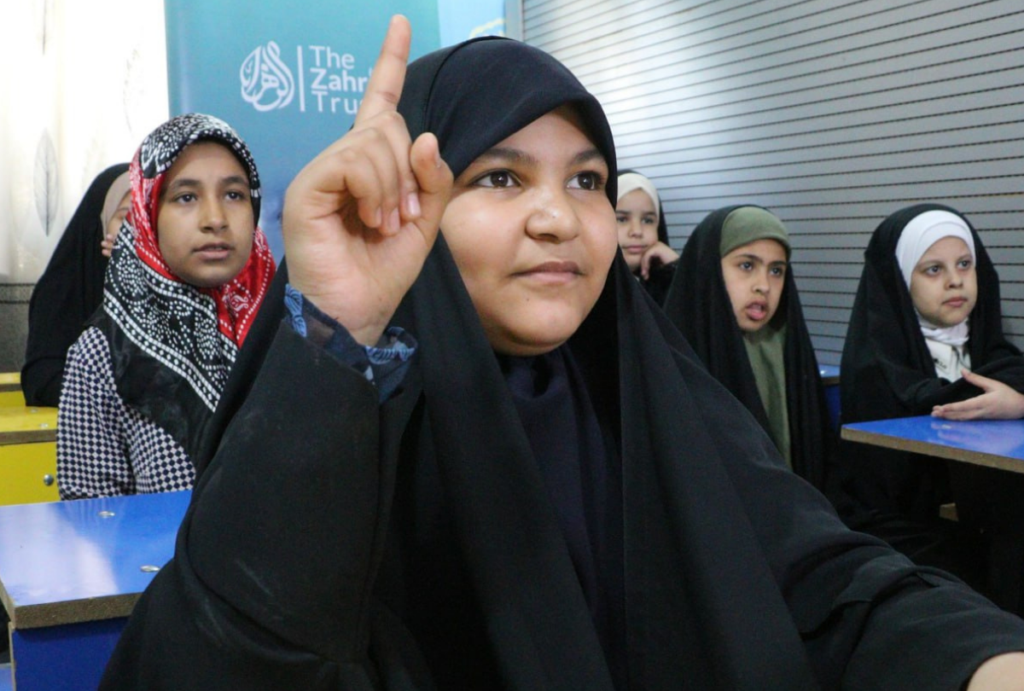
Rebuilding Futures Through Education: Restoring Hope, Dignity and Opportunity
When communities experience crisis, the effects can continue long after the immediate hardship has passed. Conflict, poverty, and displacement can interrupt a…
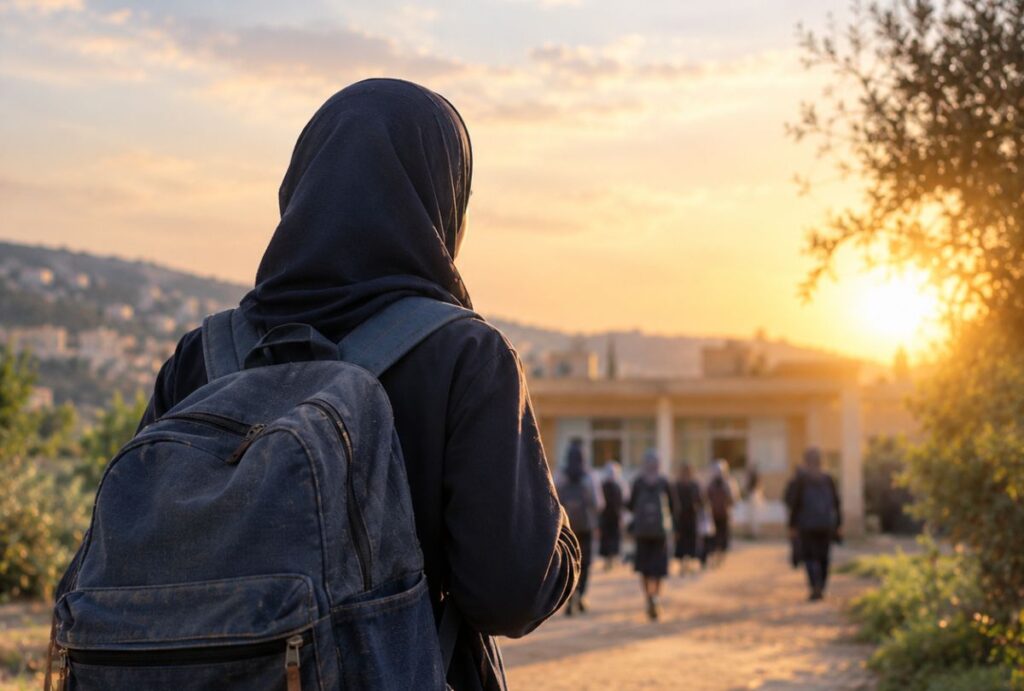
From Backpack to Graduation: The Ripple Effect of Education
Learn how an education donation can help remove barriers to learning and support a child's journey from school towards adulthood. Donate today…
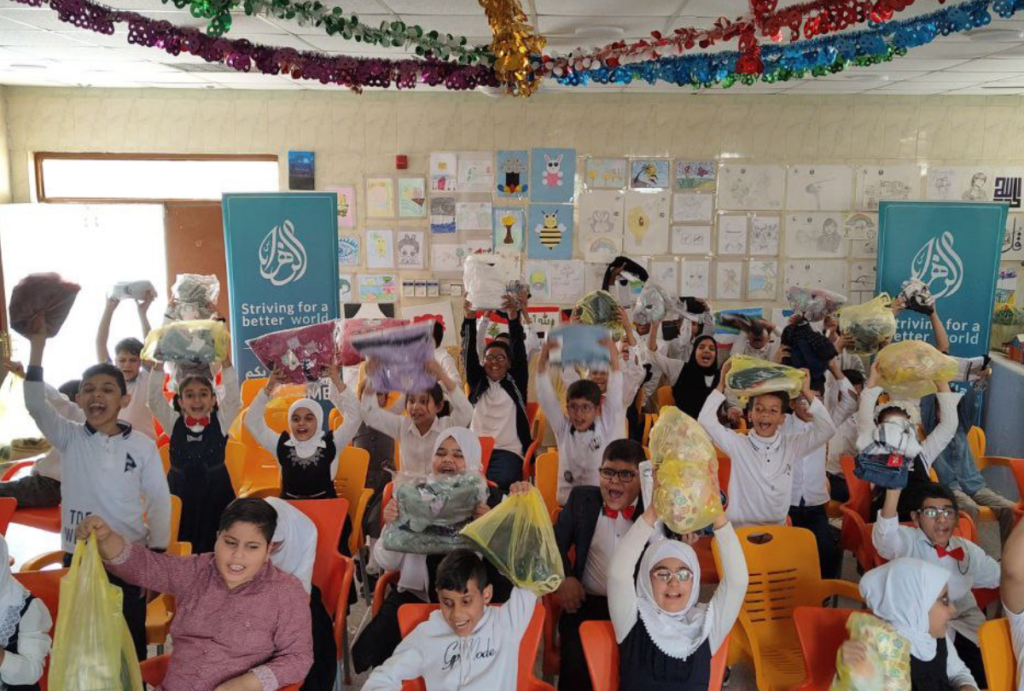
What’s Inside a Sponsored Classroom?
When we picture a classroom, we often think of desks, books, and a teacher leading a lesson. For a child living through…